The right side wins primarily on the strength of the JFK approach, where the Manhattan skyline and New York Harbor come into view — a far more distinctive sight than the flat farmland and hazy Pennsylvania hills seen on the left during cruise.
Flight Path
The route crosses the western basin of Lake Erie, then the rolling Allegheny Plateau of northern Pennsylvania and the Catskill foothills of southern New York before descending toward the New York City metro area.
Great circle distance and headings ›.jpeg?width=600)
.jpg?width=600)
Phase by phase
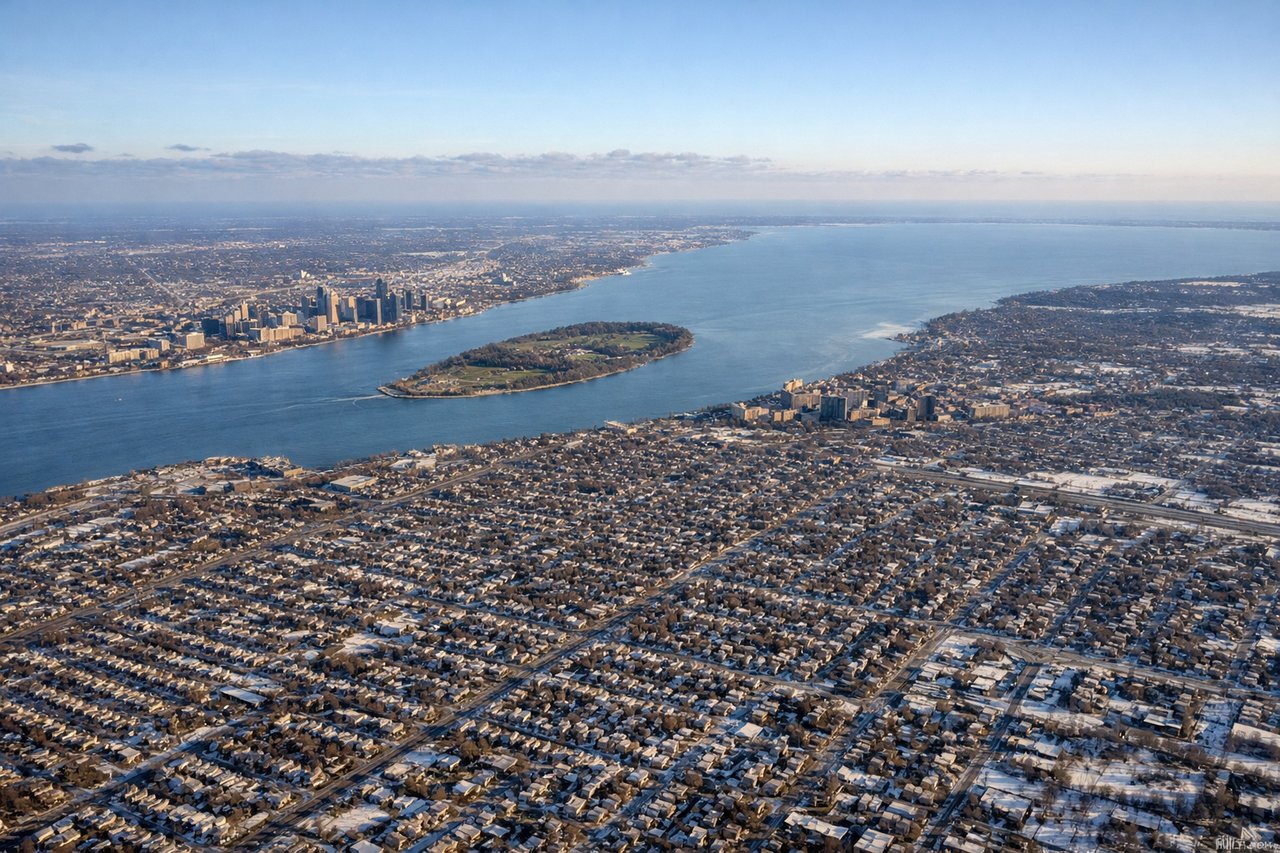
Takeoff from DTW
LEFTDeparting DTW on runway 22 with a left turn toward the east, the left side offers views of the Detroit River, the Downriver suburbs, and the western tip of Lake Erie coming into view as the aircraft climbs. The right side mostly shows flat suburban sprawl with no water features.
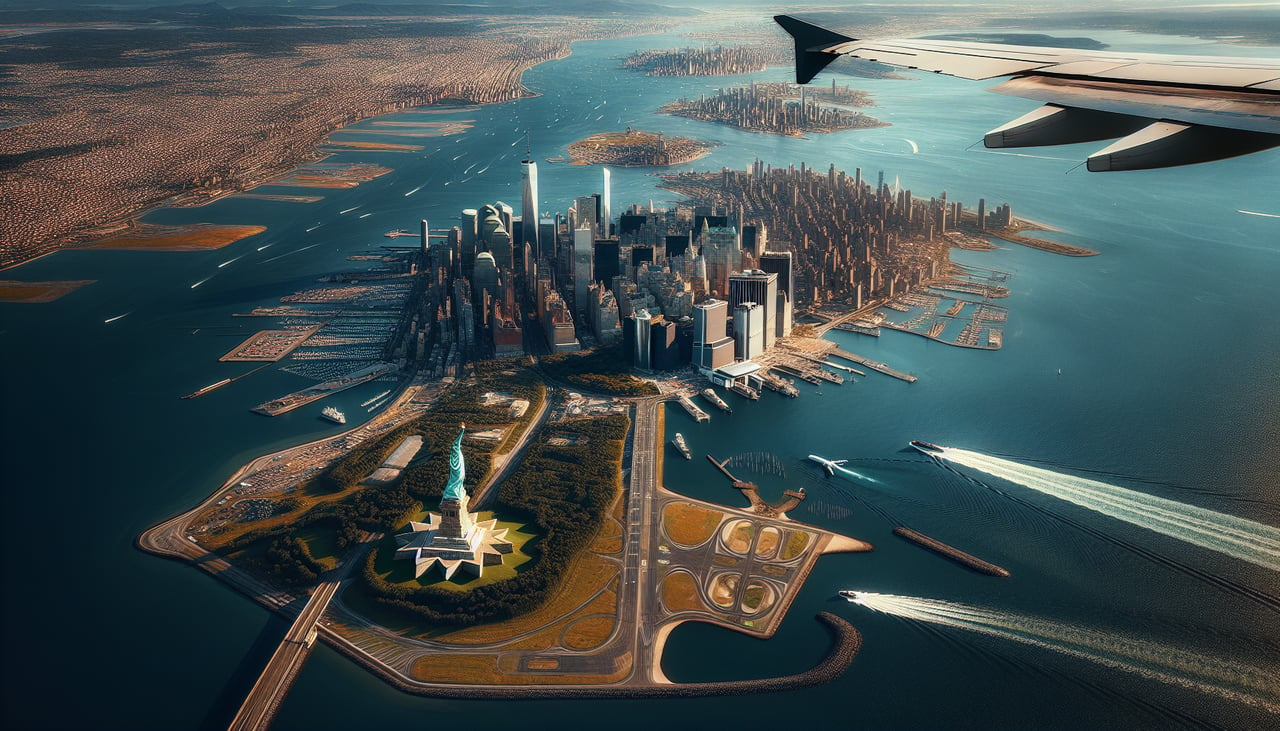
Landing at JFK
RIGHTOn final approach to JFK's runway 22L, the aircraft flies a southwest heading, putting Manhattan and the New York Harbor off to the right side. This gives passengers a classic skyline view along with Jamaica Bay and the Rockaway Peninsula just before touchdown.
Landmarks on this routeAll landmarks →
Will your flight be in sunlight?
See exactly which side of the plane gets sun and shade at your departure time.
About This Route
Which side of the plane should I sit on flying from Detroit Metro Wayne Co (DTW) to John F Kennedy International (JFK)?
Sit on the Right side of the plane for the best views on flights from Detroit to New York. The right side wins primarily on the strength of the JFK approach, where the Manhattan skyline and New York Harbor come into view — a far more distinctive sight than the flat farmland and hazy Pennsylvania hills seen on the left during cruise.
What can I see during takeoff from Detroit Metro Wayne Co in Detroit?
During takeoff from Detroit Metro Wayne Co (DTW), sit on the Left side for the best views. Departing DTW on runway 22 with a left turn toward the east, the left side offers views of the Detroit River, the Downriver suburbs, and the western tip of Lake Erie coming into view as the aircraft climbs. The right side mostly shows flat suburban sprawl with no water features. Notable sights include: Detroit River, Downriver Detroit suburbs (Wyandotte, Trenton), western Lake Erie shoreline, distant Toledo skyline.
What can I see when landing at John F Kennedy International in New York?
When landing at John F Kennedy International (JFK), sit on the Right side for the best views. On final approach to JFK's runway 22L, the aircraft flies a southwest heading, putting Manhattan and the New York Harbor off to the right side. This gives passengers a classic skyline view along with Jamaica Bay and the Rockaway Peninsula just before touchdown. Notable sights include: Manhattan skyline, Jamaica Bay, Rockaway Peninsula, Atlantic Ocean coastline.
How long is the flight from Detroit to New York?
The flight from Detroit Metro Wayne Co (DTW) to John F Kennedy International (JFK) takes 1h 34m.
What does the Detroit to New York flight path pass over?
The route crosses the western basin of Lake Erie, then the rolling Allegheny Plateau of northern Pennsylvania and the Catskill foothills of southern New York before descending toward the New York City metro area.