The left side wins on both ends: a Great Lakes and Detroit riverfront departure paired with a classic Dutch coastal and polder approach into Schiphol, while the right side sees mostly featureless mid-flight ocean and cloud cover over the North Atlantic.
Flight Path
The route crosses eastern Canada near Ontario and Quebec, then the North Atlantic Ocean south of Greenland and Iceland, offering little but open water and occasional cloud cover for several hours before reaching the European coast.
Great circle distance and headings ›


Phase by phase
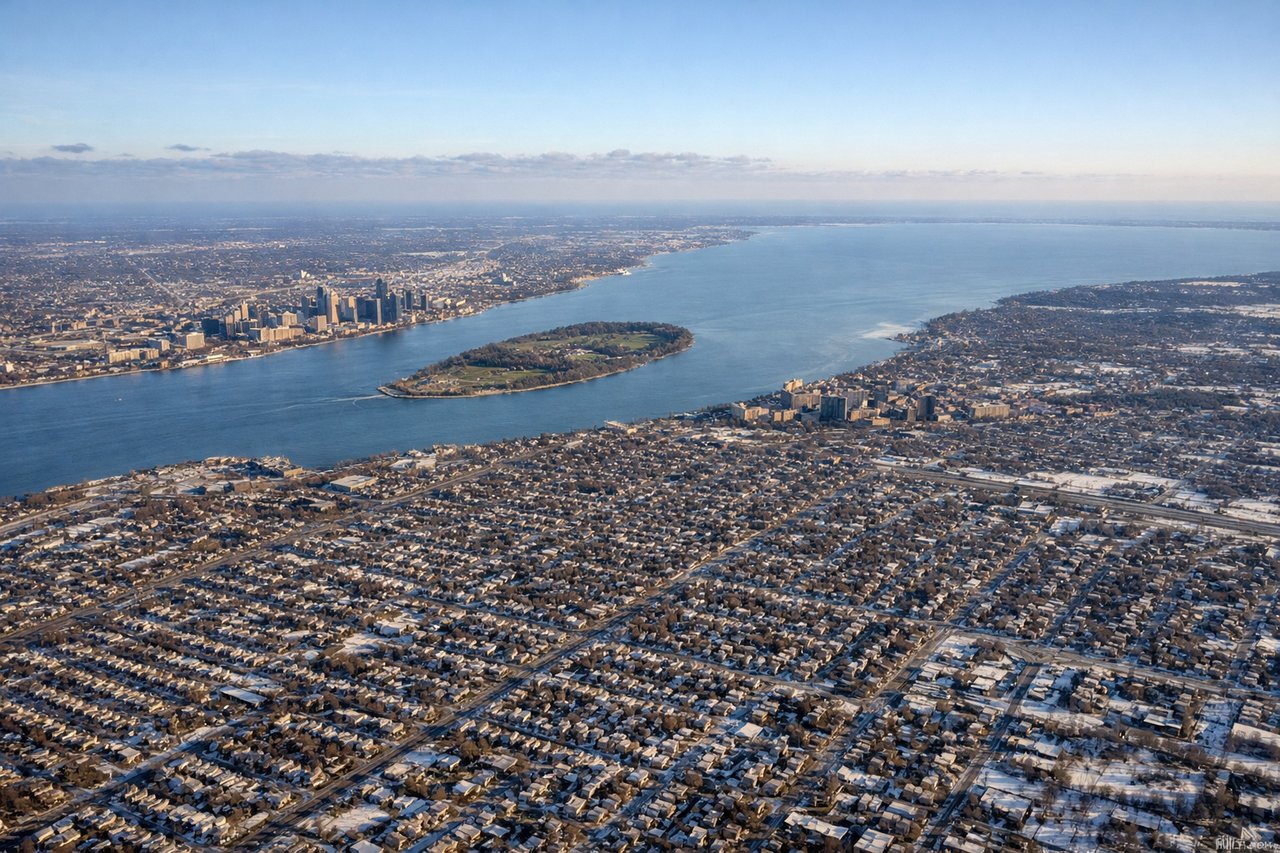
Takeoff from DTW
LEFTDeparting DTW heading northeast, the left side offers views over Lake St. Clair and the Detroit River before the route crosses into Ontario and toward Lake Erie or Lake Huron depending on routing. The Great Lakes shoreline and Detroit's downtown riverfront are visible shortly after takeoff.
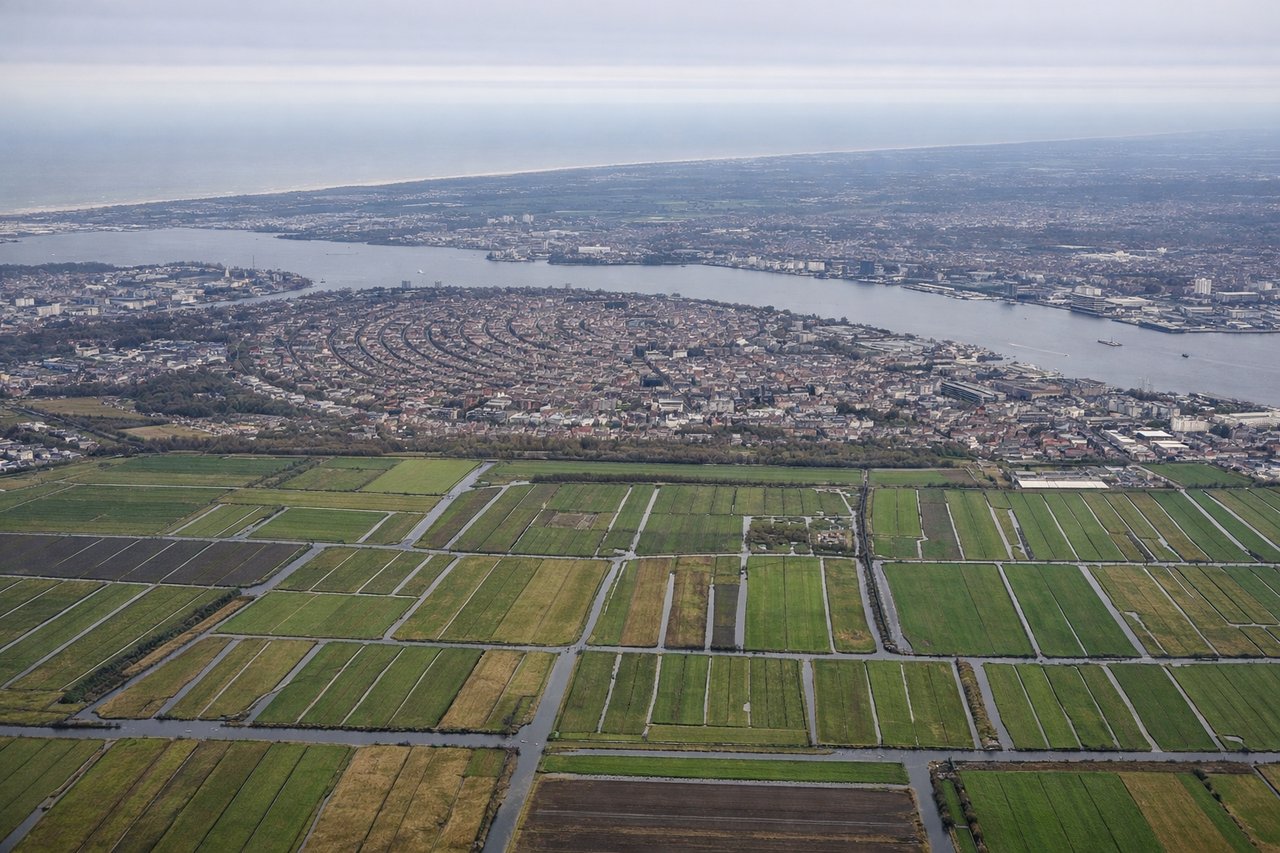
Landing at AMS
LEFTApproaching Schiphol from the west or southwest, the left side typically reveals the Dutch coastline, the North Sea, and the distinctive geometric patterns of polders and canals near Amsterdam. The final approach often passes over IJsselmeer or the dune-lined coast near Zandvoort.
Landmarks on this routeAll landmarks →
Will your flight be in sunlight?
See exactly which side of the plane gets sun and shade at your departure time.
About This Route
Which side of the plane should I sit on flying from Detroit Metro Wayne Co (DTW) to Schiphol (AMS)?
Sit on the Left side of the plane for the best views on flights from Detroit to Amsterdam. The left side wins on both ends: a Great Lakes and Detroit riverfront departure paired with a classic Dutch coastal and polder approach into Schiphol, while the right side sees mostly featureless mid-flight ocean and cloud cover over the North Atlantic.
What can I see during takeoff from Detroit Metro Wayne Co in Detroit?
During takeoff from Detroit Metro Wayne Co (DTW), sit on the Left side for the best views. Departing DTW heading northeast, the left side offers views over Lake St. Clair and the Detroit River before the route crosses into Ontario and toward Lake Erie or Lake Huron depending on routing. The Great Lakes shoreline and Detroit's downtown riverfront are visible shortly after takeoff. Notable sights include: Detroit River, Lake St. Clair, Downtown Detroit skyline, Windsor Ontario waterfront.
What can I see when landing at Schiphol in Amsterdam?
When landing at Schiphol (AMS), sit on the Left side for the best views. Approaching Schiphol from the west or southwest, the left side typically reveals the Dutch coastline, the North Sea, and the distinctive geometric patterns of polders and canals near Amsterdam. The final approach often passes over IJsselmeer or the dune-lined coast near Zandvoort. Notable sights include: North Sea coastline, Zandvoort dunes, polder farmland grid, IJsselmeer.
How long is the flight from Detroit to Amsterdam?
The flight from Detroit Metro Wayne Co (DTW) to Schiphol (AMS) takes 7h 55m.
What does the Detroit to Amsterdam flight path pass over?
The route crosses eastern Canada near Ontario and Quebec, then the North Atlantic Ocean south of Greenland and Iceland, offering little but open water and occasional cloud cover for several hours before reaching the European coast.