The right side delivers the most dramatic single moment of the flight — the sweeping view of Tokyo Bay and Yokohama on departure. The landing views on the left are solid but the Detroit approach over flat terrain is less spectacular. Right side wins overall for the Tokyo departure alone.
Flight Path
The route tracks northeast from Tokyo across the North Pacific on a great circle path, passing south of the Aleutian Islands chain (visible as a string of volcanic peaks on clear days from the left side at cruise altitude), crossing the Gulf of Alaska, then entering North America over southern Alaska or British Columbia. The Canadian Rockies may be visible in the distance depending on exact routing. The route then crosses the Great Plains and Great Lakes region before descending into Detroit.
Great circle distance and headings ›


Phase by phase
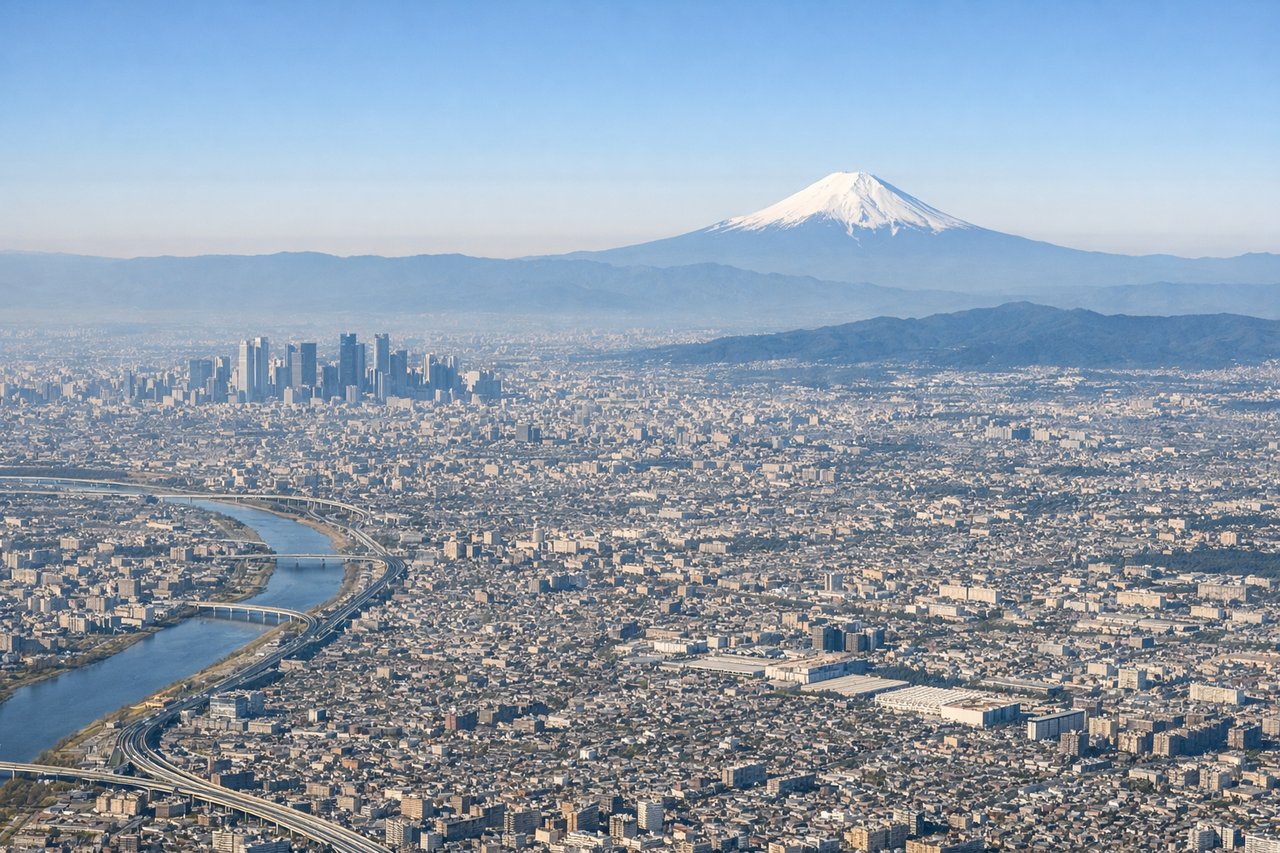
Takeoff from HND
RIGHTHND's dominant runway 34R/34L departure heads northwest, putting Tokyo Bay and the city sprawl on the right side. You get a clear view of the bay's geometry and the dense urban grid of central Tokyo before the aircraft turns northeast toward the Pacific.
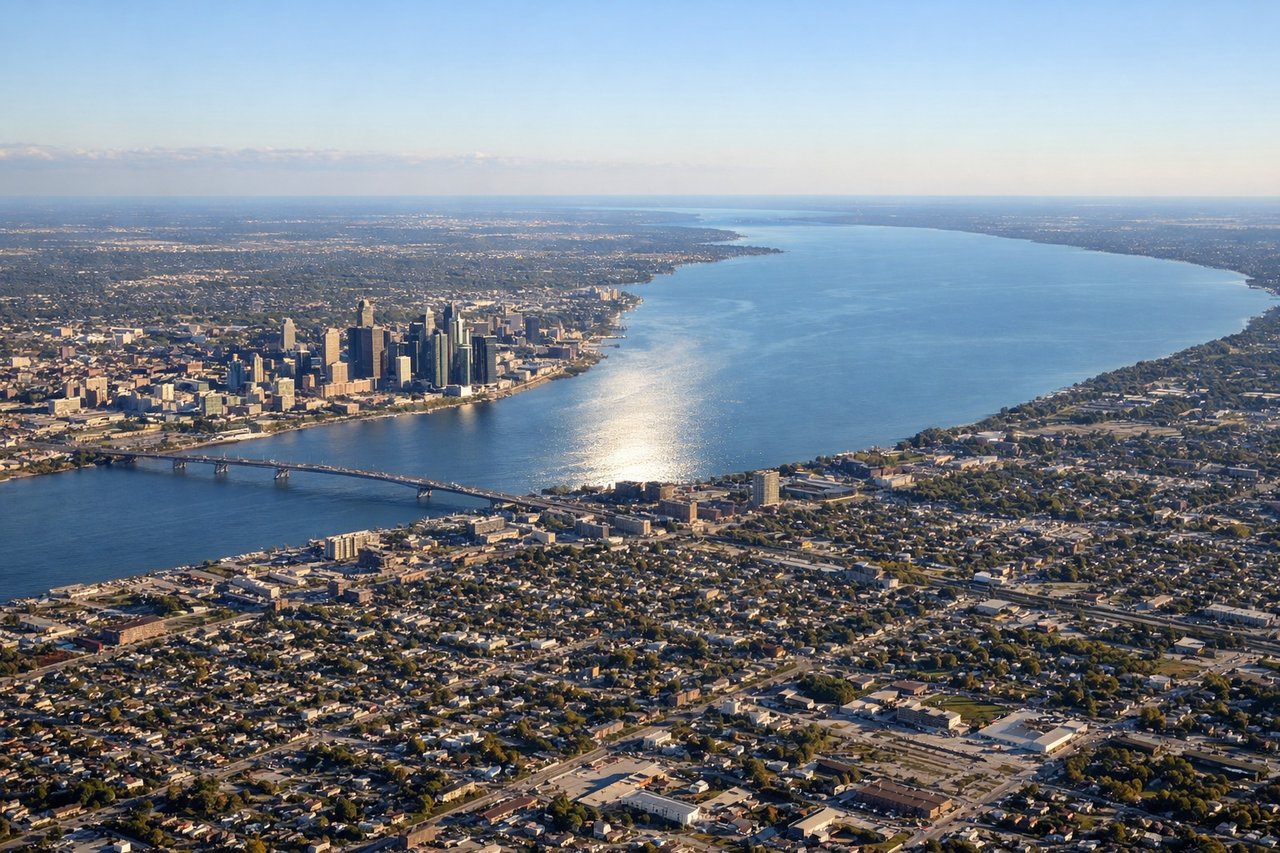
Landing at DTW
LEFTDTW's primary arrival on runway 21L/22L approaches from the northeast, meaning Lake St. Clair and the Detroit River are visible on the left side during descent. You also get a clear look at the Detroit skyline and Windsor, Ontario across the river.
Landmarks on this routeAll landmarks →
Will your flight be in sunlight?
See exactly which side of the plane gets sun and shade at your departure time.
About This Route
Which side of the plane should I sit on flying from Tokyo International (HND) to Detroit Metro Wayne Co (DTW)?
Sit on the Right side of the plane for the best views on flights from Tokyo to Detroit. The right side delivers the most dramatic single moment of the flight — the sweeping view of Tokyo Bay and Yokohama on departure. The landing views on the left are solid but the Detroit approach over flat terrain is less spectacular. Right side wins overall for the Tokyo departure alone.
What can I see during takeoff from Tokyo International in Tokyo?
During takeoff from Tokyo International (HND), sit on the Right side for the best views. HND's dominant runway 34R/34L departure heads northwest, putting Tokyo Bay and the city sprawl on the right side. You get a clear view of the bay's geometry and the dense urban grid of central Tokyo before the aircraft turns northeast toward the Pacific. Notable sights include: Tokyo Bay, Yokohama port and waterfront, the Boso Peninsula across the bay, central Tokyo urban grid.
What can I see when landing at Detroit Metro Wayne Co in Detroit?
When landing at Detroit Metro Wayne Co (DTW), sit on the Left side for the best views. DTW's primary arrival on runway 21L/22L approaches from the northeast, meaning Lake St. Clair and the Detroit River are visible on the left side during descent. You also get a clear look at the Detroit skyline and Windsor, Ontario across the river. Notable sights include: Lake St. Clair, Detroit River, Detroit downtown skyline, Windsor Ontario waterfront.
How long is the flight from Tokyo to Detroit?
The flight from Tokyo International (HND) to Detroit Metro Wayne Co (DTW) takes Approximately 12 to 13 hours.
What does the Tokyo to Detroit flight path pass over?
The route tracks northeast from Tokyo across the North Pacific on a great circle path, passing south of the Aleutian Islands chain (visible as a string of volcanic peaks on clear days from the left side at cruise altitude), crossing the Gulf of Alaska, then entering North America over southern Alaska or British Columbia. The Canadian Rockies may be visible in the distance depending on exact routing. The route then crosses the Great Plains and Great Lakes region before descending into Detroit.