The right side captures the only real urban and coastal interest on this flight — Detroit's river and skyline at departure, and Chiba's coastline with Tokyo Bay at arrival — while the long cruise over Canadian tundra and the North Pacific offers limited landmarks on either side.
Flight Path
Hudson Bay lowlands, Canadian Arctic tundra, Bering Sea, Kamchatka Peninsula's volcanic ridgeline, Sea of Okhotsk
Great circle distance and headings ›


Phase by phase
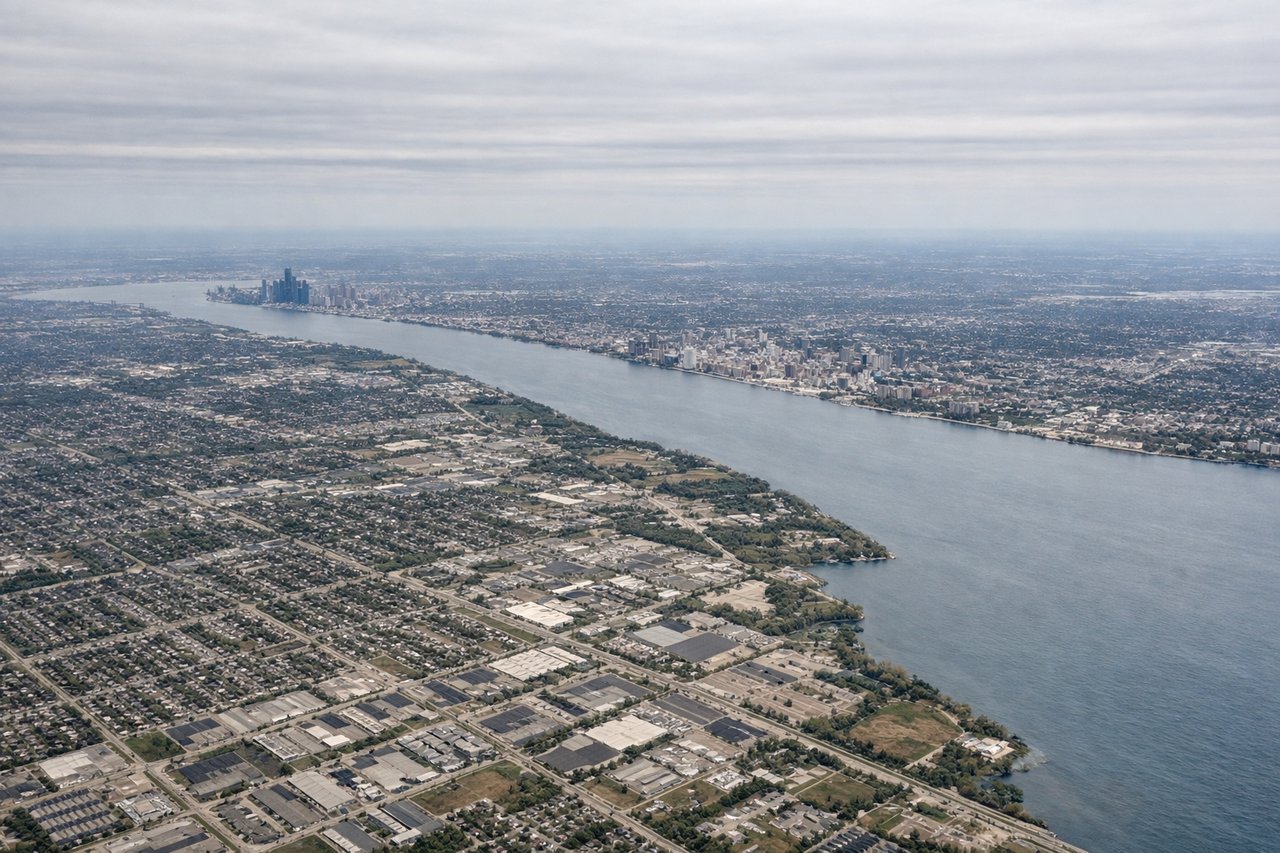
Takeoff from DTW
RIGHTDeparting DTW on the favored 22 headings, the initial turn toward the polar route swings the aircraft north, putting downtown Detroit's skyline, the Detroit River, and Lake St. Clair on the right side of the plane during climb-out. The left side mostly shows flat farmland and suburban grids southwest of the airport.
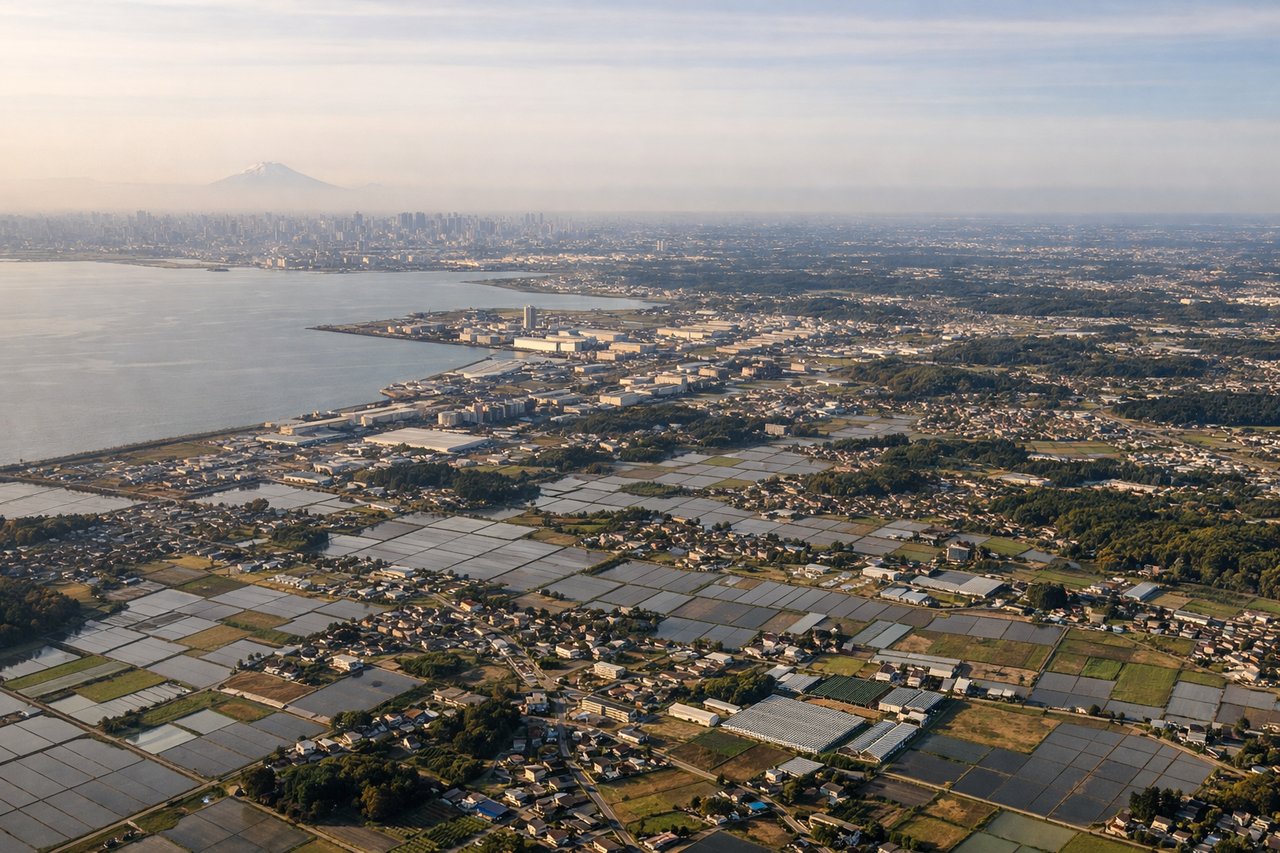
Landing at NRT
RIGHTArrivals into Narita from the northeast Pacific typically curve down over Chiba's Boso Peninsula before lining up on 16L/16R, keeping the coastline and Tokyo Bay approach visible on the right side. On very clear days Mount Fuji's peak can also be glimpsed far to the southwest from this side during the turn.
Landmarks on this routeAll landmarks →
Will your flight be in sunlight?
See exactly which side of the plane gets sun and shade at your departure time.
About This Route
Which side of the plane should I sit on flying from Detroit Metro Wayne Co (DTW) to New Tokyo International (NRT)?
Sit on the Right side of the plane for the best views on flights from Detroit to Tokyo. The right side captures the only real urban and coastal interest on this flight — Detroit's river and skyline at departure, and Chiba's coastline with Tokyo Bay at arrival — while the long cruise over Canadian tundra and the North Pacific offers limited landmarks on either side.
What can I see during takeoff from Detroit Metro Wayne Co in Detroit?
During takeoff from Detroit Metro Wayne Co (DTW), sit on the Right side for the best views. Departing DTW on the favored 22 headings, the initial turn toward the polar route swings the aircraft north, putting downtown Detroit's skyline, the Detroit River, and Lake St. Clair on the right side of the plane during climb-out. The left side mostly shows flat farmland and suburban grids southwest of the airport. Notable sights include: Downtown Detroit skyline, Detroit River and Belle Isle, Lake St. Clair, Windsor Ontario waterfront.
What can I see when landing at New Tokyo International in Tokyo?
When landing at New Tokyo International (NRT), sit on the Right side for the best views. Arrivals into Narita from the northeast Pacific typically curve down over Chiba's Boso Peninsula before lining up on 16L/16R, keeping the coastline and Tokyo Bay approach visible on the right side. On very clear days Mount Fuji's peak can also be glimpsed far to the southwest from this side during the turn. Notable sights include: Boso Peninsula coastline, Tokyo Bay, Chiba farmland mosaic, distant Mount Fuji silhouette.
How long is the flight from Detroit to Tokyo?
The flight from Detroit Metro Wayne Co (DTW) to New Tokyo International (NRT) takes 13h 05m.
What does the Detroit to Tokyo flight path pass over?
Hudson Bay lowlands, Canadian Arctic tundra, Bering Sea, Kamchatka Peninsula's volcanic ridgeline, Sea of Okhotsk