Right-side seats win overall because the takeoff views of the Hudson River and Manhattan skyline are more visually distinctive and memorable than the landing views. The Hudson River corridor during climb-out offers iconic urban scenery that outweighs the more typical agricultural and lake views on approach.
Flown EWR to GRR? Did we get it right?
Flight Path
Newark to Grand Rapids is 604 miles (971 km), a flight of about 2 hours 15 minutes.
The flight path crosses central Pennsylvania, passing over the Appalachian plateau and ridge-and-valley topography. You'll see the Pocono Mountains region in northeastern Pennsylvania during the first hour, followed by the transition to the flatter terrain of central Pennsylvania with its agricultural landscape. The flight then crosses into Ohio and Michigan, passing over the glaciated plains and scattered lakes characteristic of the Great Lakes region. Lake Erie may be visible to the south during the approach to Michigan.
Great circle distance and headings ›


Phase by phase
Takeoff from EWR
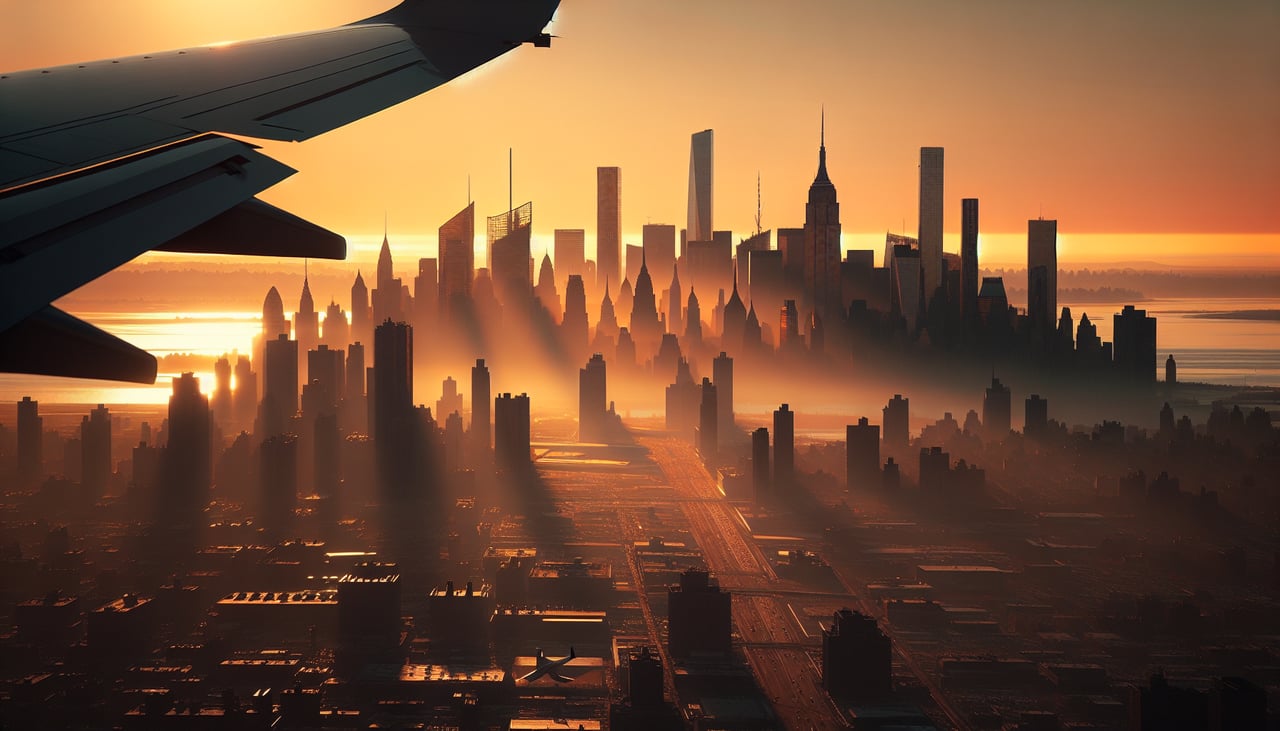
RIGHTRight-side seats offer views of the Hudson River, Manhattan skyline, and the New Jersey Palisades as you climb out westward from Newark. The Hudson River corridor provides continuous visual interest during the initial climb.
Landing at GRR
LEFTLeft-side seats provide views of Lake Michigan and the Grand Rapids urban area during approach. You'll see the shoreline and the city's position relative to the lake, plus the surrounding Michigan landscape.
Will your flight be in sunlight?
Pick a date and time in the Sun Map to watch the sun move across your whole flight.
About This Route
Which side of the plane should I sit on flying from Newark Liberty International (EWR) to Gerald R Ford International (GRR)?
Sit on the Right side of the plane for the best views on flights from Newark to Grand Rapids. Right-side seats win overall because the takeoff views of the Hudson River and Manhattan skyline are more visually distinctive and memorable than the landing views. The Hudson River corridor during climb-out offers iconic urban scenery that outweighs the more typical agricultural and lake views on approach.
What can I see during takeoff from Newark Liberty International in Newark?
During takeoff from Newark Liberty International (EWR), sit on the Right side for the best views. Right-side seats offer views of the Hudson River, Manhattan skyline, and the New Jersey Palisades as you climb out westward from Newark. The Hudson River corridor provides continuous visual interest during the initial climb. Notable sights include: Hudson River, Manhattan skyline (Empire State Building, One World Trade Center visible as distant points), New Jersey Palisades, Upper New York Bay.
What can I see when landing at Gerald R Ford International in Grand Rapids?
When landing at Gerald R Ford International (GRR), sit on the Left side for the best views. Left-side seats provide views of Lake Michigan and the Grand Rapids urban area during approach. You'll see the shoreline and the city's position relative to the lake, plus the surrounding Michigan landscape. Notable sights include: Lake Michigan (western shore), Grand Rapids city center, Grand River valley, surrounding Michigan farmland and forests.
How long is the flight from Newark to Grand Rapids?
The flight from Newark Liberty International (EWR) to Gerald R Ford International (GRR) takes about 2 hours 15 minutes. The shortest flight path between them is 604 miles (971 km); winds and air traffic control usually add a few percent.
What does the Newark to Grand Rapids flight path pass over?
The flight path crosses central Pennsylvania, passing over the Appalachian plateau and ridge-and-valley topography. You'll see the Pocono Mountains region in northeastern Pennsylvania during the first hour, followed by the transition to the flatter terrain of central Pennsylvania with its agricultural landscape. The flight then crosses into Ohio and Michigan, passing over the glaciated plains and scattered lakes characteristic of the Great Lakes region. Lake Erie may be visible to the south during the approach to Michigan.