The right side strings together the flight's three best moments: the Manhattan skyline at departure, the Canadian Arctic tundra and Kamchatka Peninsula's volcanic ridgeline during the long high-latitude cruise, and Mount Fuji on the descent into Haneda. The left side spends most of the flight facing either the empty Canadian interior behind the route or open ocean, with only a bay-side glimpse of Tokyo at the very end.
Flight Path
The great-circle route's highest latitude (around 70°N) crosses the Canadian Arctic Archipelago near Baffin/Victoria Island terrain before the path curves southwest across the Chukchi Sea and down the volcanic spine of Russia's Kamchatka Peninsula toward the Sea of Okhotsk and Japan.
Great circle distance and headings ›.jpg?width=600)
.jpeg?width=600)


Phase by phase
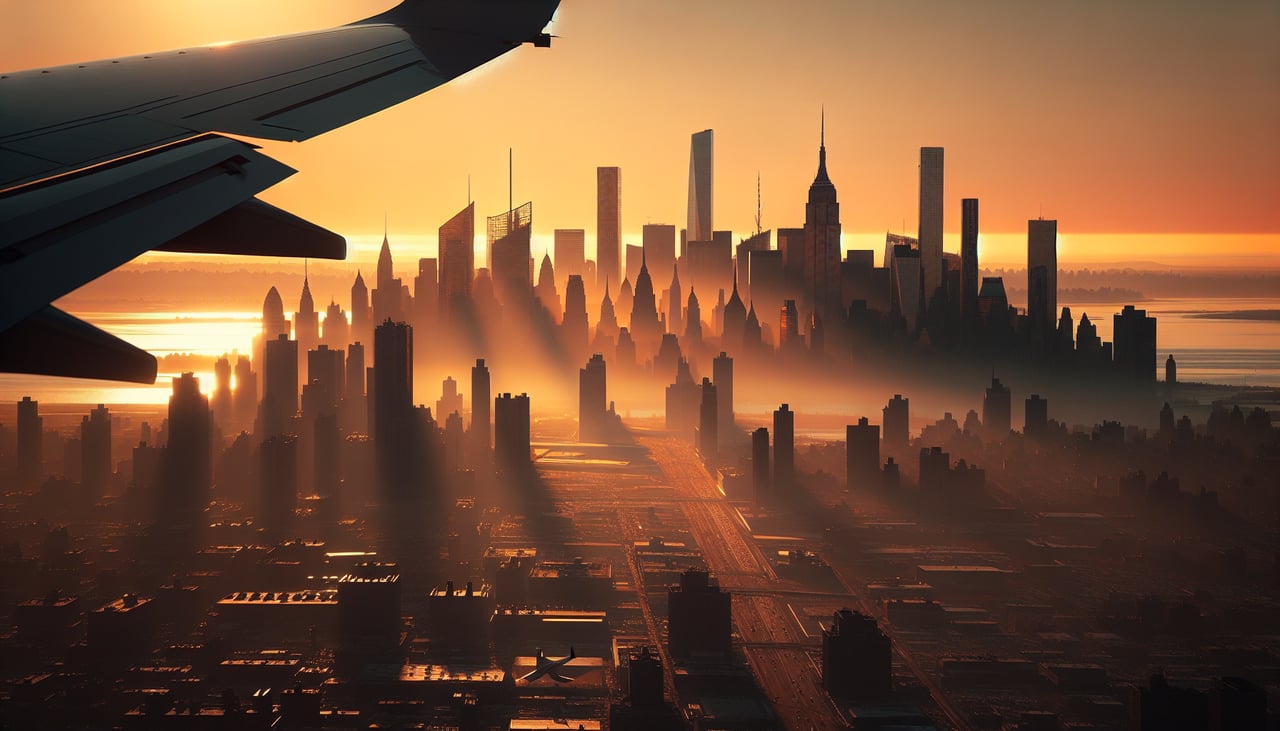
Takeoff from EWR
RIGHTDepartures off EWR's 22 runways typically bank north-northwest toward Canada, and during that turn the Manhattan skyline and lower Hudson River sit almost directly off the right side of the aircraft. Left-side passengers instead look back over the flatter New Jersey/Pennsylvania countryside with little to distinguish it.
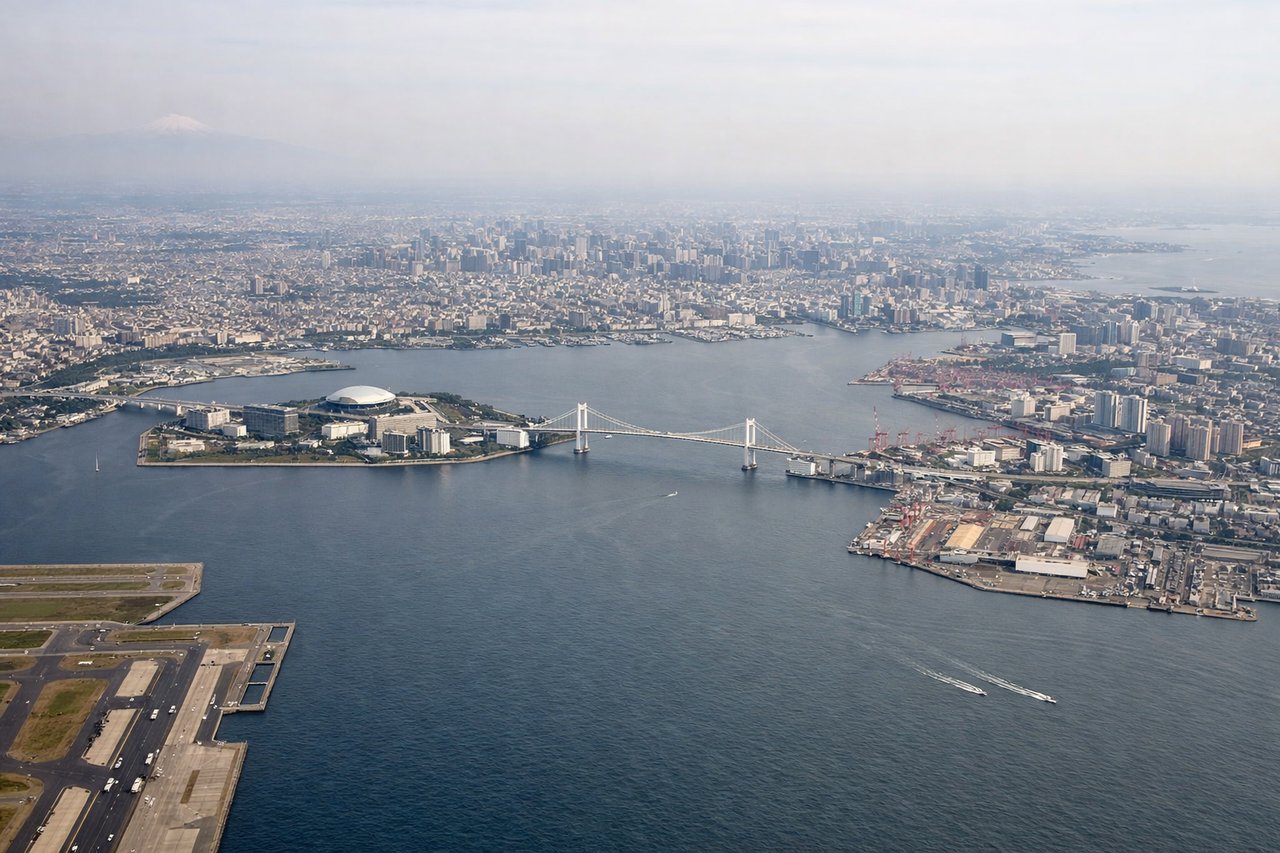
Landing at HND
RIGHTOn the typical north-wind approach into Haneda, the aircraft flies down over the Kanto Plain and turns onto a southwest final for runway 22/16, putting the snow-capped cone of Mount Fuji in view off the right side during descent. The left side mainly faces the featureless Boso Peninsula and open bay water.
Landmarks on this routeAll landmarks →
Will your flight be in sunlight?
See exactly which side of the plane gets sun and shade at your departure time.
About This Route
Which side of the plane should I sit on flying from Newark Liberty International (EWR) to Tokyo International (HND)?
Sit on the Right side of the plane for the best views on flights from Newark to Tokyo. The right side strings together the flight's three best moments: the Manhattan skyline at departure, the Canadian Arctic tundra and Kamchatka Peninsula's volcanic ridgeline during the long high-latitude cruise, and Mount Fuji on the descent into Haneda. The left side spends most of the flight facing either the empty Canadian interior behind the route or open ocean, with only a bay-side glimpse of Tokyo at the very end.
What can I see during takeoff from Newark Liberty International in Newark?
During takeoff from Newark Liberty International (EWR), sit on the Right side for the best views. Departures off EWR's 22 runways typically bank north-northwest toward Canada, and during that turn the Manhattan skyline and lower Hudson River sit almost directly off the right side of the aircraft. Left-side passengers instead look back over the flatter New Jersey/Pennsylvania countryside with little to distinguish it. Notable sights include: Manhattan skyline, Hudson River, Upper New York Bay/Statue of Liberty, Jersey City waterfront.
What can I see when landing at Tokyo International in Tokyo?
When landing at Tokyo International (HND), sit on the Right side for the best views. On the typical north-wind approach into Haneda, the aircraft flies down over the Kanto Plain and turns onto a southwest final for runway 22/16, putting the snow-capped cone of Mount Fuji in view off the right side during descent. The left side mainly faces the featureless Boso Peninsula and open bay water. Notable sights include: Mount Fuji, Kanto Plain, Tama hills, Tokyo Bay edge.
How long is the flight from Newark to Tokyo?
The flight from Newark Liberty International (EWR) to Tokyo International (HND) takes 14h 20m.
What does the Newark to Tokyo flight path pass over?
The great-circle route's highest latitude (around 70°N) crosses the Canadian Arctic Archipelago near Baffin/Victoria Island terrain before the path curves southwest across the Chukchi Sea and down the volcanic spine of Russia's Kamchatka Peninsula toward the Sea of Okhotsk and Japan.