Newark to Paris is 3,639 miles (5,856 km), a flight of about 7 hours 45 minutes.
Left side wins at both ends of the flight. Takeoff delivers Manhattan and New York Harbor; landing delivers the Seine valley and central Paris. Over the Atlantic the views are symmetric, but the bookend city views make left the clear choice for the whole journey.
Flight Path
The flight tracks northeast from New York, crossing the Canadian Maritime provinces (Nova Scotia, Newfoundland coastline visible in clear conditions), then the North Atlantic. The southern tip of Greenland may be visible far to the north in good visibility. The flight crosses Ireland's west coast — the Connemara coastline and Galway Bay are recognizable from altitude — then tracks across southern England or northern France, crossing the English Channel before descending into the Paris basin over the Seine valley.
Great circle distance and headings ›.jpeg?width=600)
.jpg?width=600)

.jpg?width=600)
Phase by phase
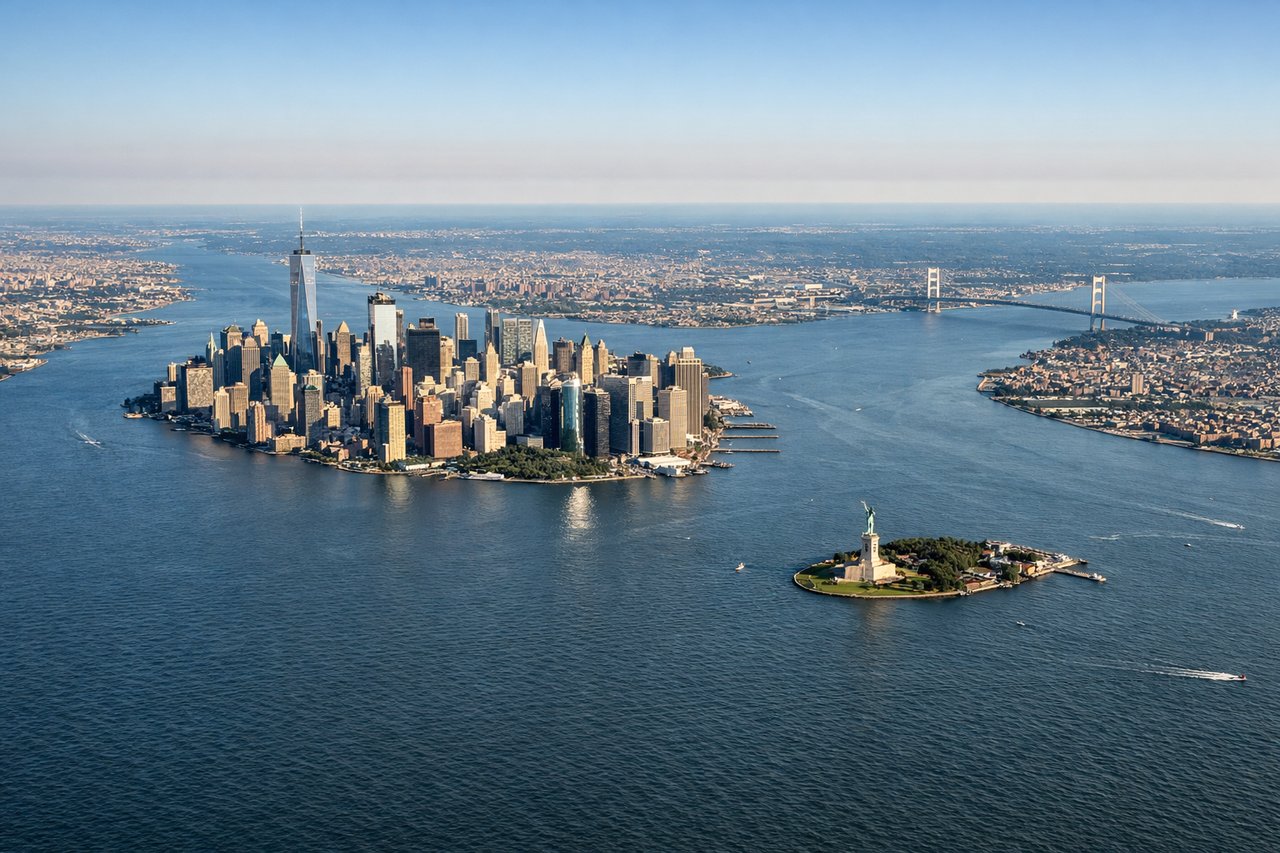
Takeoff from EWR
LEFTEWR typically departs northeast on runway 22L/22R or east on 29, then turns north over the New York metro area. Left side gives you Manhattan's skyline, the Hudson River, and the full sweep of the harbor. Right side faces New Jersey suburbs with little of interest.
Landing at ORY
LEFTOrly typically lands on runways 06 or 08 from the west, or runway 25/26 from the east. On a transatlantic arrival from the west, the approach over the Seine valley puts the left side facing north toward central Paris. Left seat passengers see the Seine bends, the Eiffel Tower area, and the dense Haussmann grid of central Paris during the descent.
Landmarks on this routeAll landmarks →
Will your flight be in sunlight?
Pick a date and time in the Sun Map to watch the sun move across your whole flight.
About This Route
Which side of the plane should I sit on flying from Newark Liberty International (EWR) to Orly (ORY)?
Sit on the Left side of the plane for the best views on flights from Newark to Paris. Left side wins at both ends of the flight. Takeoff delivers Manhattan and New York Harbor; landing delivers the Seine valley and central Paris. Over the Atlantic the views are symmetric, but the bookend city views make left the clear choice for the whole journey.
What can I see during takeoff from Newark Liberty International in Newark?
During takeoff from Newark Liberty International (EWR), sit on the Left side for the best views. EWR typically departs northeast on runway 22L/22R or east on 29, then turns north over the New York metro area. Left side gives you Manhattan's skyline, the Hudson River, and the full sweep of the harbor. Right side faces New Jersey suburbs with little of interest. Notable sights include: Manhattan skyline and Central Park, Statue of Liberty and Upper New York Bay, Verrazano-Narrows Bridge, Brooklyn and Queens waterfront.
What can I see when landing at Orly in Paris?
When landing at Orly (ORY), sit on the Left side for the best views. Orly typically lands on runways 06 or 08 from the west, or runway 25/26 from the east. On a transatlantic arrival from the west, the approach over the Seine valley puts the left side facing north toward central Paris. Left seat passengers see the Seine bends, the Eiffel Tower area, and the dense Haussmann grid of central Paris during the descent. Notable sights include: Seine River bends through central Paris, Eiffel Tower and Champ de Mars, Bois de Boulogne, dense Haussmann-era urban grid of central arrondissements.
How long is the flight from Newark to Paris?
The flight from Newark Liberty International (EWR) to Orly (ORY) takes about 7 hours 45 minutes. The shortest flight path between them is 3,639 miles (5,856 km); winds and air traffic control usually add a few percent.
What does the Newark to Paris flight path pass over?
The flight tracks northeast from New York, crossing the Canadian Maritime provinces (Nova Scotia, Newfoundland coastline visible in clear conditions), then the North Atlantic. The southern tip of Greenland may be visible far to the north in good visibility. The flight crosses Ireland's west coast — the Connemara coastline and Galway Bay are recognizable from altitude — then tracks across southern England or northern France, crossing the English Channel before descending into the Paris basin over the Seine valley.