The left side wins both the departure and arrival sequences: a rare close-up of the Manhattan skyline on takeoff and a dramatic Alps-and-lake view on the Zurich approach. The right side only offers flat New Jersey terrain on departure and unremarkable countryside north of the flight path on arrival, with both sides seeing the same featureless ocean during the long cruise phase.
Flight Path
After crossing New England and Nova Scotia, the route heads out over the open North Atlantic, passing south of Newfoundland before making landfall near southern Ireland; it then continues over southern England or the English Channel, across northeastern France, and into the Alpine foothills of Switzerland.
Great circle distance and headings ›.jpeg?width=600)
.jpg?width=600)
.jpg?width=600)
.jpg?width=600)


Phase by phase
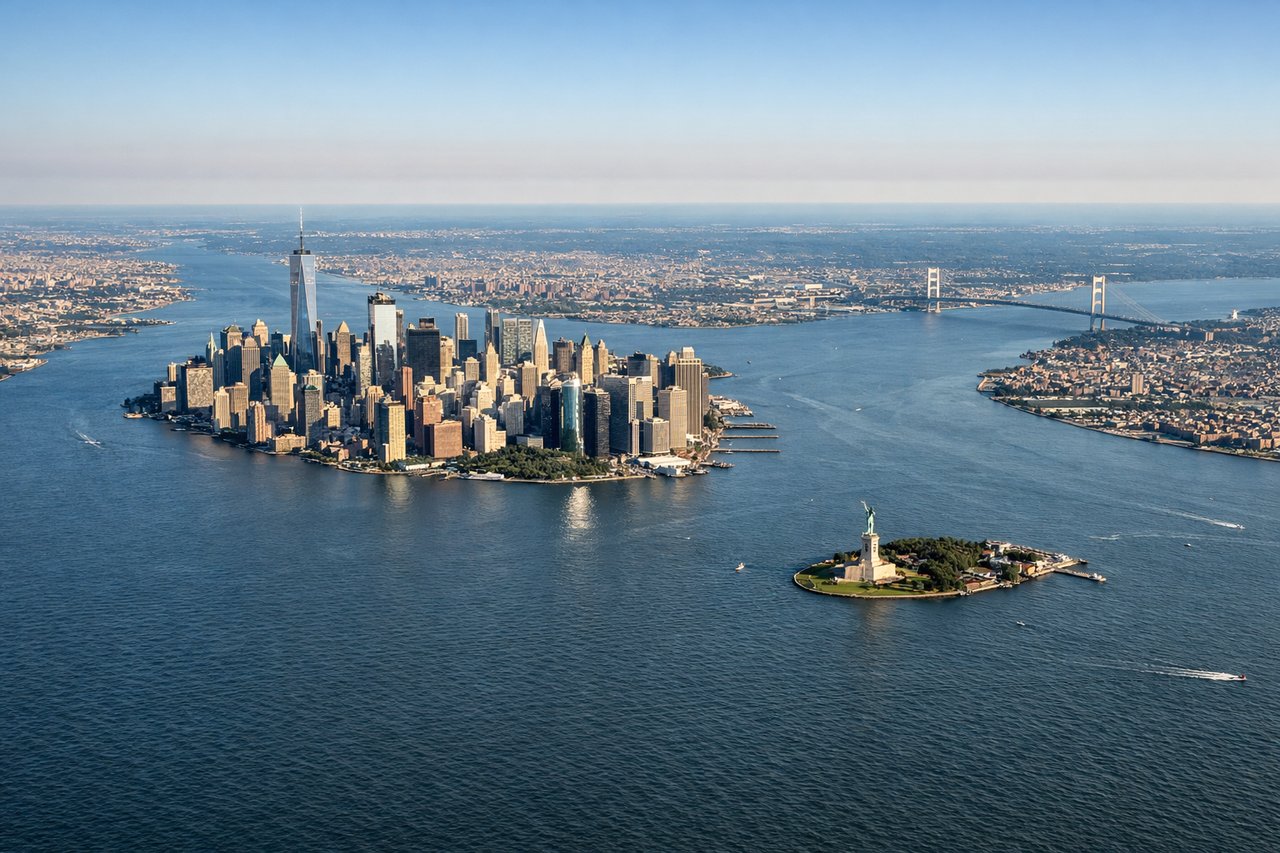
Takeoff from EWR
LEFTDeparting EWR on runway 22 and banking left to turn onto the eastbound track toward the Atlantic, passengers on the left get a sweeping view of the Manhattan skyline across the Hudson River before the coastline falls away. This is one of the best urban departure views in North America.
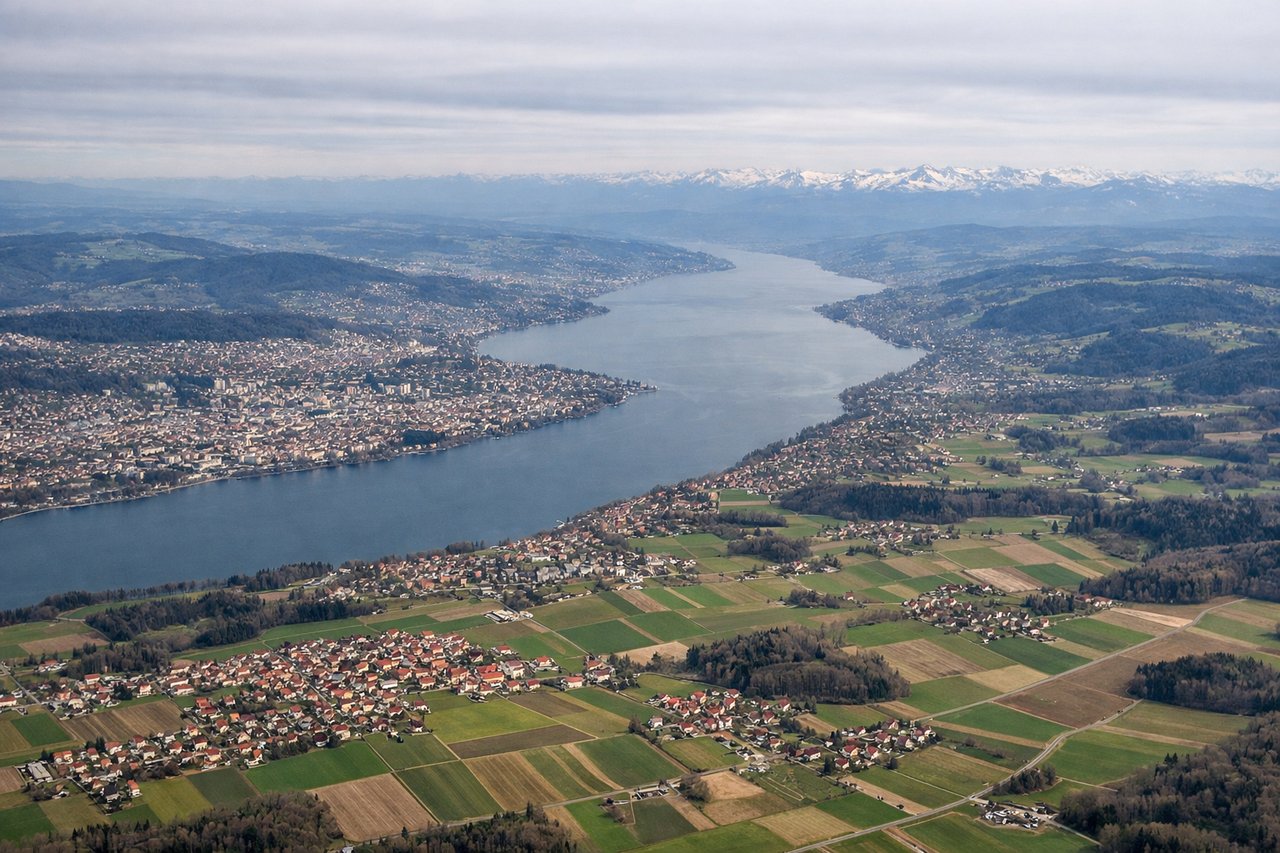
Landing at ZRH
LEFTOn the typical daytime approach to runway 28, the aircraft descends westbound over the Swiss plateau, putting the Alps and Lake Zurich on the left side of the cabin. It's a dramatic final descent with high peaks on the horizon and the lake and city spread out below.
Landmarks on this routeAll landmarks →
Will your flight be in sunlight?
See exactly which side of the plane gets sun and shade at your departure time.
About This Route
Which side of the plane should I sit on flying from Newark Liberty International (EWR) to Zurich (ZRH)?
Sit on the Left side of the plane for the best views on flights from Newark to Zurich. The left side wins both the departure and arrival sequences: a rare close-up of the Manhattan skyline on takeoff and a dramatic Alps-and-lake view on the Zurich approach. The right side only offers flat New Jersey terrain on departure and unremarkable countryside north of the flight path on arrival, with both sides seeing the same featureless ocean during the long cruise phase.
What can I see during takeoff from Newark Liberty International in Newark?
During takeoff from Newark Liberty International (EWR), sit on the Left side for the best views. Departing EWR on runway 22 and banking left to turn onto the eastbound track toward the Atlantic, passengers on the left get a sweeping view of the Manhattan skyline across the Hudson River before the coastline falls away. This is one of the best urban departure views in North America. Notable sights include: Manhattan skyline (Midtown and Lower Manhattan), Hudson River, Statue of Liberty, Upper New York Bay.
What can I see when landing at Zurich in Zurich?
When landing at Zurich (ZRH), sit on the Left side for the best views. On the typical daytime approach to runway 28, the aircraft descends westbound over the Swiss plateau, putting the Alps and Lake Zurich on the left side of the cabin. It's a dramatic final descent with high peaks on the horizon and the lake and city spread out below. Notable sights include: Lake Zurich, Swiss Alps (Glärnisch and Säntis massifs), Uetliberg hill, Zurich city.
How long is the flight from Newark to Zurich?
The flight from Newark Liberty International (EWR) to Zurich (ZRH) takes 7h 50m.
What does the Newark to Zurich flight path pass over?
After crossing New England and Nova Scotia, the route heads out over the open North Atlantic, passing south of Newfoundland before making landfall near southern Ireland; it then continues over southern England or the English Channel, across northeastern France, and into the Alpine foothills of Switzerland.