The right side wins narrowly because the Mediterranean coastline at departure is the most dramatic terrain feature either side offers on this route, while the cruise phase is dominated by open ocean for both sides and capped in scenic value. The left side's advantage — Charlotte's modest skyline — doesn't quite offset the flat, unremarkable countryside it shows during takeoff.
Flight Path
After crossing southern France near the Rhône valley and the Bay of Biscay, the flight heads out over the open North Atlantic, passing south of Ireland and later near the Grand Banks off Newfoundland before angling down past Nova Scotia and the New England coast toward the mid-Atlantic seaboard.
Great circle distance and headings ›


Phase by phase
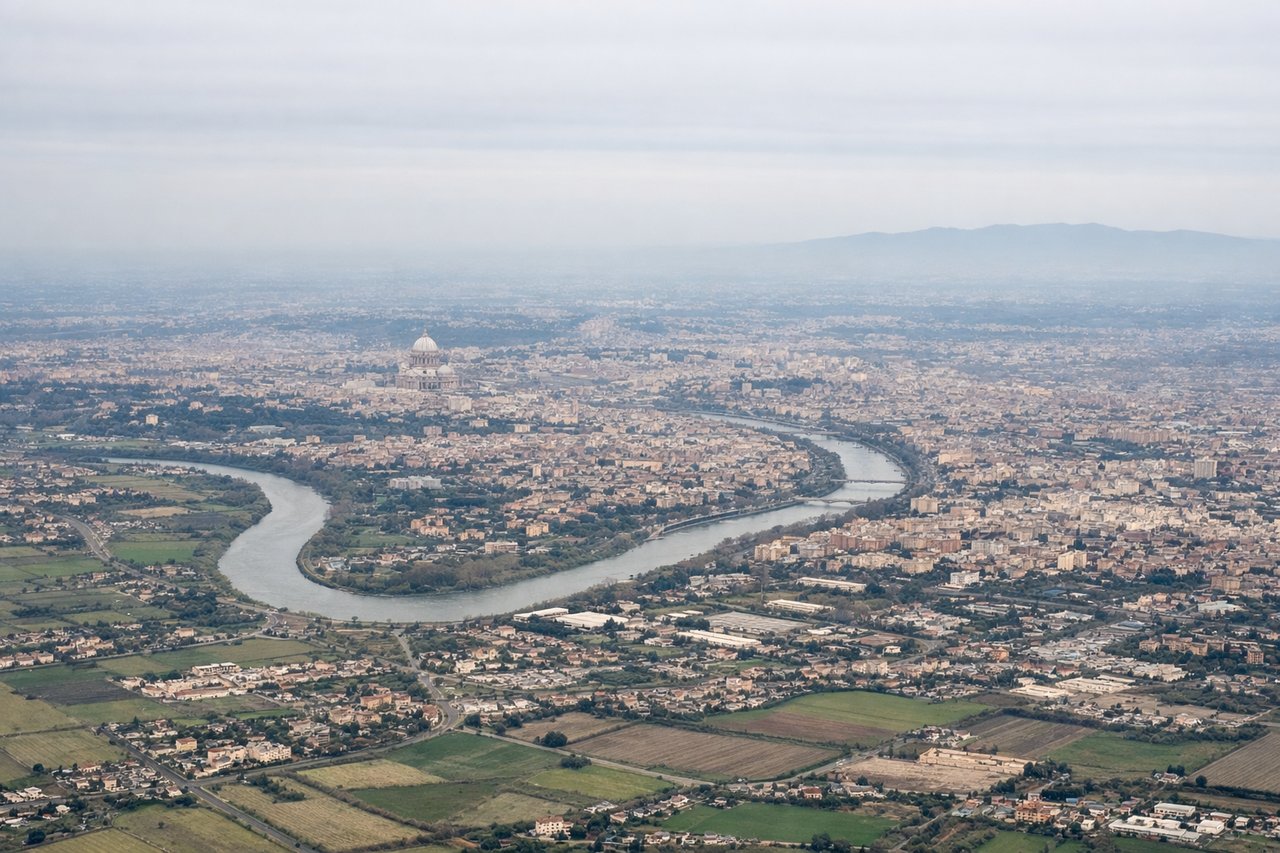
Takeoff from FCO
RIGHTFCO sits right on the Tyrrhenian coast, and departures typically bank right toward the sea before turning onto the transatlantic track, putting Ostia's beaches, the Tiber's mouth, and the Fiumicino harbor directly below the right-side windows. The left side only shows the flat, undistinguished Roman countryside (Campagna Romana).

Landing at CLT
LEFTCLT typically lands to the south, so arrivals from the north bank left before final approach, swinging the left side toward Charlotte's Uptown skyline and southeastern suburbs. The right side instead faces the quieter, flatter Piedmont countryside near Lake Wylie, which is far less distinctive.
Landmarks on this routeAll landmarks →
Will your flight be in sunlight?
See exactly which side of the plane gets sun and shade at your departure time.
About This Route
Which side of the plane should I sit on flying from Fiumicino (FCO) to Charlotte Douglas International (CLT)?
Sit on the Right side of the plane for the best views on flights from Rome to Charlotte. The right side wins narrowly because the Mediterranean coastline at departure is the most dramatic terrain feature either side offers on this route, while the cruise phase is dominated by open ocean for both sides and capped in scenic value. The left side's advantage — Charlotte's modest skyline — doesn't quite offset the flat, unremarkable countryside it shows during takeoff.
What can I see during takeoff from Fiumicino in Rome?
During takeoff from Fiumicino (FCO), sit on the Right side for the best views. FCO sits right on the Tyrrhenian coast, and departures typically bank right toward the sea before turning onto the transatlantic track, putting Ostia's beaches, the Tiber's mouth, and the Fiumicino harbor directly below the right-side windows. The left side only shows the flat, undistinguished Roman countryside (Campagna Romana). Notable sights include: Tyrrhenian Sea coastline, Tiber River mouth, Lido di Ostia beach, Fiumicino harbor.
What can I see when landing at Charlotte Douglas International in Charlotte?
When landing at Charlotte Douglas International (CLT), sit on the Left side for the best views. CLT typically lands to the south, so arrivals from the north bank left before final approach, swinging the left side toward Charlotte's Uptown skyline and southeastern suburbs. The right side instead faces the quieter, flatter Piedmont countryside near Lake Wylie, which is far less distinctive. Notable sights include: Charlotte Uptown skyline, Bank of America Corporate Center, South Charlotte suburbs, rolling Piedmont terrain.
How long is the flight from Rome to Charlotte?
The flight from Fiumicino (FCO) to Charlotte Douglas International (CLT) takes 10h 15m.
What does the Rome to Charlotte flight path pass over?
After crossing southern France near the Rhône valley and the Bay of Biscay, the flight heads out over the open North Atlantic, passing south of Ireland and later near the Grand Banks off Newfoundland before angling down past Nova Scotia and the New England coast toward the mid-Atlantic seaboard.