While takeoff offers coastal views, the landing approach into Nice provides the more dramatic and memorable scenery—the Mediterranean coastline meeting the Alps is geographically spectacular and far more distinctive than the flat Florida coast. Left-side seats capture this signature feature.
Flight Path
The flight crosses the Atlantic Ocean for approximately 3,500 nautical miles. Notable features include the Grand Banks off Newfoundland (if visible during northern routing), the Mid-Atlantic Ridge area, the Irish and British coastlines, the English Channel, and the Alps as you approach continental Europe. The actual routing typically follows a great-circle path that may pass over or near Iceland, the North Sea, or the Bay of Biscay depending on weather and air traffic control routing.
Great circle distance and headings ›Phase by phase
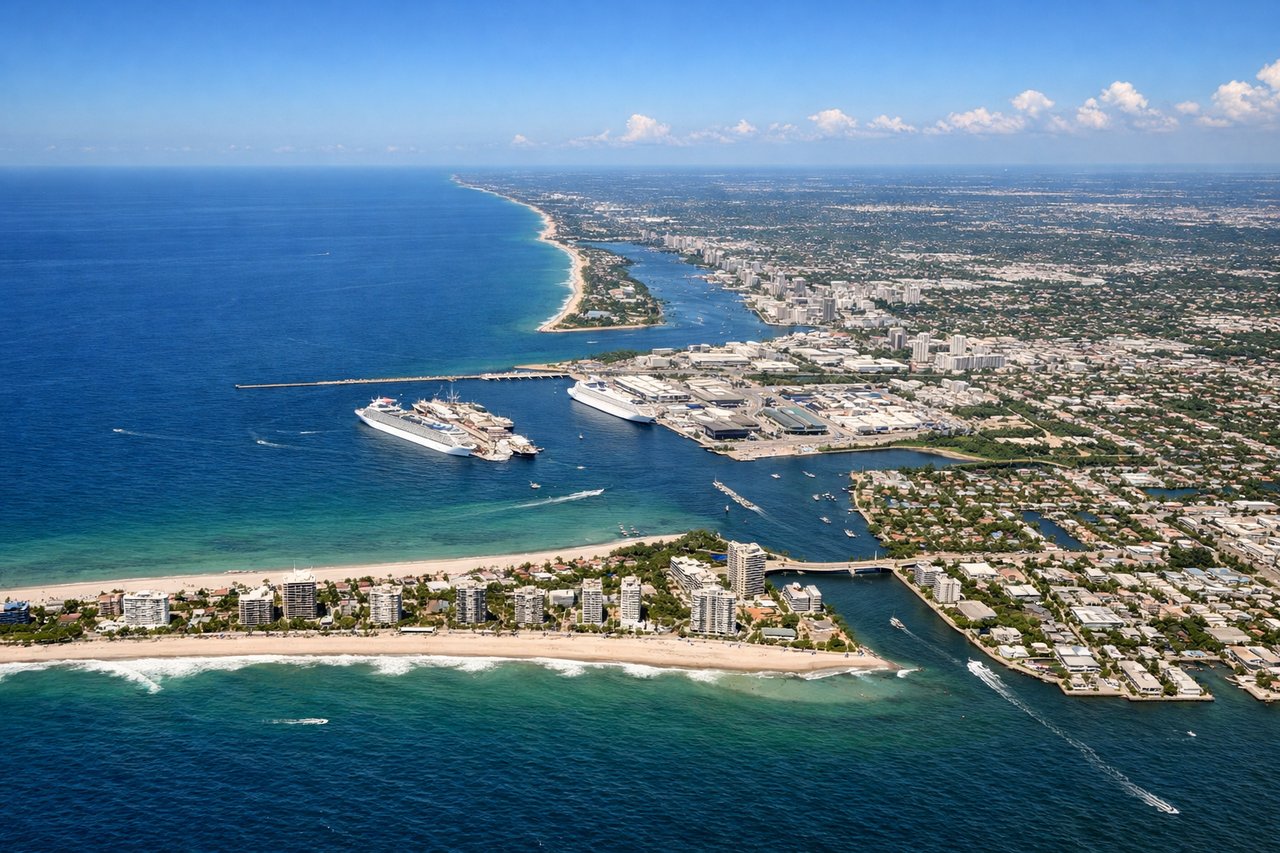
Takeoff from FLL
RIGHTRight-side seats offer views of the Atlantic coastline and the barrier islands of southeastern Florida as the aircraft climbs northeastward. You'll see the contrast between the developed coastal strip and the open ocean, which is visually striking during the initial climb.
Landing at NCE
LEFTLeft-side seats provide excellent views of the French Riviera coastline and the Maritime Alps as you descend toward Nice. The dramatic transition from Mediterranean Sea to mountainous terrain is one of the most visually distinctive approaches in Europe.
Landmarks on this routeAll landmarks →
Will your flight be in sunlight?
See exactly which side of the plane gets sun and shade at your departure time.
About This Route
Which side of the plane should I sit on flying from Fort Lauderdale Hollywood International (FLL) to Cote D Azur (NCE)?
Sit on the Left side of the plane for the best views on flights from Fort Lauderdale to Nice. While takeoff offers coastal views, the landing approach into Nice provides the more dramatic and memorable scenery—the Mediterranean coastline meeting the Alps is geographically spectacular and far more distinctive than the flat Florida coast. Left-side seats capture this signature feature.
What can I see during takeoff from Fort Lauderdale Hollywood International in Fort Lauderdale?
During takeoff from Fort Lauderdale Hollywood International (FLL), sit on the Right side for the best views. Right-side seats offer views of the Atlantic coastline and the barrier islands of southeastern Florida as the aircraft climbs northeastward. You'll see the contrast between the developed coastal strip and the open ocean, which is visually striking during the initial climb. Notable sights include: Atlantic Ocean, Fort Lauderdale Beach and coastal development, Bahama Banks (distant turquoise waters to the east), Port Everglades shipping channel.
What can I see when landing at Cote D Azur in Nice?
When landing at Cote D Azur (NCE), sit on the Left side for the best views. Left-side seats provide excellent views of the French Riviera coastline and the Maritime Alps as you descend toward Nice. The dramatic transition from Mediterranean Sea to mountainous terrain is one of the most visually distinctive approaches in Europe. Notable sights include: Mediterranean Sea, Maritime Alps (Alpes-Maritimes), Côte d'Azur coastline with Antibes and Cannes visible, Esterel Massif.
How long is the flight from Fort Lauderdale to Nice?
The flight from Fort Lauderdale Hollywood International (FLL) to Cote D Azur (NCE) takes 9h 15m.
What does the Fort Lauderdale to Nice flight path pass over?
The flight crosses the Atlantic Ocean for approximately 3,500 nautical miles. Notable features include the Grand Banks off Newfoundland (if visible during northern routing), the Mid-Atlantic Ridge area, the Irish and British coastlines, the English Channel, and the Alps as you approach continental Europe. The actual routing typically follows a great-circle path that may pass over or near Iceland, the North Sea, or the Bay of Biscay depending on weather and air traffic control routing.