While the takeoff offers excellent Alpine scenery, the landing provides more visually distinctive and varied features—the Atlantic coastline, barrier islands, and the dramatic contrast between ocean and urban development make the approach more rewarding for window-seat viewing.
Flight Path
The flight crosses the Atlantic Ocean for approximately 7 hours. Notable features include the Iberian Peninsula and Portuguese coast (visible during initial westbound climb), the Azores archipelago (far south of typical routing), and the Mid-Atlantic ridge system (underwater, not visible). As the aircraft approaches North America, the Bahamas and Caribbean islands appear on the southern horizon before the Florida peninsula becomes visible.
Great circle distance and headings ›

Phase by phase
Takeoff from NCE
LEFTLeft side offers views of the Maritime Alps and the Promenade des Anglais coastline as the aircraft climbs northwest from Nice. The Mediterranean Sea stretches to the south, and the pre-Alps ridge is visible inland to the northwest.
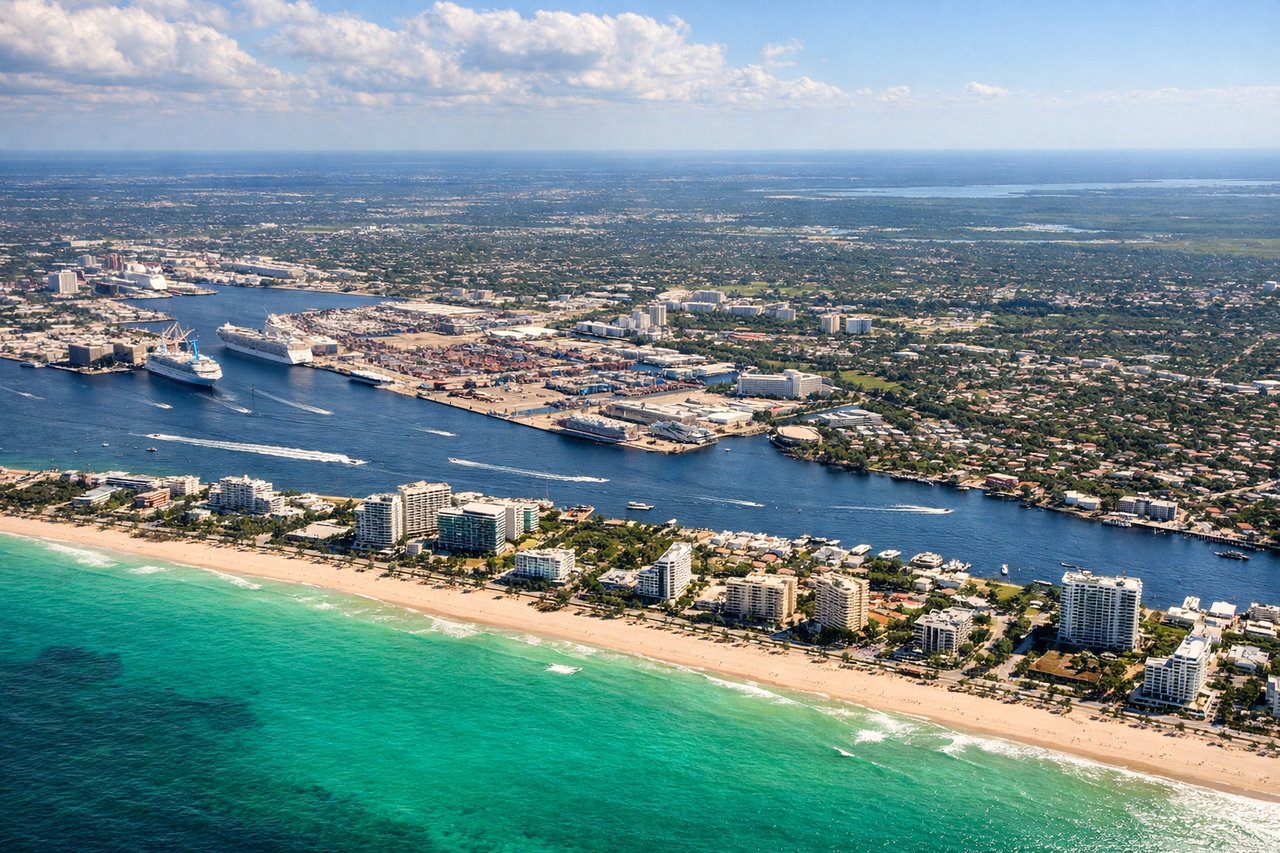
Landing at FLL
RIGHTRight side provides views of the Florida coastline, the Atlantic Ocean, and the approach into Fort Lauderdale from the east. Passengers see the barrier islands, the Intracoastal Waterway, and the urban development of the Miami-Fort Lauderdale metropolitan area.
Landmarks on this routeAll landmarks →
Will your flight be in sunlight?
See exactly which side of the plane gets sun and shade at your departure time.
About This Route
Which side of the plane should I sit on flying from Cote D Azur (NCE) to Fort Lauderdale Hollywood International (FLL)?
Sit on the Right side of the plane for the best views on flights from Nice to Fort Lauderdale. While the takeoff offers excellent Alpine scenery, the landing provides more visually distinctive and varied features—the Atlantic coastline, barrier islands, and the dramatic contrast between ocean and urban development make the approach more rewarding for window-seat viewing.
What can I see during takeoff from Cote D Azur in Nice?
During takeoff from Cote D Azur (NCE), sit on the Left side for the best views. Left side offers views of the Maritime Alps and the Promenade des Anglais coastline as the aircraft climbs northwest from Nice. The Mediterranean Sea stretches to the south, and the pre-Alps ridge is visible inland to the northwest. Notable sights include: Maritime Alps (northwest), Mediterranean coastline (south), Promenade des Anglais and Nice waterfront (immediate south), Esterel Massif (west).
What can I see when landing at Fort Lauderdale Hollywood International in Fort Lauderdale?
When landing at Fort Lauderdale Hollywood International (FLL), sit on the Right side for the best views. Right side provides views of the Florida coastline, the Atlantic Ocean, and the approach into Fort Lauderdale from the east. Passengers see the barrier islands, the Intracoastal Waterway, and the urban development of the Miami-Fort Lauderdale metropolitan area. Notable sights include: Atlantic Ocean (east), barrier islands and beaches (right), Intracoastal Waterway (center), Fort Lauderdale and Miami urban sprawl (west).
How long is the flight from Nice to Fort Lauderdale?
The flight from Cote D Azur (NCE) to Fort Lauderdale Hollywood International (FLL) takes 9h 15m.
What does the Nice to Fort Lauderdale flight path pass over?
The flight crosses the Atlantic Ocean for approximately 7 hours. Notable features include the Iberian Peninsula and Portuguese coast (visible during initial westbound climb), the Azores archipelago (far south of typical routing), and the Mid-Atlantic ridge system (underwater, not visible). As the aircraft approaches North America, the Bahamas and Caribbean islands appear on the southern horizon before the Florida peninsula becomes visible.