The left side wins overall for the departure experience over Frankfurt's skyline and the Rhine valley, which is the most visually distinctive part of this route. Mid-Atlantic and eastern US approaches are comparably modest on both sides, so the Frankfurt departure view tips the balance.
Flight Path
The flight tracks northwest from Frankfurt, crossing the Netherlands coast near Amsterdam, then heads west-southwest over the North Atlantic. The southern tip of Greenland may be visible on the left side at cruise altitude in clear conditions. The route then crosses Newfoundland and Nova Scotia, where the Canadian Maritime coastline and the Gulf of St. Lawrence are visible, before tracking down the US East Coast over New England and the Mid-Atlantic states into North Carolina.
Great circle distance and headings ›
.jpeg?width=600)

Phase by phase
Takeoff from FRA
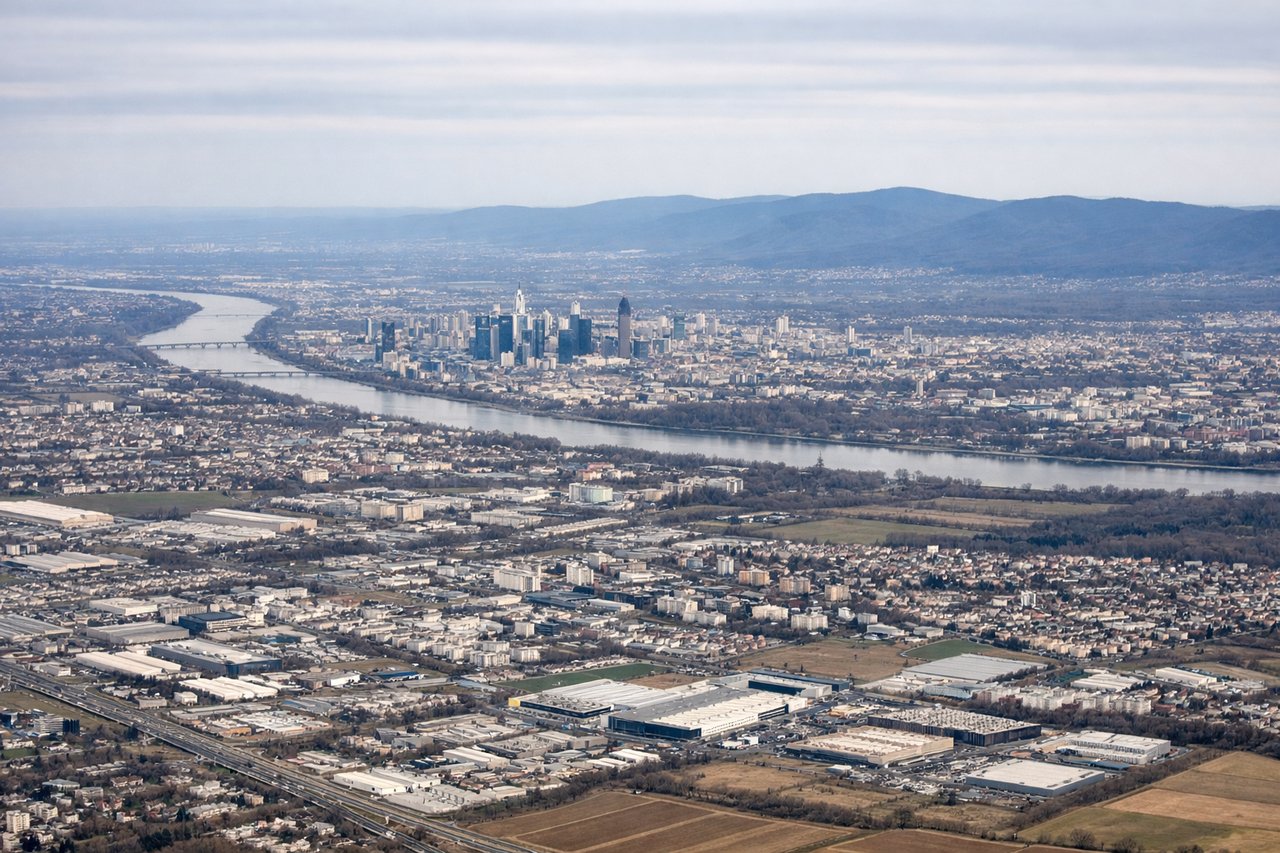
LEFTFrankfurt departures on runway 07R/25L or 18 typically swing northwest then west over the city. The left side gives you a clear view of Frankfurt's skyline — the Bankenviertel skyscrapers are unmistakable — and then the Rhine-Main confluence as you climb out heading westbound toward the Atlantic.
Landing at RDU
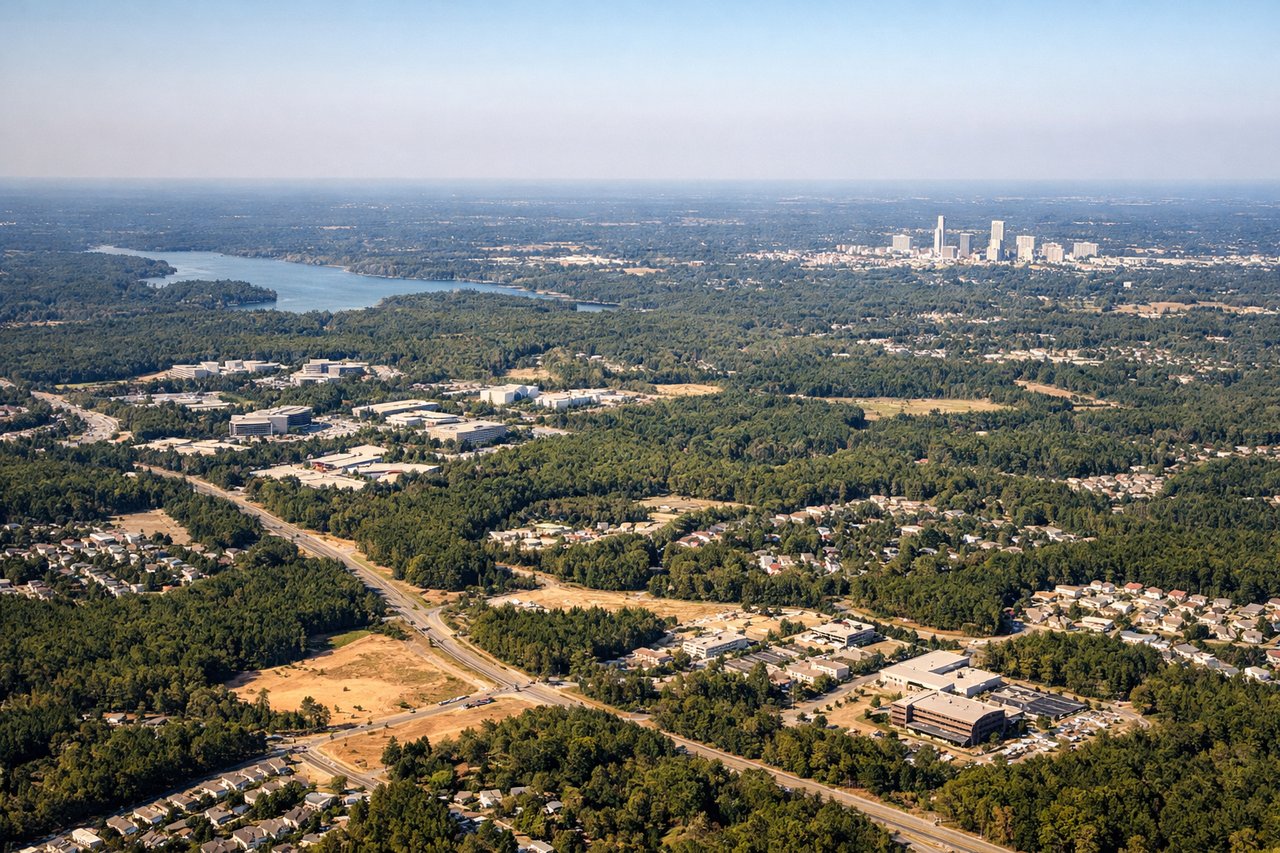
RIGHTRDU's primary arrival runways (23L/23R) bring aircraft in from the northeast over the Research Triangle area. The right side gives you the best view of Jordan Lake, the Raleigh skyline to the southeast, and the broad piedmont landscape as you descend.
Landmarks on this routeAll landmarks →
Will your flight be in sunlight?
See exactly which side of the plane gets sun and shade at your departure time.
About This Route
Which side of the plane should I sit on flying from Frankfurt Main (FRA) to Raleigh Durham International (RDU)?
Sit on the Left side of the plane for the best views on flights from Frankfurt to Raleigh-Durham. The left side wins overall for the departure experience over Frankfurt's skyline and the Rhine valley, which is the most visually distinctive part of this route. Mid-Atlantic and eastern US approaches are comparably modest on both sides, so the Frankfurt departure view tips the balance.
What can I see during takeoff from Frankfurt Main in Frankfurt?
During takeoff from Frankfurt Main (FRA), sit on the Left side for the best views. Frankfurt departures on runway 07R/25L or 18 typically swing northwest then west over the city. The left side gives you a clear view of Frankfurt's skyline — the Bankenviertel skyscrapers are unmistakable — and then the Rhine-Main confluence as you climb out heading westbound toward the Atlantic. Notable sights include: Frankfurt Bankenviertel skyline, Rhine-Main river confluence near Mainz, Taunus hills to the north, Wiesbaden spread along the Rhine.
What can I see when landing at Raleigh Durham International in Raleigh-Durham?
When landing at Raleigh Durham International (RDU), sit on the Right side for the best views. RDU's primary arrival runways (23L/23R) bring aircraft in from the northeast over the Research Triangle area. The right side gives you the best view of Jordan Lake, the Raleigh skyline to the southeast, and the broad piedmont landscape as you descend. Notable sights include: Jordan Lake reservoir to the southwest, Raleigh downtown skyline to the southeast, Falls Lake reservoir to the northeast, Research Triangle Park campus sprawl.
How long is the flight from Frankfurt to Raleigh-Durham?
The flight from Frankfurt Main (FRA) to Raleigh Durham International (RDU) takes Approximately 9 to 9.5 hours.
What does the Frankfurt to Raleigh-Durham flight path pass over?
The flight tracks northwest from Frankfurt, crossing the Netherlands coast near Amsterdam, then heads west-southwest over the North Atlantic. The southern tip of Greenland may be visible on the left side at cruise altitude in clear conditions. The route then crosses Newfoundland and Nova Scotia, where the Canadian Maritime coastline and the Gulf of St. Lawrence are visible, before tracking down the US East Coast over New England and the Mid-Atlantic states into North Carolina.