Frankfurt to Halifax is 3,253 miles (5,236 km), a flight of about 8 hours 15 minutes.
Left side wins both departure and arrival. During the transatlantic crossing the left side also faces south, giving better views of southern Greenland's ice sheet edge and Labrador's coastline as the great-circle route arcs northward, compared to the right side which looks into open North Atlantic.
Flight Path
The great-circle route tracks northwest over the Netherlands and UK, then arcs over Scotland and the North Atlantic. It passes south of Iceland, crosses the southern tip of Greenland where the ice sheet edge and fjords are visible, then tracks over Labrador's boreal forest and the Gulf of St. Lawrence before descending into Nova Scotia.
Great circle distance and headings ›
.jpeg?width=600)
Phase by phase
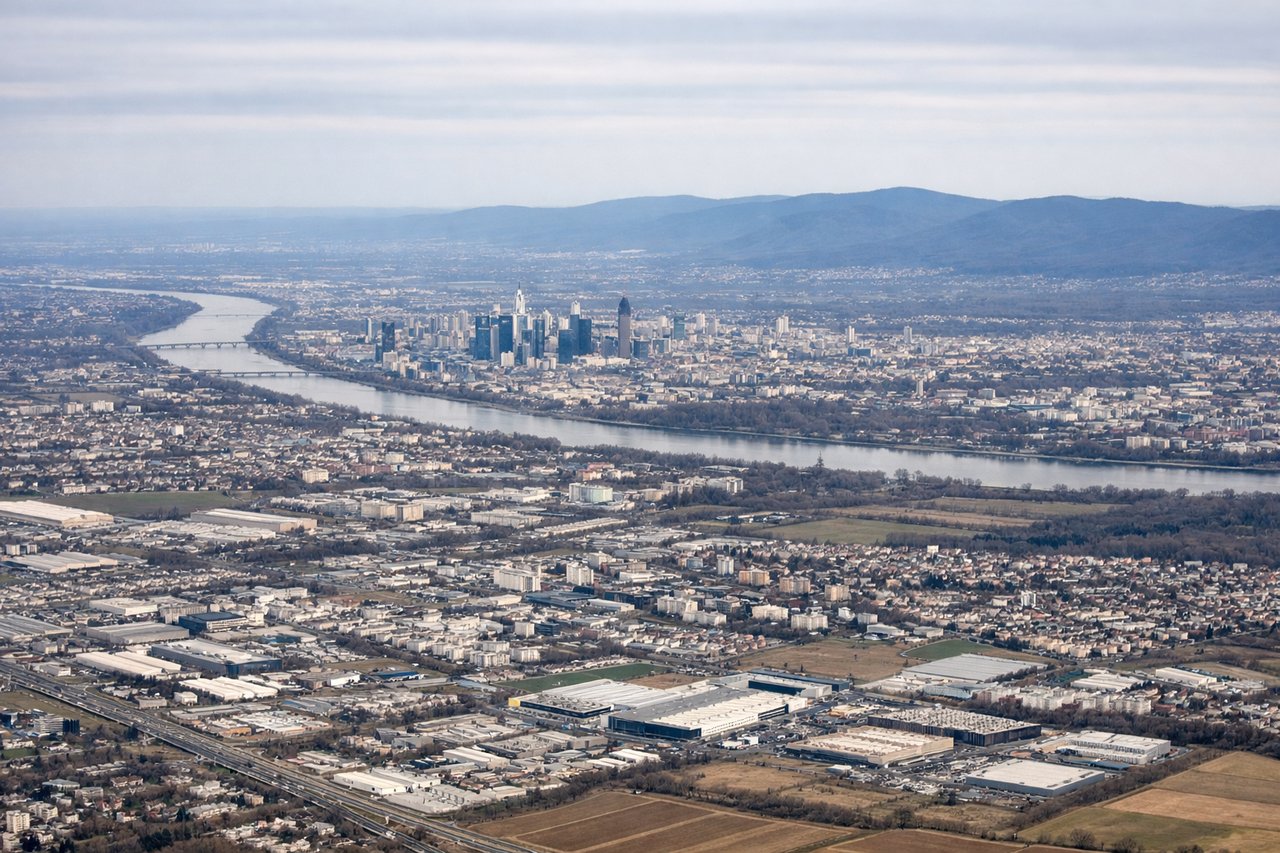
Takeoff from FRA
LEFTFrankfurt departures on runway 25L/25C head westward, and the left side gives you a clear view south over the Rhine-Main plain, with Frankfurt's skyline visible briefly before the aircraft climbs out. The Taunus hills and the Rhine River bend near Mainz come into view on the left as you climb.
Landing at YHZ
LEFTHalifax Stanfield typically uses runway 14 for arrivals from the northeast, meaning the aircraft approaches from the northwest tracking southeast. The left side faces northeast over Bedford Basin and the Halifax Harbour approaches, giving a clear view of the harbour, the Dartmouth waterfront, and the Atlantic coastline. The right side faces inland over scrubby Nova Scotia forest with little of interest.
Landmarks on this routeAll landmarks →
Will your flight be in sunlight?
Pick a date and time in the Sun Map to watch the sun move across your whole flight.
About This Route
Which side of the plane should I sit on flying from Frankfurt Main (FRA) to Halifax International (YHZ)?
Sit on the Left side of the plane for the best views on flights from Frankfurt to Halifax. Left side wins both departure and arrival. During the transatlantic crossing the left side also faces south, giving better views of southern Greenland's ice sheet edge and Labrador's coastline as the great-circle route arcs northward, compared to the right side which looks into open North Atlantic.
What can I see during takeoff from Frankfurt Main in Frankfurt?
During takeoff from Frankfurt Main (FRA), sit on the Left side for the best views. Frankfurt departures on runway 25L/25C head westward, and the left side gives you a clear view south over the Rhine-Main plain, with Frankfurt's skyline visible briefly before the aircraft climbs out. The Taunus hills and the Rhine River bend near Mainz come into view on the left as you climb. Notable sights include: Frankfurt city skyline (Bankenviertel towers), Rhine River near Mainz, Taunus hills ridge, Wiesbaden spread along the Rhine's north bank.
What can I see when landing at Halifax International in Halifax?
When landing at Halifax International (YHZ), sit on the Left side for the best views. Halifax Stanfield typically uses runway 14 for arrivals from the northeast, meaning the aircraft approaches from the northwest tracking southeast. The left side faces northeast over Bedford Basin and the Halifax Harbour approaches, giving a clear view of the harbour, the Dartmouth waterfront, and the Atlantic coastline. The right side faces inland over scrubby Nova Scotia forest with little of interest. Notable sights include: Halifax Harbour and Bedford Basin, Dartmouth waterfront, McNabs Island at the harbour mouth, Atlantic Ocean coastline.
How long is the flight from Frankfurt to Halifax?
The flight from Frankfurt Main (FRA) to Halifax International (YHZ) takes about 8 hours 15 minutes. The shortest flight path between them is 3,253 miles (5,236 km); winds and air traffic control usually add a few percent.
What does the Frankfurt to Halifax flight path pass over?
The great-circle route tracks northwest over the Netherlands and UK, then arcs over Scotland and the North Atlantic. It passes south of Iceland, crosses the southern tip of Greenland where the ice sheet edge and fjords are visible, then tracks over Labrador's boreal forest and the Gulf of St. Lawrence before descending into Nova Scotia.