Fukue to Seoul is 358 miles (576 km), a flight of about 1 hour 15 minutes.
While takeoff favors the right, the landing view from the left is more dramatic and sustained—the Yellow Sea crossing and Incheon's waterfront development provide superior visual interest during the longer descent phase when passengers are most attentive.
Flight Path
The flight crosses the East China Sea and Yellow Sea directly. At cruise altitude (around 25,000 feet), the midpoint offers views of open water with occasional fishing vessel clusters visible as tiny white dots. The Korean Peninsula's western coastline becomes visible roughly 30 minutes before landing, with the Gyeonggi Bay area and its complex of islands appearing as the aircraft begins descent into Incheon's approach corridor.
Great circle distance and headings ›Phase by phase
Takeoff from FUJ
RIGHTFukue typically departs to the north or northeast. Right-side seats capture the Goto Islands archipelago and the East China Sea stretching toward the Korean Peninsula. The island's volcanic terrain and surrounding smaller islands are distinctive from altitude.
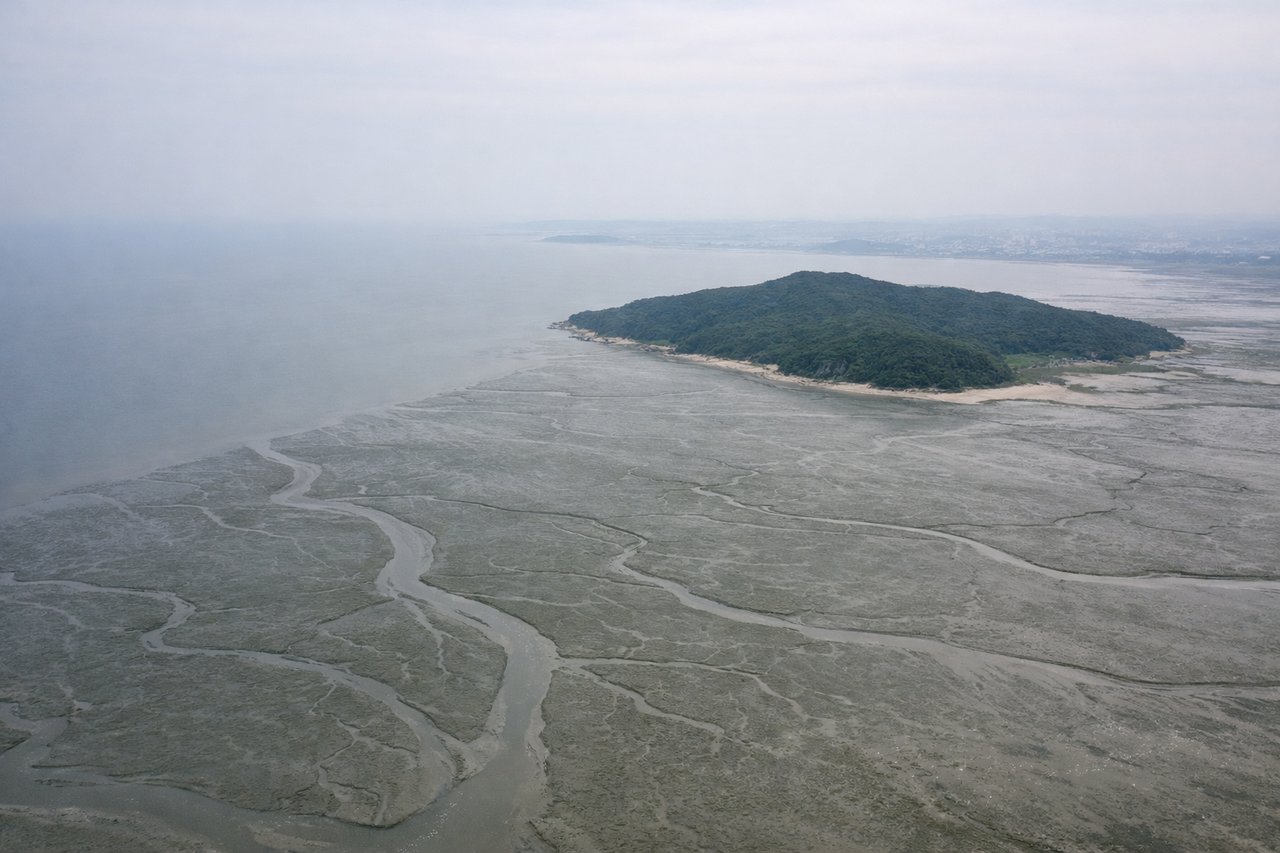
Landing at ICN
LEFTIncheon typically receives aircraft from the southwest on final approach. Left-side seats offer views of the Yellow Sea, the Incheon waterfront development, and Songdo International Business District. The contrast between water, reclaimed land, and urban infrastructure is visually striking during descent.
Will your flight be in sunlight?
Pick a date and time in the Sun Map to watch the sun move across your whole flight.
About This Route
Which side of the plane should I sit on flying from Fukue (FUJ) to Incheon International (ICN)?
Sit on the Left side of the plane for the best views on flights from Fukue to Seoul. While takeoff favors the right, the landing view from the left is more dramatic and sustained—the Yellow Sea crossing and Incheon's waterfront development provide superior visual interest during the longer descent phase when passengers are most attentive.
What can I see during takeoff from Fukue in Fukue?
During takeoff from Fukue (FUJ), sit on the Right side for the best views. Fukue typically departs to the north or northeast. Right-side seats capture the Goto Islands archipelago and the East China Sea stretching toward the Korean Peninsula. The island's volcanic terrain and surrounding smaller islands are distinctive from altitude. Notable sights include: Goto Islands (immediate vicinity), East China Sea, Nagasaki Prefecture coastline to the south, volcanic ridges of Fukue Island itself.
What can I see when landing at Incheon International in Seoul?
When landing at Incheon International (ICN), sit on the Left side for the best views. Incheon typically receives aircraft from the southwest on final approach. Left-side seats offer views of the Yellow Sea, the Incheon waterfront development, and Songdo International Business District. The contrast between water, reclaimed land, and urban infrastructure is visually striking during descent. Notable sights include: Yellow Sea (Hwanghae), Songdo International Business District, Incheon Bridge, Gyeonggi Bay.
How long is the flight from Fukue to Seoul?
The flight from Fukue (FUJ) to Incheon International (ICN) takes about 1 hour 15 minutes. The shortest flight path between them is 358 miles (576 km); winds and air traffic control usually add a few percent.
What does the Fukue to Seoul flight path pass over?
The flight crosses the East China Sea and Yellow Sea directly. At cruise altitude (around 25,000 feet), the midpoint offers views of open water with occasional fishing vessel clusters visible as tiny white dots. The Korean Peninsula's western coastline becomes visible roughly 30 minutes before landing, with the Gyeonggi Bay area and its complex of islands appearing as the aircraft begins descent into Incheon's approach corridor.