The Sydney arrival side scores higher due to the Blue Mountains' dramatic presence, Sydney Harbour's iconic and visually complex geography, and the NSW coastline's distinctive cliffs and beaches. While São Paulo's departure offers urban and escarpment interest, Sydney's approach combines multiple world-recognizable features with genuine topographic drama. The 14+ hours of ocean crossing on the left side provides minimal scenic value for most of the flight, whereas the right side concentrates its best views during the critical landing phase.
Flight Path
The flight crosses the South Atlantic and Indian Ocean with minimal visible landmarks. The route passes south of the African continent (no direct overflight), crosses the southern Indian Ocean with no islands or terrain visible for approximately 10-12 hours of cruise, and approaches Australia from the east over the Tasman Sea. No significant geographic features are visible during the mid-ocean cruise phase.
Great circle distance and headings ›
.jpg?width=600)
Phase by phase
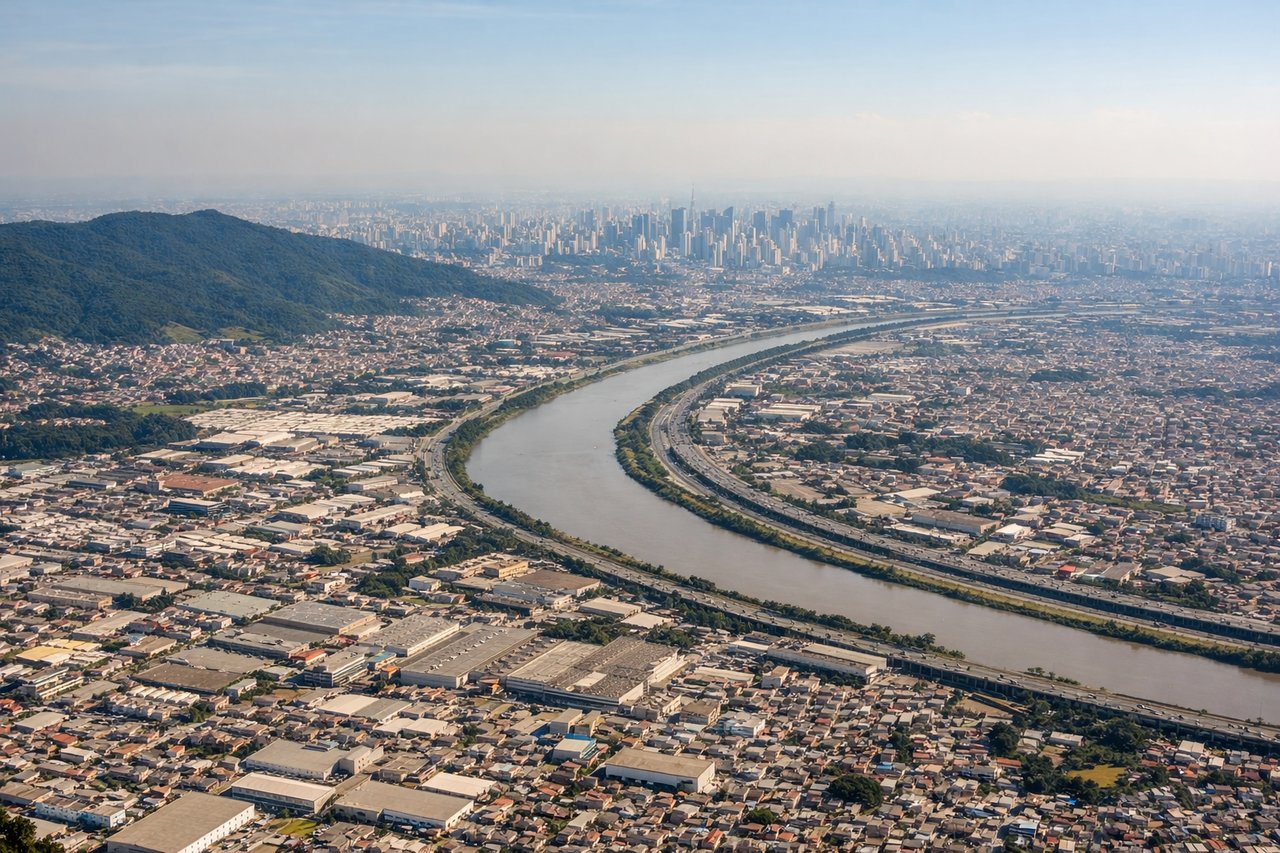
Takeoff from GRU
LEFTSão Paulo's urban sprawl and surrounding escarpment terrain provide more visual interest during departure than the approach to Sydney. The Serra da Mantiqueira mountains are visible inland from Guarulhos, and the city's dense metropolitan area creates recognizable urban texture.
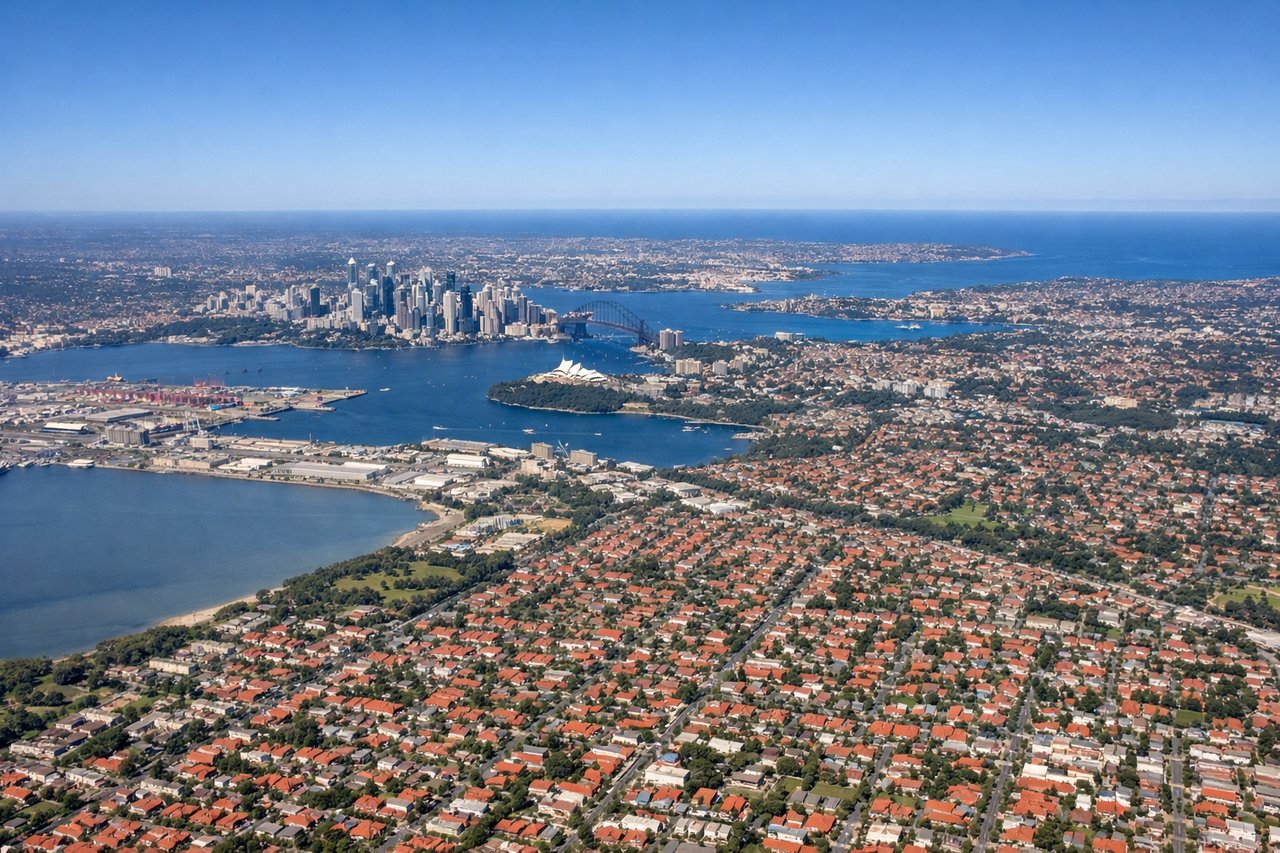
Landing at SYD
RIGHTSydney's approach offers superior scenic value with the iconic Blue Mountains visible inland, Sydney Harbour's distinctive geography during descent, and the dramatic coastal cliffs and beaches of the New South Wales coast. The approach path provides extended views of these features.
Landmarks on this routeAll landmarks →
Will your flight be in sunlight?
See exactly which side of the plane gets sun and shade at your departure time.
About This Route
Which side of the plane should I sit on flying from Guarulhos (GRU) to Kingsford Smith International Airport (SYD)?
Sit on the Right side of the plane for the best views on flights from Sao Paulo to Sydney. The Sydney arrival side scores higher due to the Blue Mountains' dramatic presence, Sydney Harbour's iconic and visually complex geography, and the NSW coastline's distinctive cliffs and beaches. While São Paulo's departure offers urban and escarpment interest, Sydney's approach combines multiple world-recognizable features with genuine topographic drama. The 14+ hours of ocean crossing on the left side provides minimal scenic value for most of the flight, whereas the right side concentrates its best views during the critical landing phase.
What can I see during takeoff from Guarulhos in Sao Paulo?
During takeoff from Guarulhos (GRU), sit on the Left side for the best views. São Paulo's urban sprawl and surrounding escarpment terrain provide more visual interest during departure than the approach to Sydney. The Serra da Mantiqueira mountains are visible inland from Guarulhos, and the city's dense metropolitan area creates recognizable urban texture. Notable sights include: Guarulhos airport and São Paulo metropolitan area, Serra da Mantiqueira escarpment to the south, Atlantic coastal plain to the east.
What can I see when landing at Kingsford Smith International Airport in Sydney?
When landing at Kingsford Smith International Airport (SYD), sit on the Right side for the best views. Sydney's approach offers superior scenic value with the iconic Blue Mountains visible inland, Sydney Harbour's distinctive geography during descent, and the dramatic coastal cliffs and beaches of the New South Wales coast. The approach path provides extended views of these features. Notable sights include: Blue Mountains to the west, Sydney Harbour with its headlands and beaches, Tasman Sea coastline with dramatic cliffs, Sydney city skyline.
How long is the flight from Sao Paulo to Sydney?
The flight from Guarulhos (GRU) to Kingsford Smith International Airport (SYD) takes 14h 25m.
What does the Sao Paulo to Sydney flight path pass over?
The flight crosses the South Atlantic and Indian Ocean with minimal visible landmarks. The route passes south of the African continent (no direct overflight), crosses the southern Indian Ocean with no islands or terrain visible for approximately 10-12 hours of cruise, and approaches Australia from the east over the Tasman Sea. No significant geographic features are visible during the mid-ocean cruise phase.