The left side wins overall because of the dramatic cruise-phase scenery over Central Asia — the Tian Shan and Pamir ranges followed by the Caucasus Mountains — which outweighs the brief coastal advantage on landing. These mountain ranges provide sustained visual drama across several hours of the flight.
Flight Path
Tian Shan mountains of Xinjiang, the Pamir Knot near the China-Tajikistan border, the Caspian Sea, and the Caucasus Mountains before the route continues over Turkey and the Balkans toward Italy
Great circle distance and headings ›
.jpg?width=600)


Phase by phase
Takeoff from HKG
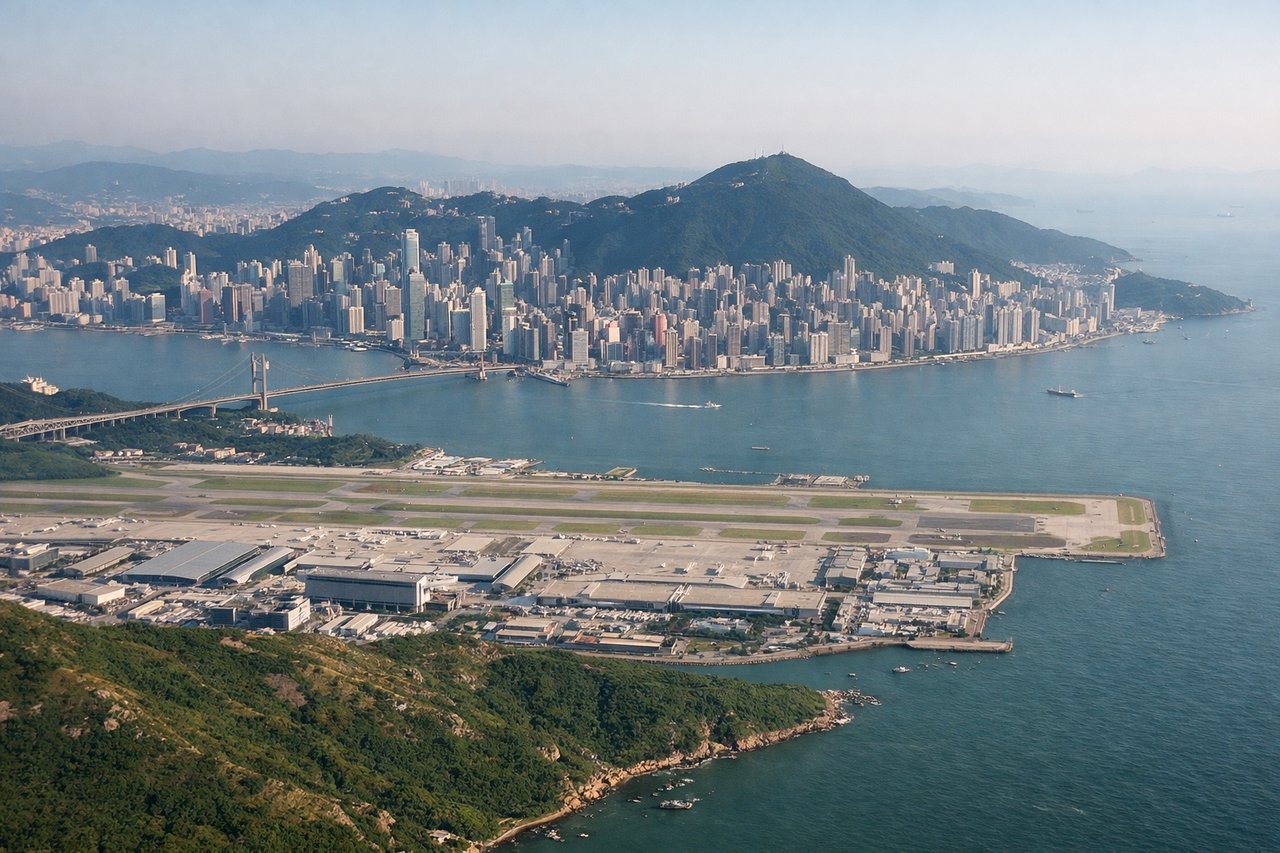
LEFTDeparting HKG toward the northwest, the left side offers views of the New Territories' hills and the Shenzhen skyline, plus a receding view of Hong Kong Island's skyscrapers and Victoria Harbour. The right side mostly shows open South China Sea and the flat reclaimed airport island.
Landing at FCO
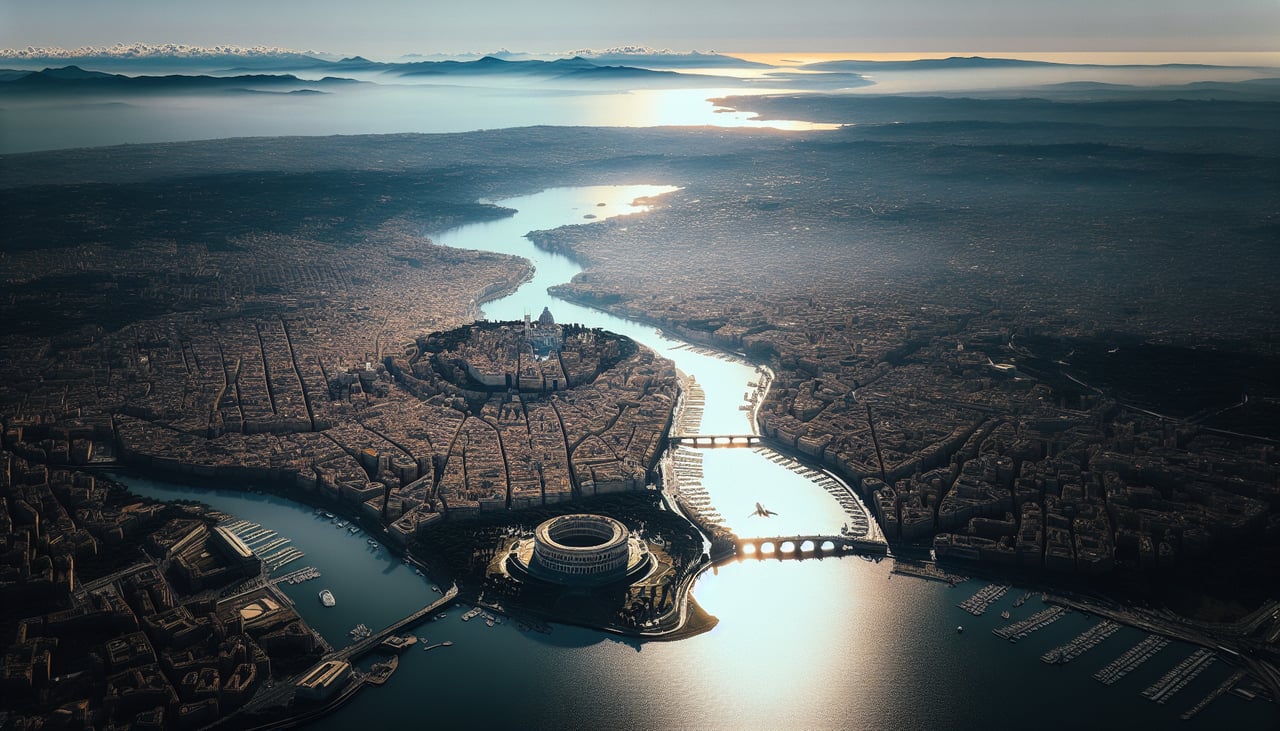
RIGHTOn approach to FCO from the south, the right side faces west toward the Tyrrhenian coastline, giving passengers a view of the Mediterranean shoreline and Rome's outskirts as the aircraft turns onto final approach. The left side mostly shows flat Roman countryside with little visual interest.
Landmarks on this routeAll landmarks →
Will your flight be in sunlight?
See exactly which side of the plane gets sun and shade at your departure time.
About This Route
Which side of the plane should I sit on flying from Hong Kong International (HKG) to Fiumicino (FCO)?
Sit on the Left side of the plane for the best views on flights from Hong Kong to Rome. The left side wins overall because of the dramatic cruise-phase scenery over Central Asia — the Tian Shan and Pamir ranges followed by the Caucasus Mountains — which outweighs the brief coastal advantage on landing. These mountain ranges provide sustained visual drama across several hours of the flight.
What can I see during takeoff from Hong Kong International in Hong Kong?
During takeoff from Hong Kong International (HKG), sit on the Left side for the best views. Departing HKG toward the northwest, the left side offers views of the New Territories' hills and the Shenzhen skyline, plus a receding view of Hong Kong Island's skyscrapers and Victoria Harbour. The right side mostly shows open South China Sea and the flat reclaimed airport island. Notable sights include: Victoria Harbour, Hong Kong Island skyline, New Territories hills, Shenzhen skyline.
What can I see when landing at Fiumicino in Rome?
When landing at Fiumicino (FCO), sit on the Right side for the best views. On approach to FCO from the south, the right side faces west toward the Tyrrhenian coastline, giving passengers a view of the Mediterranean shoreline and Rome's outskirts as the aircraft turns onto final approach. The left side mostly shows flat Roman countryside with little visual interest. Notable sights include: Tyrrhenian Sea coastline, Fiumicino harbor, outskirts of Rome, Ostia coastal plain.
How long is the flight from Hong Kong to Rome?
The flight from Hong Kong International (HKG) to Fiumicino (FCO) takes 11h 50m.
What does the Hong Kong to Rome flight path pass over?
Tian Shan mountains of Xinjiang, the Pamir Knot near the China-Tajikistan border, the Caspian Sea, and the Caucasus Mountains before the route continues over Turkey and the Balkans toward Italy