Right-side seats capture the superior takeoff experience at Hong Kong with Victoria Harbour and Kowloon clearly visible during climb. While left seats offer better Manchester landing views, the Hong Kong departure is more visually distinctive and memorable, making right the overall choice for this westbound route.
Flight Path
The flight path crosses the Tibetan Plateau (visible around 6-7 hours into flight), the Hindu Kush and Pamir ranges, then transitions over Central Asia and the Caspian Sea region. Over the Middle East, the Persian Gulf and Zagros Mountains are visible. Crossing into Europe, the flight passes over Turkey, the Black Sea region, and eventually the Alps before descending into UK airspace. The Himalayas are the most dramatic midpoint feature if visible during daylight hours, though timing and weather significantly affect visibility.
Great circle distance and headings ›


Phase by phase
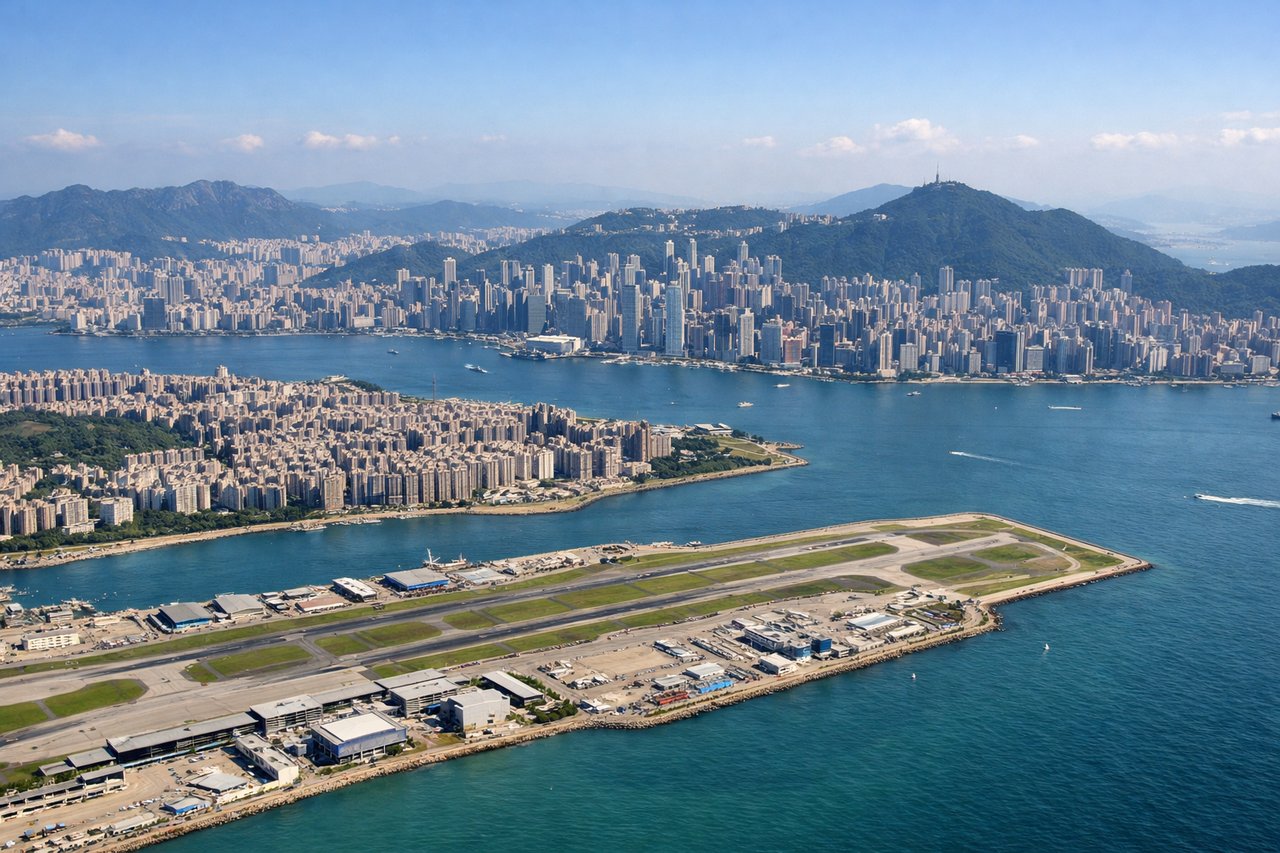
Takeoff from HKG
RIGHTHong Kong International typically departs eastbound on runway 07L/07R. Right-side seats face north toward Lantau Island and the New Territories, with clear views of Victoria Harbour and Kowloon Peninsula during initial climb. Left seats face the South China Sea with minimal landmarks.
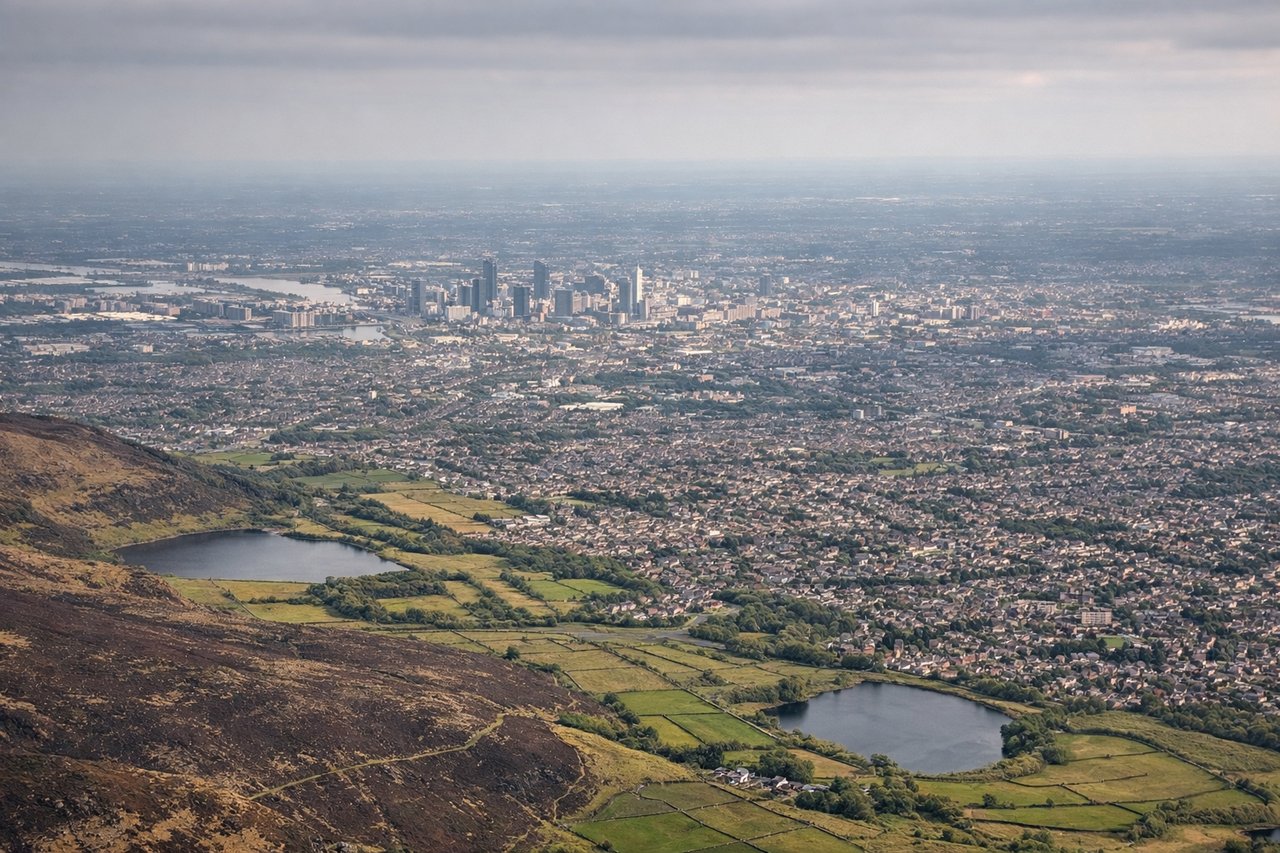
Landing at MAN
LEFTManchester typically lands on runway 27L/27R (westbound). Left-side seats during descent face north toward the Peak District and Manchester city center. Right seats face south toward Cheshire plains with fewer distinctive features. The approach path offers excellent views of the Pennines and urban sprawl.
Landmarks on this routeAll landmarks →
Will your flight be in sunlight?
See exactly which side of the plane gets sun and shade at your departure time.
About This Route
Which side of the plane should I sit on flying from Hong Kong International (HKG) to Manchester (MAN)?
Sit on the Right side of the plane for the best views on flights from Hong Kong to Manchester. Right-side seats capture the superior takeoff experience at Hong Kong with Victoria Harbour and Kowloon clearly visible during climb. While left seats offer better Manchester landing views, the Hong Kong departure is more visually distinctive and memorable, making right the overall choice for this westbound route.
What can I see during takeoff from Hong Kong International in Hong Kong?
During takeoff from Hong Kong International (HKG), sit on the Right side for the best views. Hong Kong International typically departs eastbound on runway 07L/07R. Right-side seats face north toward Lantau Island and the New Territories, with clear views of Victoria Harbour and Kowloon Peninsula during initial climb. Left seats face the South China Sea with minimal landmarks. Notable sights include: Victoria Harbour (immediate north), Kowloon Peninsula (northeast), New Territories mountains (north-northeast), Lantau Island (west-northwest).
What can I see when landing at Manchester in Manchester?
When landing at Manchester (MAN), sit on the Left side for the best views. Manchester typically lands on runway 27L/27R (westbound). Left-side seats during descent face north toward the Peak District and Manchester city center. Right seats face south toward Cheshire plains with fewer distinctive features. The approach path offers excellent views of the Pennines and urban sprawl. Notable sights include: Peak District (north-northeast), Manchester city center (north), Pennine foothills (northeast), Cheshire plains (south).
How long is the flight from Hong Kong to Manchester?
The flight from Hong Kong International (HKG) to Manchester (MAN) takes Approximately 12 hours 45 minutes to 13 hours 30 minutes.
What does the Hong Kong to Manchester flight path pass over?
The flight path crosses the Tibetan Plateau (visible around 6-7 hours into flight), the Hindu Kush and Pamir ranges, then transitions over Central Asia and the Caspian Sea region. Over the Middle East, the Persian Gulf and Zagros Mountains are visible. Crossing into Europe, the flight passes over Turkey, the Black Sea region, and eventually the Alps before descending into UK airspace. The Himalayas are the most dramatic midpoint feature if visible during daylight hours, though timing and weather significantly affect visibility.