While the HKG departure offers a striking harbor view, the right side wins overall because the Perth arrival delivers a clear, sustained coastal sequence with the Swan River, Fremantle, and the Indian Ocean shoreline, adding more variety to an otherwise ocean-dominated cruise.
Flight Path
South China Sea, Philippine archipelago near Palawan, Java Sea and Indonesian islands, open Indian Ocean approaching Western Australia
Great circle distance and headings ›

Phase by phase
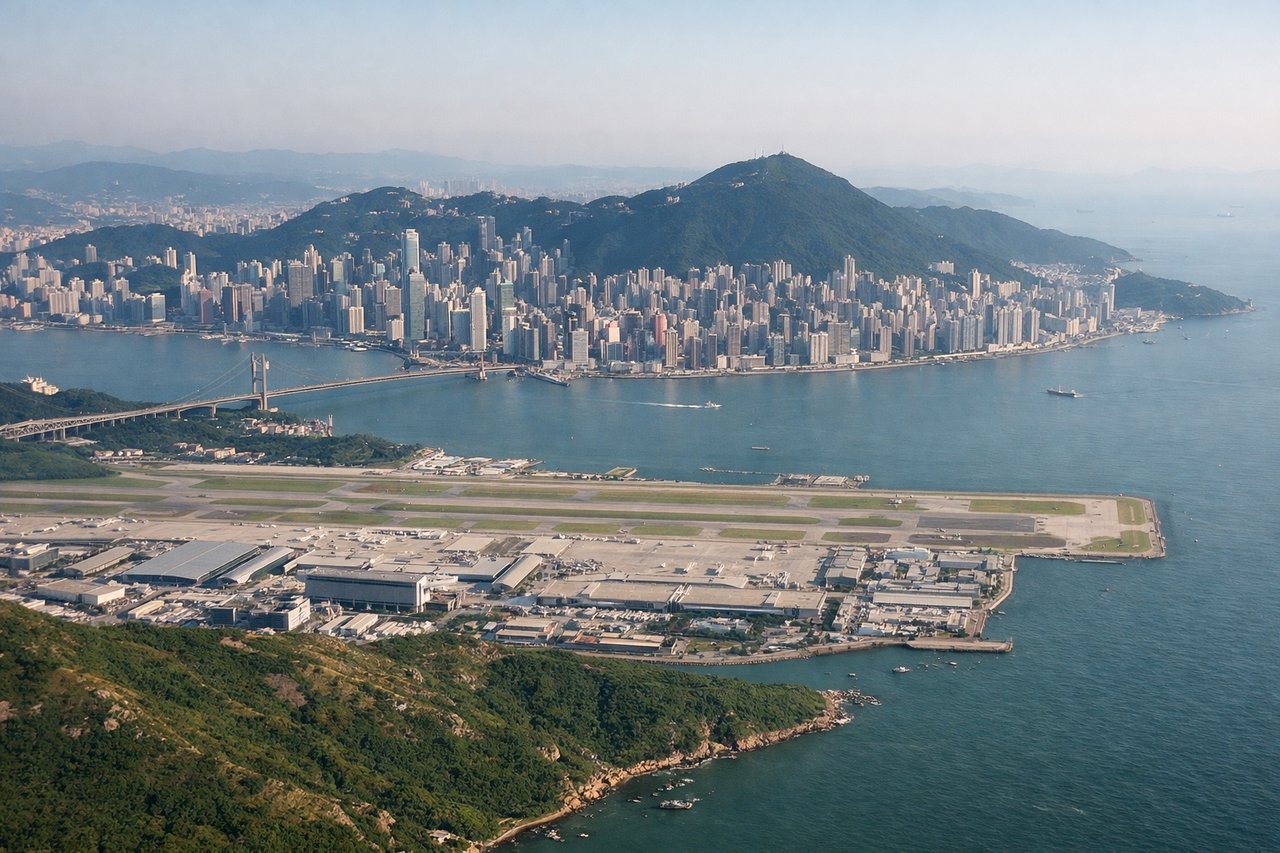
Takeoff from HKG
LEFTDeparting HKG southbound, the climb-out banks over Lantau and the Pearl River Estuary, giving left-side passengers a sweeping view of Hong Kong Island's skyline, Victoria Harbour, and the dense Kowloon skyline before the plane turns out over open water.
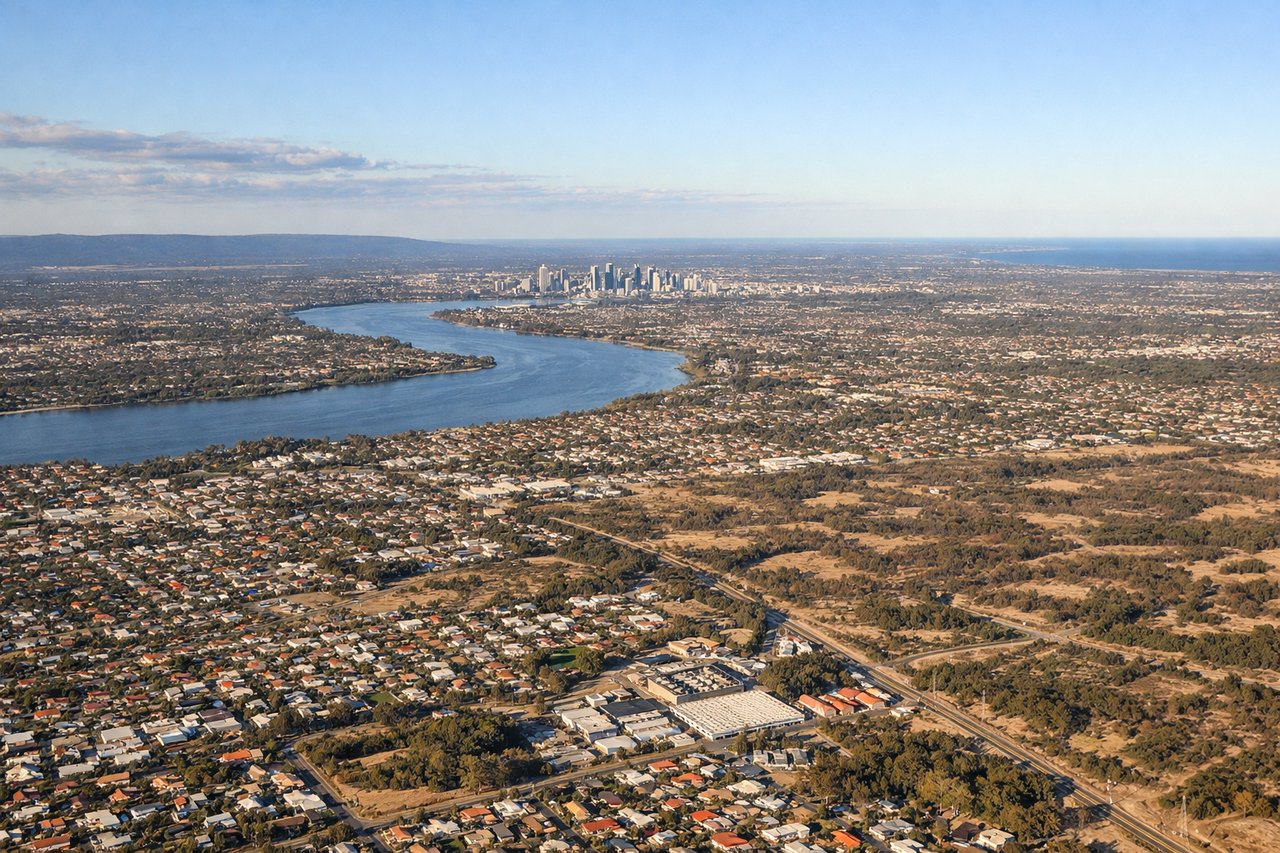
Landing at PER
RIGHTOn approach into Perth from the north, the descent path tracks down the Western Australian coastline, letting right-side passengers see the Indian Ocean coast, the mouth of the Swan River, and Fremantle Harbour before the final turn onto the runway.
Landmarks on this routeAll landmarks →
Will your flight be in sunlight?
See exactly which side of the plane gets sun and shade at your departure time.
About This Route
Which side of the plane should I sit on flying from Hong Kong International (HKG) to Perth International (PER)?
Sit on the Right side of the plane for the best views on flights from Hong Kong to Perth. While the HKG departure offers a striking harbor view, the right side wins overall because the Perth arrival delivers a clear, sustained coastal sequence with the Swan River, Fremantle, and the Indian Ocean shoreline, adding more variety to an otherwise ocean-dominated cruise.
What can I see during takeoff from Hong Kong International in Hong Kong?
During takeoff from Hong Kong International (HKG), sit on the Left side for the best views. Departing HKG southbound, the climb-out banks over Lantau and the Pearl River Estuary, giving left-side passengers a sweeping view of Hong Kong Island's skyline, Victoria Harbour, and the dense Kowloon skyline before the plane turns out over open water. Notable sights include: Hong Kong Island skyline, Victoria Harbour, Kowloon Peninsula, Lantau Island.
What can I see when landing at Perth International in Perth?
When landing at Perth International (PER), sit on the Right side for the best views. On approach into Perth from the north, the descent path tracks down the Western Australian coastline, letting right-side passengers see the Indian Ocean coast, the mouth of the Swan River, and Fremantle Harbour before the final turn onto the runway. Notable sights include: Swan River estuary, Fremantle Harbour, Rottnest Island, Perth CBD skyline.
How long is the flight from Hong Kong to Perth?
The flight from Hong Kong International (HKG) to Perth International (PER) takes 7h 35m.
What does the Hong Kong to Perth flight path pass over?
South China Sea, Philippine archipelago near Palawan, Java Sea and Indonesian islands, open Indian Ocean approaching Western Australia