Right-side seats capture the most visually distinctive scenery: Phang Nga Bay's iconic karsts during departure and the Atlantic coastline during the long transpacific crossing. While the landing approach favors the left, the departure views are more dramatic and unique to this route.
Flight Path
This route typically crosses the Indian subcontinent (Himalayas visible on clear days), the Middle East (Persian Gulf, Arabian Peninsula), and the Atlantic Ocean. Over the Indian Ocean, passengers may see the Maldives archipelago if flying that corridor. The flight path generally heads northwest from Phuket, crosses Central Asia, and approaches North America from the northwest, making the Atlantic crossing the longest and least visually eventful segment. Actual routing depends on winds and air traffic control—some flights may route over the North Pole or via the Middle East and Europe.
Great circle distance and headings ›

.jpeg?width=600)
.jpg?width=600)
Phase by phase
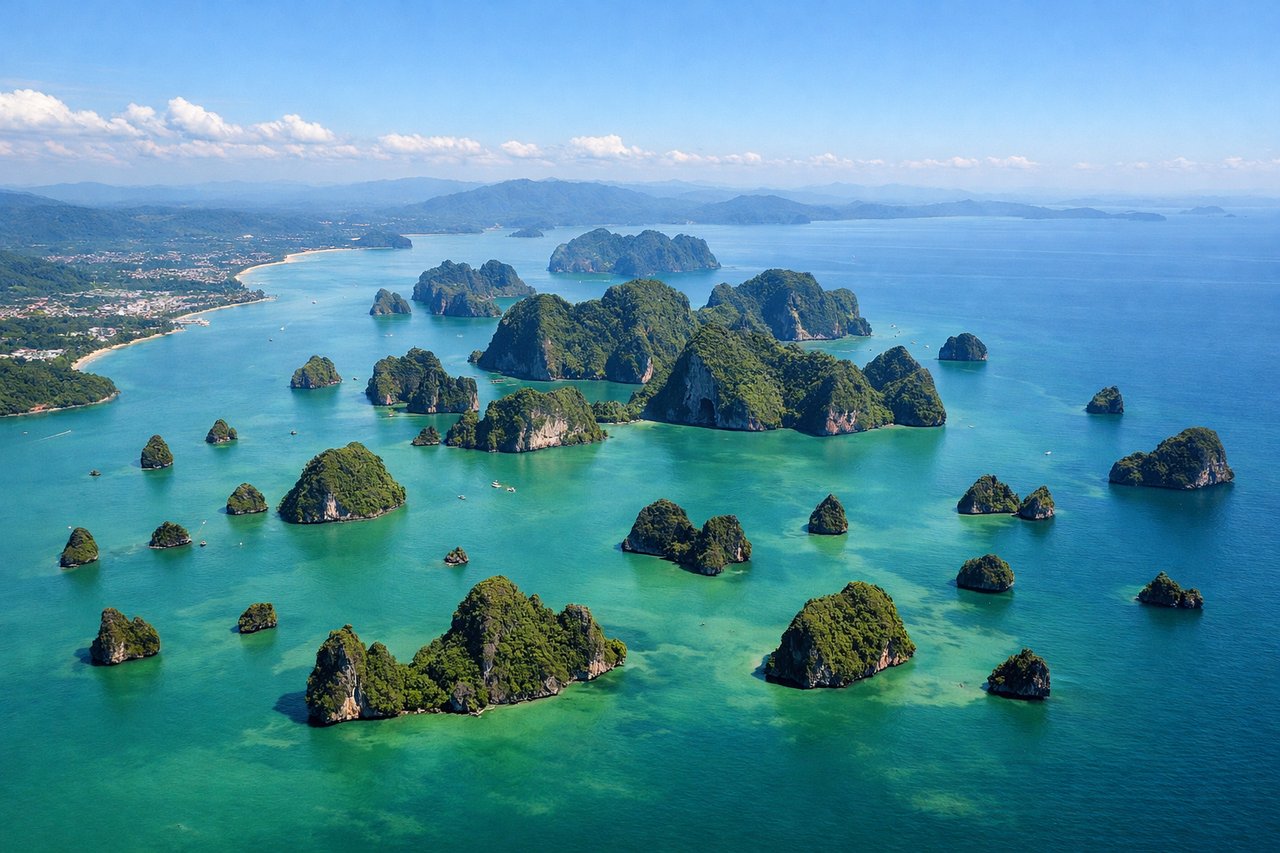
Takeoff from HKT
RIGHTRight-side seats offer views of Phang Nga Bay's limestone karsts and the Andaman Sea immediately after departure. The aircraft climbs northwestward, so right windows face the dramatic coastal geography that defines Phuket's departure corridor.
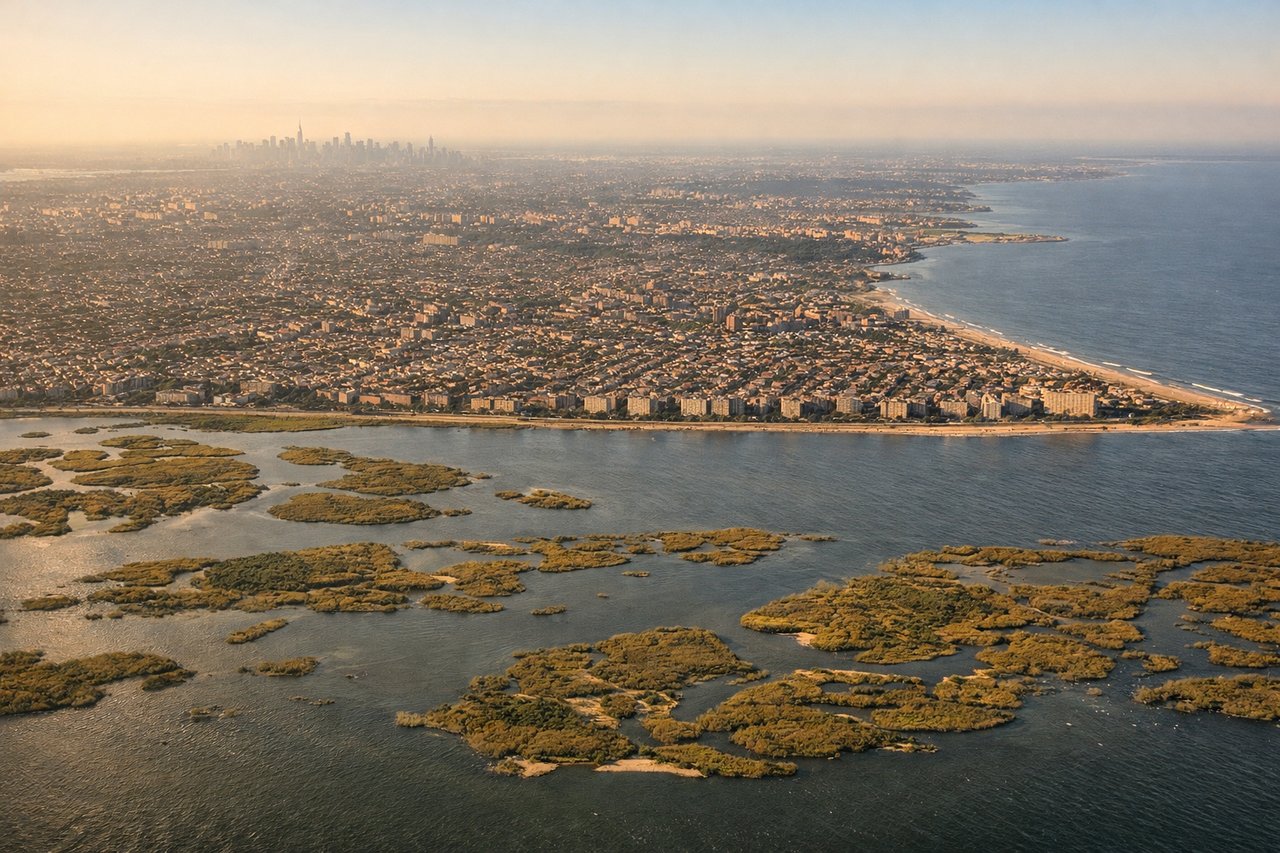
Landing at JFK
LEFTLeft-side seats provide views of the Hudson River, Manhattan skyline, and the New Jersey shoreline during final approach to JFK. The aircraft descends from the northwest, so left windows face the iconic urban landscape and water features that dominate the New York arrival corridor.
Landmarks on this routeAll landmarks →
Will your flight be in sunlight?
See exactly which side of the plane gets sun and shade at your departure time.
About This Route
Which side of the plane should I sit on flying from Phuket International (HKT) to John F Kennedy International (JFK)?
Sit on the Right side of the plane for the best views on flights from Phuket to New York. Right-side seats capture the most visually distinctive scenery: Phang Nga Bay's iconic karsts during departure and the Atlantic coastline during the long transpacific crossing. While the landing approach favors the left, the departure views are more dramatic and unique to this route.
What can I see during takeoff from Phuket International in Phuket?
During takeoff from Phuket International (HKT), sit on the Right side for the best views. Right-side seats offer views of Phang Nga Bay's limestone karsts and the Andaman Sea immediately after departure. The aircraft climbs northwestward, so right windows face the dramatic coastal geography that defines Phuket's departure corridor. Notable sights include: Phang Nga Bay (limestone islands and karsts), Andaman Sea, Phuket Town (visible briefly inland), Phang Nga Province coastline.
What can I see when landing at John F Kennedy International in New York?
When landing at John F Kennedy International (JFK), sit on the Left side for the best views. Left-side seats provide views of the Hudson River, Manhattan skyline, and the New Jersey shoreline during final approach to JFK. The aircraft descends from the northwest, so left windows face the iconic urban landscape and water features that dominate the New York arrival corridor. Notable sights include: Hudson River, Manhattan skyline (Empire State Building, One World Trade Center visible in clear conditions), East River, New Jersey waterfront and industrial areas.
How long is the flight from Phuket to New York?
The flight from Phuket International (HKT) to John F Kennedy International (JFK) takes Approximately 17-18 hours (including one stop or direct routing via polar/northern route).
What does the Phuket to New York flight path pass over?
This route typically crosses the Indian subcontinent (Himalayas visible on clear days), the Middle East (Persian Gulf, Arabian Peninsula), and the Atlantic Ocean. Over the Indian Ocean, passengers may see the Maldives archipelago if flying that corridor. The flight path generally heads northwest from Phuket, crosses Central Asia, and approaches North America from the northwest, making the Atlantic crossing the longest and least visually eventful segment. Actual routing depends on winds and air traffic control—some flights may route over the North Pole or via the Middle East and Europe.