Left side scores 3.5 vs right's 2.5 due to consistent access to Thailand's most visually distinctive features: the Andaman Sea coastline, Mai Khao Beach during departure, and the UNESCO-listed Phang Nga Bay limestone karsts during approach. The right side faces inland toward flat central Thai plains with minimal terrain variation or recognizable landmarks throughout the flight. The left side also benefits from typical runway usage patterns at both airports, maximizing scenic exposure during critical phases.
Flown HKT to LHR? Did we get it right?
Flight Path
Phuket to London is 6,154 miles (9,904 km), a flight of about 11 hours 15 minutes.
Bay of Bengal, Indian subcontinent (southern tip and eastern coast), Arabian Sea, Persian Gulf, Zagros Mountains (Iran-Iraq border), Mesopotamian plains, Mediterranean Sea, Alps (southern approaches), English Channel, Thames estuary
Great circle distance and headings ›Phase by phase
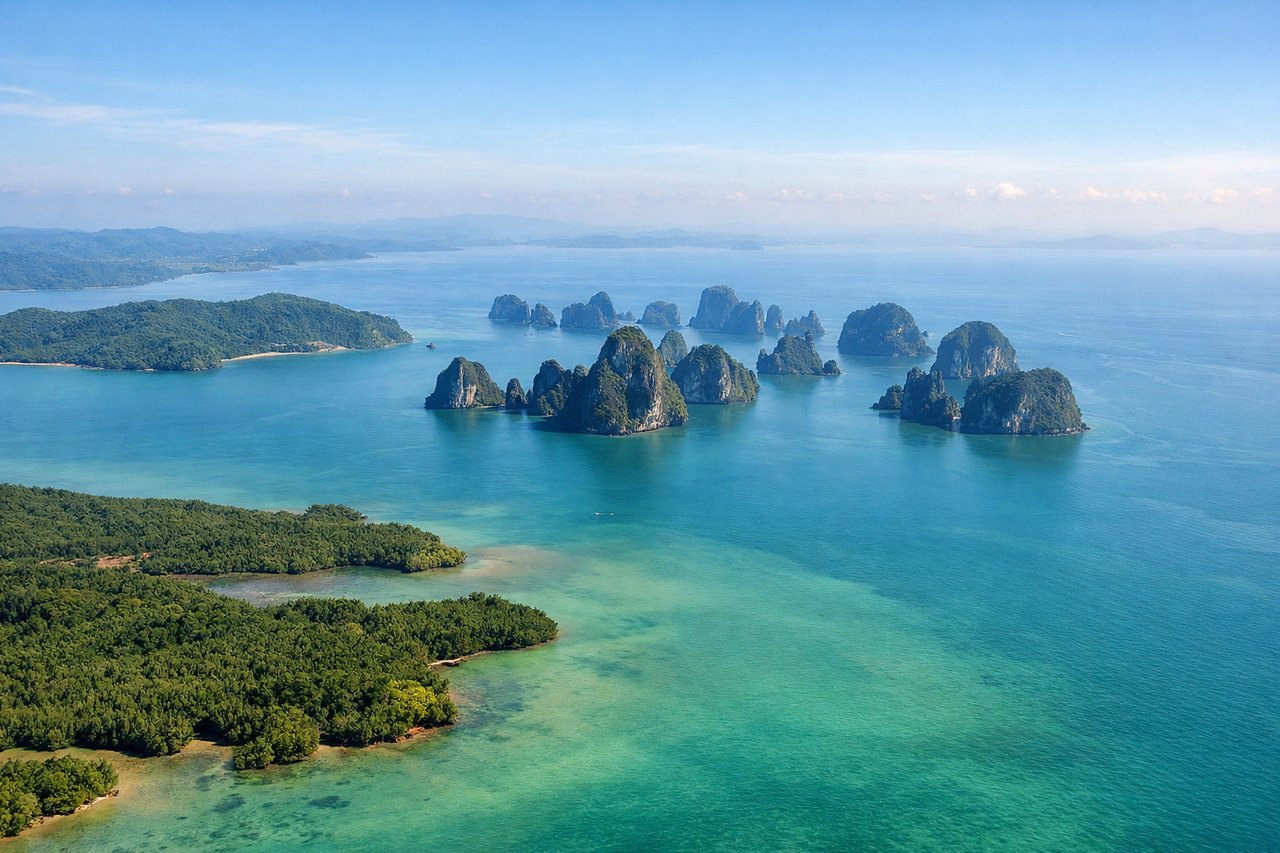
Takeoff from HKT
LEFTLeft side captures the Andaman Sea coastline and Mai Khao Beach during the typical westbound departure roll on Runway 09, with immediate views of Thailand's coastal geography. Right side faces inland toward flat central Thai plains with minimal visual interest.
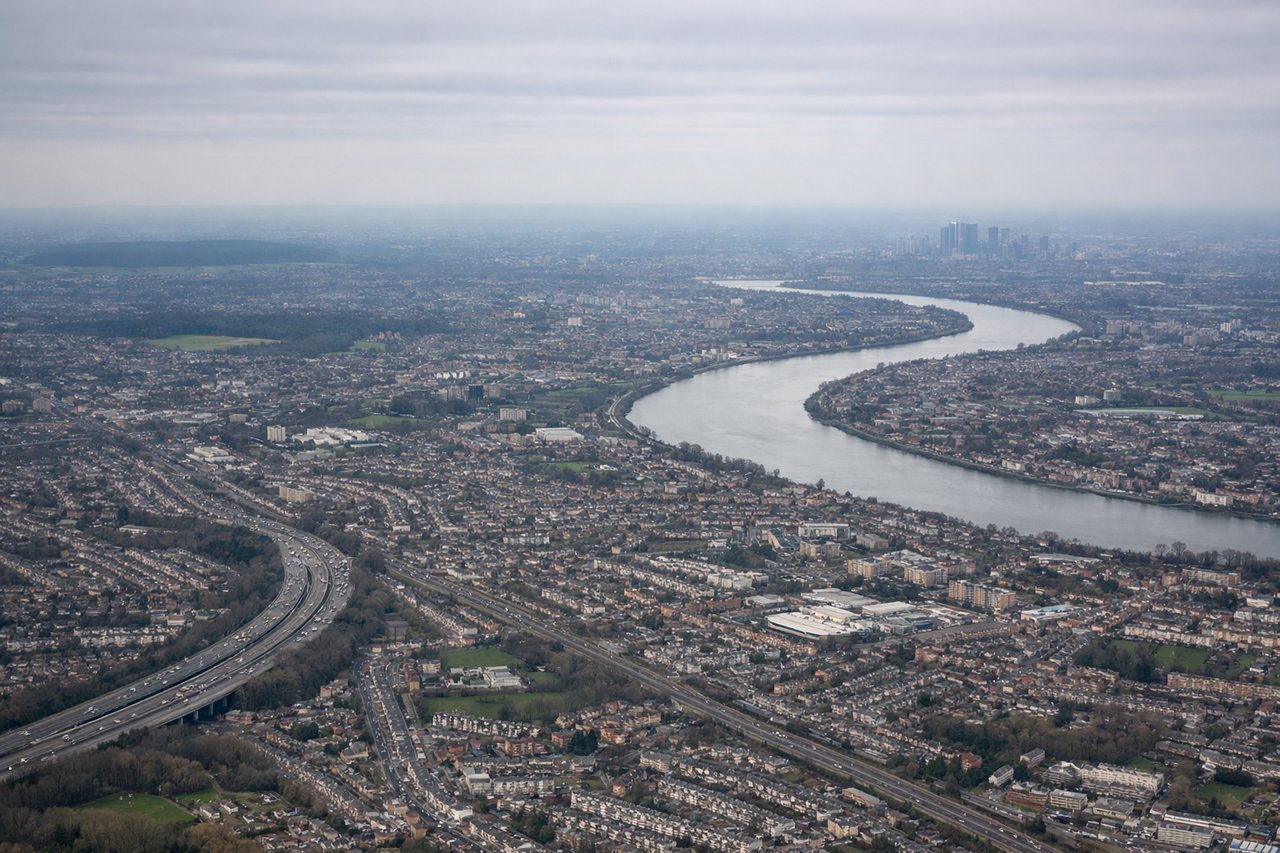
Landing at LHR
LEFTLeft side benefits from the typical westbound approach to Runways 27L/27R (used ~70% of the time), descending over the Andaman Sea and approaching from the west. This provides extended views of Thailand's coastal waters, islands, and the final approach over Phang Nga Bay's dramatic limestone formations. Right side would face inland during eastbound approaches (less common), offering only flat terrain and scattered development.
Will your flight be in sunlight?
Pick a date and time in the Sun Map to watch the sun move across your whole flight.
About This Route
Which side of the plane should I sit on flying from Phuket International (HKT) to Heathrow (LHR)?
Sit on the Left side of the plane for the best views on flights from Phuket to London. Left side scores 3.5 vs right's 2.5 due to consistent access to Thailand's most visually distinctive features: the Andaman Sea coastline, Mai Khao Beach during departure, and the UNESCO-listed Phang Nga Bay limestone karsts during approach. The right side faces inland toward flat central Thai plains with minimal terrain variation or recognizable landmarks throughout the flight. The left side also benefits from typical runway usage patterns at both airports, maximizing scenic exposure during critical phases.
What can I see during takeoff from Phuket International in Phuket?
During takeoff from Phuket International (HKT), sit on the Left side for the best views. Left side captures the Andaman Sea coastline and Mai Khao Beach during the typical westbound departure roll on Runway 09, with immediate views of Thailand's coastal geography. Right side faces inland toward flat central Thai plains with minimal visual interest. Notable sights include: Andaman Sea coastline, Mai Khao Beach, Phang Nga Bay limestone formations (distant), Phuket town harbor.
What can I see when landing at Heathrow in London?
When landing at Heathrow (LHR), sit on the Left side for the best views. Left side benefits from the typical westbound approach to Runways 27L/27R (used ~70% of the time), descending over the Andaman Sea and approaching from the west. This provides extended views of Thailand's coastal waters, islands, and the final approach over Phang Nga Bay's dramatic limestone formations. Right side would face inland during eastbound approaches (less common), offering only flat terrain and scattered development. Notable sights include: Phang Nga Bay limestone karsts, Andaman Sea, Phuket coastline, James Bond Island (Khao Phing Kan).
How long is the flight from Phuket to London?
The flight from Phuket International (HKT) to Heathrow (LHR) takes about 11 hours 15 minutes. The shortest flight path between them is 6,154 miles (9,904 km); winds and air traffic control usually add a few percent.
What does the Phuket to London flight path pass over?
Bay of Bengal, Indian subcontinent (southern tip and eastern coast), Arabian Sea, Persian Gulf, Zagros Mountains (Iran-Iraq border), Mesopotamian plains, Mediterranean Sea, Alps (southern approaches), English Channel, Thames estuary