The right side sweeps up nearly every highlight of this rerouted polar journey: Mount Fuji at departure, the Alaska Range and Greenland's ice sheet during the long cruise, and Canary Wharf's skyline on the London approach — while the left side mostly faces open ocean and flatter Canadian terrain.
Flight Path
With Russian airspace closed, the flight path curves north across the Pacific past the Aleutians, over the Gulf of Alaska and the Alaska Range near Anchorage, across the tundra of northern Canada and Hudson Bay, over Greenland's ice sheet, and past Iceland before descending toward the British Isles.
Great circle distance and headings ›

.jpeg?width=600)
Phase by phase
Takeoff from HND
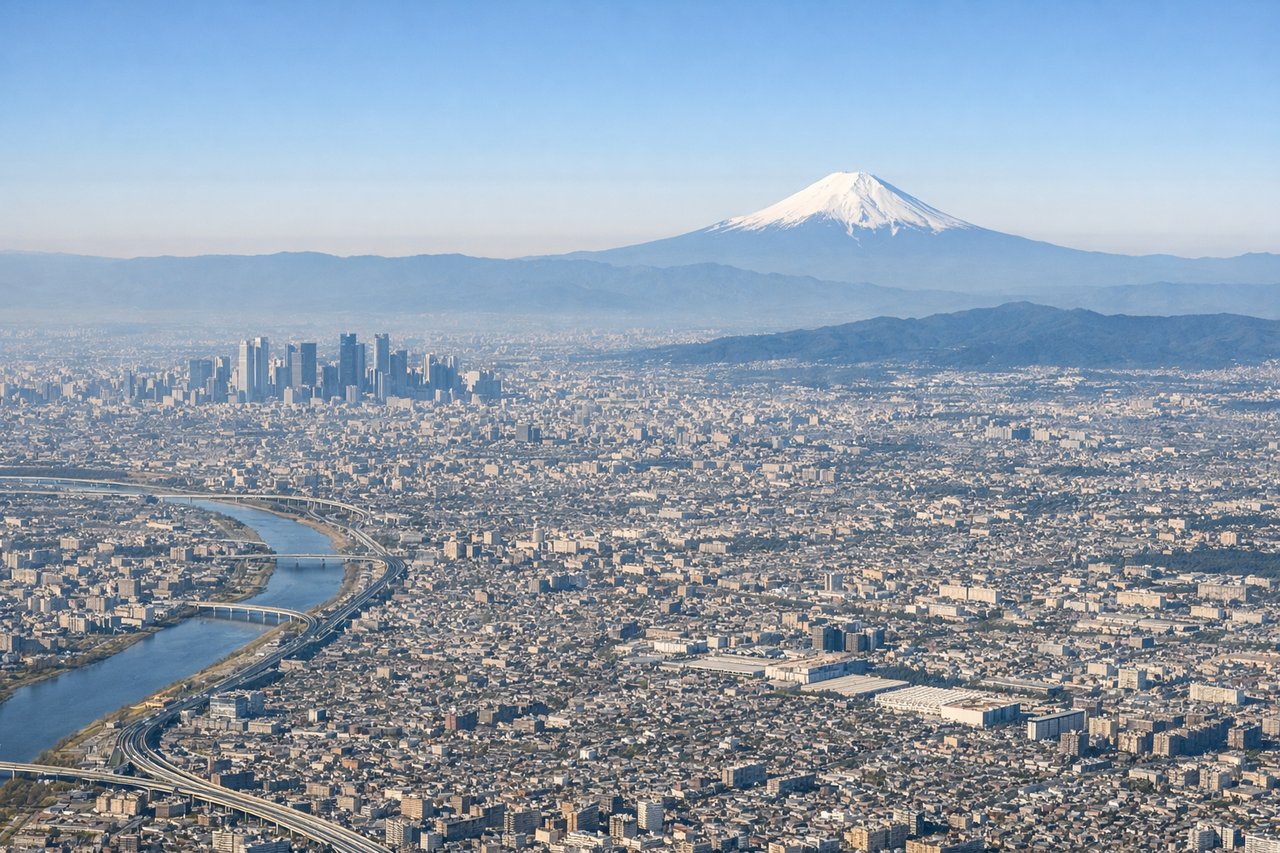
RIGHTHaneda's south-wind departure sends the aircraft out over Tokyo Bay before banking, and during that turn the right side faces southwest — giving a classic glimpse of Mount Fuji's cone above the Yokohama shoreline before the plane heads out over open water.
Landing at LCY
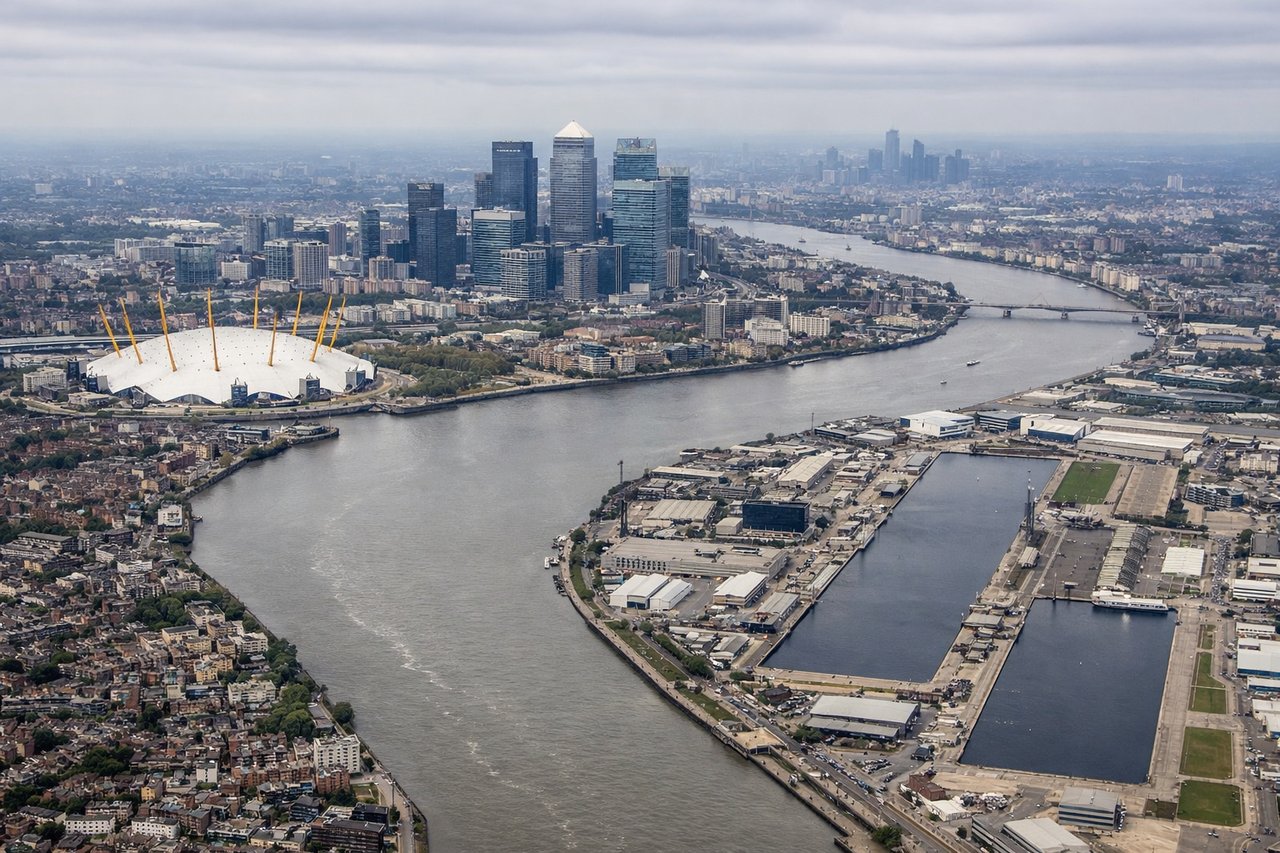
RIGHTLondon City's final approach runs west along the Thames, and the right side of the aircraft faces north across the river toward Canary Wharf's cluster of glass towers and the City of London skyline beyond, a far more dramatic view than the lower-rise south bank.
Landmarks on this routeAll landmarks →
Will your flight be in sunlight?
See exactly which side of the plane gets sun and shade at your departure time.
About This Route
Which side of the plane should I sit on flying from Tokyo International (HND) to City (LCY)?
Sit on the Right side of the plane for the best views on flights from Tokyo to London. The right side sweeps up nearly every highlight of this rerouted polar journey: Mount Fuji at departure, the Alaska Range and Greenland's ice sheet during the long cruise, and Canary Wharf's skyline on the London approach — while the left side mostly faces open ocean and flatter Canadian terrain.
What can I see during takeoff from Tokyo International in Tokyo?
During takeoff from Tokyo International (HND), sit on the Right side for the best views. Haneda's south-wind departure sends the aircraft out over Tokyo Bay before banking, and during that turn the right side faces southwest — giving a classic glimpse of Mount Fuji's cone above the Yokohama shoreline before the plane heads out over open water. Notable sights include: Mount Fuji, Tokyo Bay, Yokohama waterfront, Miura Peninsula.
What can I see when landing at City in London?
When landing at City (LCY), sit on the Right side for the best views. London City's final approach runs west along the Thames, and the right side of the aircraft faces north across the river toward Canary Wharf's cluster of glass towers and the City of London skyline beyond, a far more dramatic view than the lower-rise south bank. Notable sights include: Canary Wharf towers, River Thames, City of London skyline, Isle of Dogs.
How long is the flight from Tokyo to London?
The flight from Tokyo International (HND) to City (LCY) takes 14h 35m.
What does the Tokyo to London flight path pass over?
With Russian airspace closed, the flight path curves north across the Pacific past the Aleutians, over the Gulf of Alaska and the Alaska Range near Anchorage, across the tundra of northern Canada and Hudson Bay, over Greenland's ice sheet, and past Iceland before descending toward the British Isles.