Istanbul to Antalya is 322 miles (518 km), a flight of about 1 hour 15 minutes.
The left side captures both the Istanbul cityscape and Marmara islands at takeoff and the dramatic Taurus Mountains during the Antalya approach, giving it clearly more visual variety and drama than the right side's plainer plateau views.
Flight Path
Anatolian plateau farmland, Lake Eğirdir, and the northern foothills of the Taurus Mountains as the route crosses into the Antalya basin
Great circle distance and headings ›Phase by phase
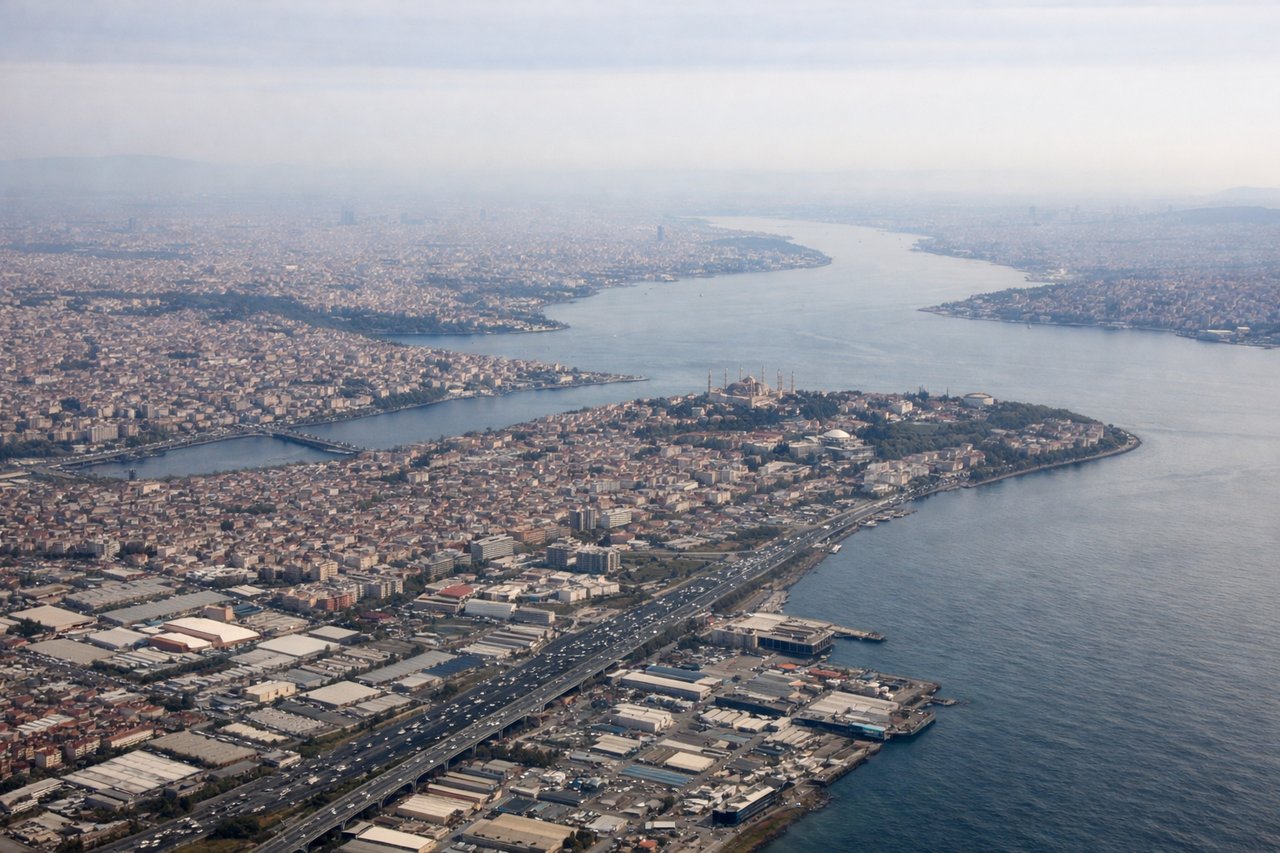
Takeoff from IST
LEFTDeparting IST southbound, the historic Istanbul peninsula, the Bosphorus mouth, and the Sea of Marmara's Princes' Islands sit to the left of the aircraft as it climbs. The right side mostly shows the flat Thracian countryside with little to distinguish it.
Landing at AYT
LEFTOn approach into Antalya from the north, the jagged limestone peaks of the Taurus Mountains rise close on the left side as the aircraft descends toward the coastal plain. The right side faces mostly inland plateau with less relief until very close to landing.
Landmarks on this routeAll landmarks →
Will your flight be in sunlight?
Pick a date and time in the Sun Map to watch the sun move across your whole flight.
About This Route
Which side of the plane should I sit on flying from İstanbul Airport (IST) to Antalya (AYT)?
Sit on the Left side of the plane for the best views on flights from Istanbul to Antalya. The left side captures both the Istanbul cityscape and Marmara islands at takeoff and the dramatic Taurus Mountains during the Antalya approach, giving it clearly more visual variety and drama than the right side's plainer plateau views.
What can I see during takeoff from İstanbul Airport in Istanbul?
During takeoff from İstanbul Airport (IST), sit on the Left side for the best views. Departing IST southbound, the historic Istanbul peninsula, the Bosphorus mouth, and the Sea of Marmara's Princes' Islands sit to the left of the aircraft as it climbs. The right side mostly shows the flat Thracian countryside with little to distinguish it. Notable sights include: Bosphorus strait, Istanbul historic peninsula (Topkapı/Hagia Sophia area), Princes' Islands, Sea of Marmara.
What can I see when landing at Antalya in Antalya?
When landing at Antalya (AYT), sit on the Left side for the best views. On approach into Antalya from the north, the jagged limestone peaks of the Taurus Mountains rise close on the left side as the aircraft descends toward the coastal plain. The right side faces mostly inland plateau with less relief until very close to landing. Notable sights include: Taurus Mountains, Antalya coastal plain, Gulf of Antalya, Termessos ridge foothills.
How long is the flight from Istanbul to Antalya?
The flight from İstanbul Airport (IST) to Antalya (AYT) takes about 1 hour 15 minutes. The shortest flight path between them is 322 miles (518 km); winds and air traffic control usually add a few percent.
What does the Istanbul to Antalya flight path pass over?
Anatolian plateau farmland, Lake Eğirdir, and the northern foothills of the Taurus Mountains as the route crosses into the Antalya basin