Right-side seats capture the dramatic Red Sea departure scenery and provide better views during the long oceanic crossing. While left seats excel at landing, the takeoff experience over the Red Sea and Hijaz Mountains offers more compelling visual interest than the final approach alone.
Flight Path
Arabian Sea (open water with occasional shipping lanes visible), Socotra Island (if visible on southern route—distinctive Y-shaped island with arid terrain), transition from Arabian Peninsula to Indian Ocean basin, scattered cumulus cloud formations over warm tropical waters
Great circle distance and headings ›.jpg?width=600)
.jpg?width=600)
Phase by phase
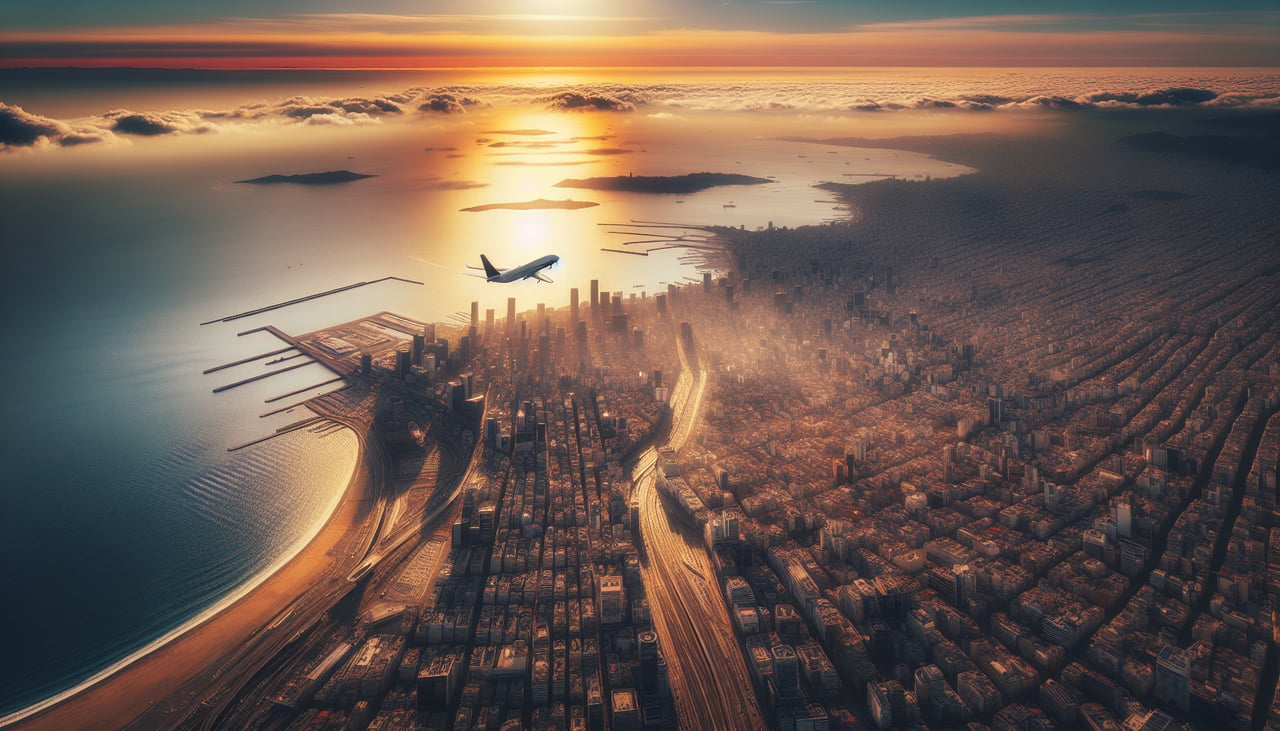
Takeoff from JED
RIGHTRight-side seats offer views of the Red Sea coastline and the Hijaz Mountains as the aircraft climbs southwestward from Jeddah. The terrain rises dramatically inland, creating strong visual contrast against the coastal plain.
Landing at MRU
LEFTLeft-side seats provide excellent views of Mauritius's distinctive topography during descent. The island's volcanic peaks, central plateau, and surrounding coral reef system are all visible as the aircraft approaches from the northeast.
Landmarks on this routeAll landmarks →
Will your flight be in sunlight?
See exactly which side of the plane gets sun and shade at your departure time.
About This Route
Which side of the plane should I sit on flying from King Abdulaziz International (JED) to Sir Seewoosagur Ramgoolam International (MRU)?
Sit on the Right side of the plane for the best views on flights from Jeddah to Plaisance. Right-side seats capture the dramatic Red Sea departure scenery and provide better views during the long oceanic crossing. While left seats excel at landing, the takeoff experience over the Red Sea and Hijaz Mountains offers more compelling visual interest than the final approach alone.
What can I see during takeoff from King Abdulaziz International in Jeddah?
During takeoff from King Abdulaziz International (JED), sit on the Right side for the best views. Right-side seats offer views of the Red Sea coastline and the Hijaz Mountains as the aircraft climbs southwestward from Jeddah. The terrain rises dramatically inland, creating strong visual contrast against the coastal plain. Notable sights include: Red Sea coastline, Hijaz Mountains (eastern escarpment), Jeddah urban sprawl, coral reef patterns in shallow waters.
What can I see when landing at Sir Seewoosagur Ramgoolam International in Plaisance?
When landing at Sir Seewoosagur Ramgoolam International (MRU), sit on the Left side for the best views. Left-side seats provide excellent views of Mauritius's distinctive topography during descent. The island's volcanic peaks, central plateau, and surrounding coral reef system are all visible as the aircraft approaches from the northeast. Notable sights include: Piton de la Petite Rivière Noire (southwestern peak), central plateau terrain, coral reef lagoon system, Port Louis harbor area.
How long is the flight from Jeddah to Plaisance?
The flight from King Abdulaziz International (JED) to Sir Seewoosagur Ramgoolam International (MRU) takes 6h 50m.
What does the Jeddah to Plaisance flight path pass over?
Arabian Sea (open water with occasional shipping lanes visible), Socotra Island (if visible on southern route—distinctive Y-shaped island with arid terrain), transition from Arabian Peninsula to Indian Ocean basin, scattered cumulus cloud formations over warm tropical waters