Left side wins at both ends of the flight. Over the Atlantic and Mediterranean the views are largely ocean, but as the route tracks over Egypt and the Nile Valley, the left side also offers better angles on the Nile Delta and the Egyptian desert landscape. Combined with the superior takeoff and landing views, left is the clear choice for the whole journey.
Flown JFK to ADD? Did we get it right?
Flight Path
New York to Addis Ababa is 6,960 miles (11,200 km), a flight of about 13 hours 30 minutes.
The route typically tracks northeast across the Atlantic toward the UK or Iberian Peninsula, then southeast across the Mediterranean, overflying or skirting Egypt and the Nile Delta, crossing the Red Sea near Djibouti or Eritrea, then descending over the Ethiopian Highlands into Addis Ababa. Key geographic features include the Nile Delta visible as a green triangle against the Sahara, the Red Sea's narrow blue corridor, and the dramatic escarpment of the Ethiopian Highlands rising from the Afar lowlands.
Great circle distance and headings ›


Phase by phase
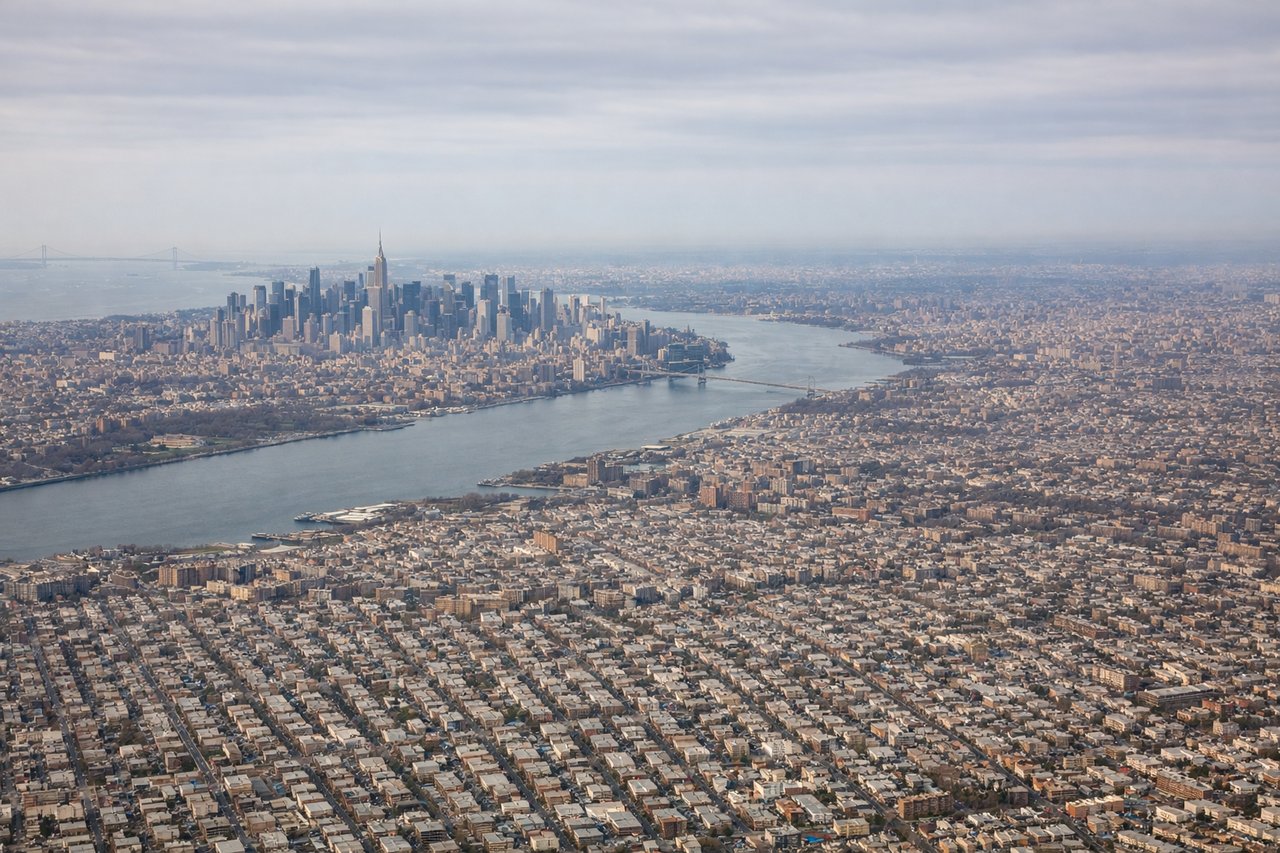
Takeoff from JFK
LEFTJFK departures heading east on runway 13L/13R put Manhattan and the full New York harbor on the left side. You get a sweeping view of Lower Manhattan, the Verrazano-Narrows Bridge, and Brooklyn below before climbing out over the Atlantic. Right side faces south toward the Rockaways and open ocean with little of interest.
Landing at ADD
LEFTBole International typically uses runway 07 for arrivals from the west, meaning the approach track comes in from the southwest. The left side faces north toward the Entoto Hills and the dense urban spread of Addis Ababa, which is far more visually interesting than the flat scrubland to the south on the right side.
Will your flight be in sunlight?
Pick a date and time in the Sun Map to watch the sun move across your whole flight.
About This Route
Which side of the plane should I sit on flying from John F Kennedy International (JFK) to Bole International (ADD)?
Sit on the Left side of the plane for the best views on flights from New York to Addis Ababa. Left side wins at both ends of the flight. Over the Atlantic and Mediterranean the views are largely ocean, but as the route tracks over Egypt and the Nile Valley, the left side also offers better angles on the Nile Delta and the Egyptian desert landscape. Combined with the superior takeoff and landing views, left is the clear choice for the whole journey.
What can I see during takeoff from John F Kennedy International in New York?
During takeoff from John F Kennedy International (JFK), sit on the Left side for the best views. JFK departures heading east on runway 13L/13R put Manhattan and the full New York harbor on the left side. You get a sweeping view of Lower Manhattan, the Verrazano-Narrows Bridge, and Brooklyn below before climbing out over the Atlantic. Right side faces south toward the Rockaways and open ocean with little of interest. Notable sights include: Manhattan skyline, Verrazano-Narrows Bridge, Jamaica Bay, Brooklyn waterfront.
What can I see when landing at Bole International in Addis Ababa?
When landing at Bole International (ADD), sit on the Left side for the best views. Bole International typically uses runway 07 for arrivals from the west, meaning the approach track comes in from the southwest. The left side faces north toward the Entoto Hills and the dense urban spread of Addis Ababa, which is far more visually interesting than the flat scrubland to the south on the right side. Notable sights include: Entoto Hills, Addis Ababa city center, Akaki River valley, eucalyptus-covered hillsides.
How long is the flight from New York to Addis Ababa?
The flight from John F Kennedy International (JFK) to Bole International (ADD) takes about 13 hours 30 minutes. The shortest flight path between them is 6,960 miles (11,200 km); winds and air traffic control usually add a few percent.
What does the New York to Addis Ababa flight path pass over?
The route typically tracks northeast across the Atlantic toward the UK or Iberian Peninsula, then southeast across the Mediterranean, overflying or skirting Egypt and the Nile Delta, crossing the Red Sea near Djibouti or Eritrea, then descending over the Ethiopian Highlands into Addis Ababa. Key geographic features include the Nile Delta visible as a green triangle against the Sahara, the Red Sea's narrow blue corridor, and the dramatic escarpment of the Ethiopian Highlands rising from the Afar lowlands.