Left side scores higher due to the dramatic NYC departure with iconic urban landmarks and immediate transition into Appalachian terrain, combined with the entire cruise phase over the Great Lakes, Canadian Shield, and boreal forests of increasing visual interest. Right side's landing approach over the Tanana River is scenic but cannot overcome the monotonous cruise phase over central Canada and the Arctic, which lacks the terrain variety and landmark density of the left-side route.
Flown JFK to FAI? Did we get it right?
Flight Path
New York to Fairbanks is 3,269 miles (5,261 km), a flight of about 5 hours 45 minutes.
Great Lakes (Superior, Michigan, Huron visible on left side during cruise), Canadian Shield with lakes and boreal forest, Hudson Bay region, Mackenzie River valley, Yukon Territory mountains and river systems, transition from temperate forest to Arctic tundra
Great circle distance and headings ›

Phase by phase
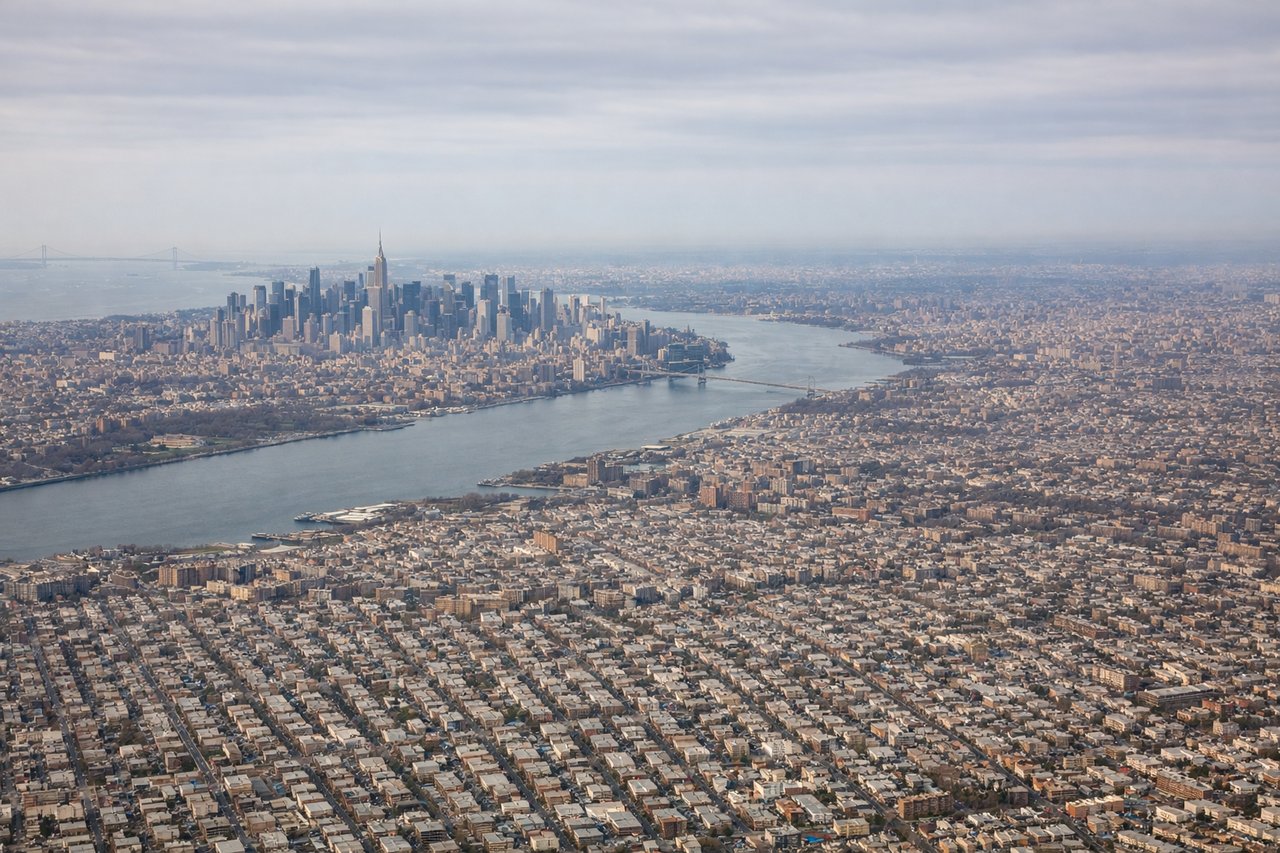
Takeoff from JFK
LEFTLeft side captures the NYC metropolitan area during departure, including Manhattan's skyline, the Hudson River, and the East River. The Appalachian foothills become visible as the aircraft climbs westward, providing immediate terrain drama absent on the right side.
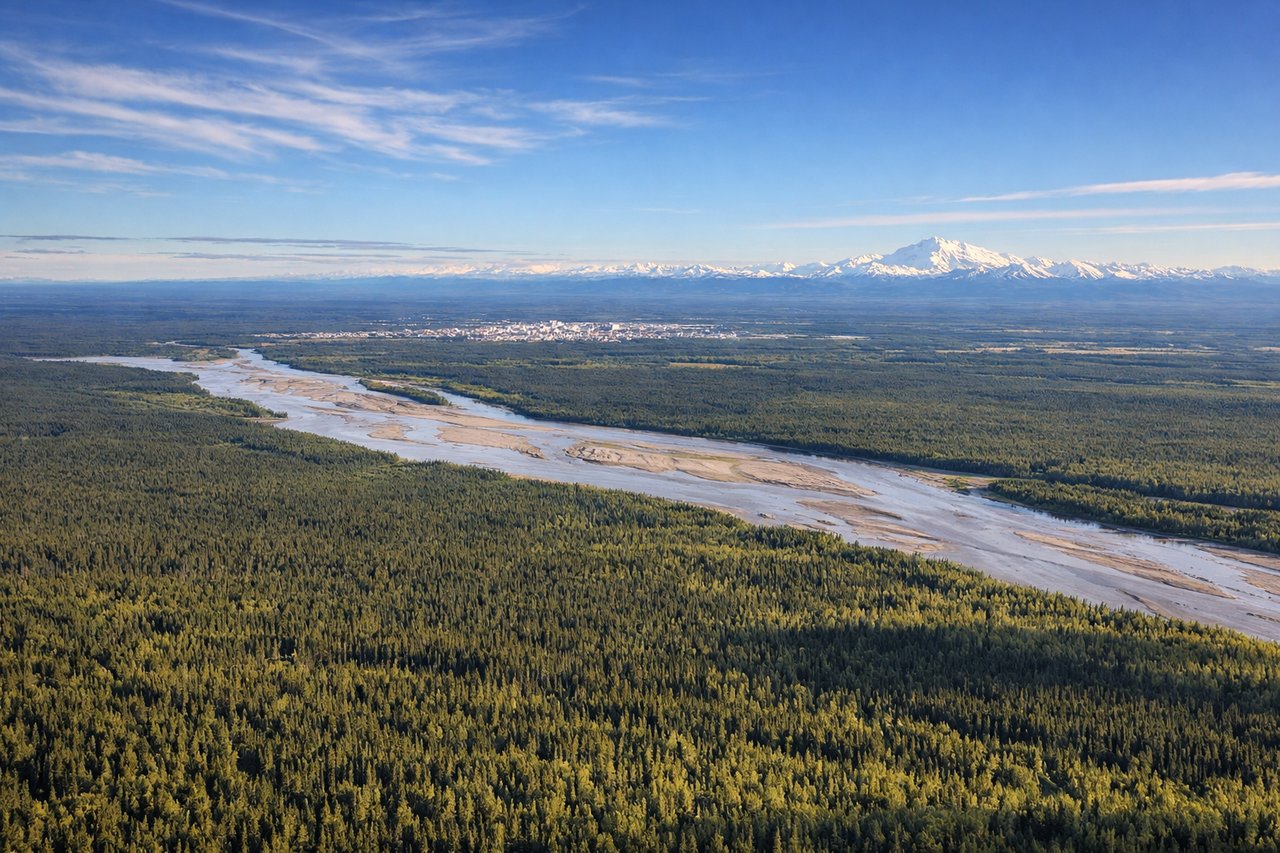
Landing at FAI
RIGHTRight side offers the approach into Fairbanks over the Tanana River valley and the Alaska Range foothills. The terrain transitions from boreal forest to tundra, and the Tanana River is a distinctive landmark during descent. Left side would show similar terrain but lacks the river's visual prominence on approach.
Will your flight be in sunlight?
Pick a date and time in the Sun Map to watch the sun move across your whole flight.
About This Route
Which side of the plane should I sit on flying from John F Kennedy International (JFK) to Fairbanks International (FAI)?
Sit on the Left side of the plane for the best views on flights from New York to Fairbanks. Left side scores higher due to the dramatic NYC departure with iconic urban landmarks and immediate transition into Appalachian terrain, combined with the entire cruise phase over the Great Lakes, Canadian Shield, and boreal forests of increasing visual interest. Right side's landing approach over the Tanana River is scenic but cannot overcome the monotonous cruise phase over central Canada and the Arctic, which lacks the terrain variety and landmark density of the left-side route.
What can I see during takeoff from John F Kennedy International in New York?
During takeoff from John F Kennedy International (JFK), sit on the Left side for the best views. Left side captures the NYC metropolitan area during departure, including Manhattan's skyline, the Hudson River, and the East River. The Appalachian foothills become visible as the aircraft climbs westward, providing immediate terrain drama absent on the right side. Notable sights include: Manhattan skyline and Hudson River, East River and Queens neighborhoods, Appalachian ridge lines to the northwest.
What can I see when landing at Fairbanks International in Fairbanks?
When landing at Fairbanks International (FAI), sit on the Right side for the best views. Right side offers the approach into Fairbanks over the Tanana River valley and the Alaska Range foothills. The terrain transitions from boreal forest to tundra, and the Tanana River is a distinctive landmark during descent. Left side would show similar terrain but lacks the river's visual prominence on approach. Notable sights include: Tanana River valley, Alaska Range foothills to the south, boreal forest and tundra transition zone, Fairbanks city lights and runway approach.
How long is the flight from New York to Fairbanks?
The flight from John F Kennedy International (JFK) to Fairbanks International (FAI) takes about 5 hours 45 minutes. The shortest flight path between them is 3,269 miles (5,261 km); winds and air traffic control usually add a few percent.
What does the New York to Fairbanks flight path pass over?
Great Lakes (Superior, Michigan, Huron visible on left side during cruise), Canadian Shield with lakes and boreal forest, Hudson Bay region, Mackenzie River valley, Yukon Territory mountains and river systems, transition from temperate forest to Arctic tundra