New York to Lome is 5,158 miles (8,300 km), a flight of about 10 hours.
While the takeoff from JFK favors the left, the landing approach into Lome is significantly more scenic from the right, and the landing experience dominates the passenger memory of this long transatlantic route. Right seats win overall for the Gulf of Guinea coastal views.
Flight Path
This route crosses the Atlantic Ocean for roughly 4,000 nautical miles. The midpoint occurs over open Atlantic with no visible landmarks. Notable geographic features along the actual flight path include: the eastern seaboard of North America (visible during climb-out), the Mid-Atlantic Ridge (underwater, not visible), the western coast of Africa approaching Togo (visible during descent), and the transition from temperate to tropical ocean waters. The flight typically follows a great-circle route southeastward, passing well north of the Caribbean and south of the Azores. Approaching West Africa, the Sahara Desert's southern edge and coastal vegetation become visible, though most of the flight is over open ocean with no distinctive visual landmarks.
Great circle distance and headings ›.jpg?width=600)

Phase by phase
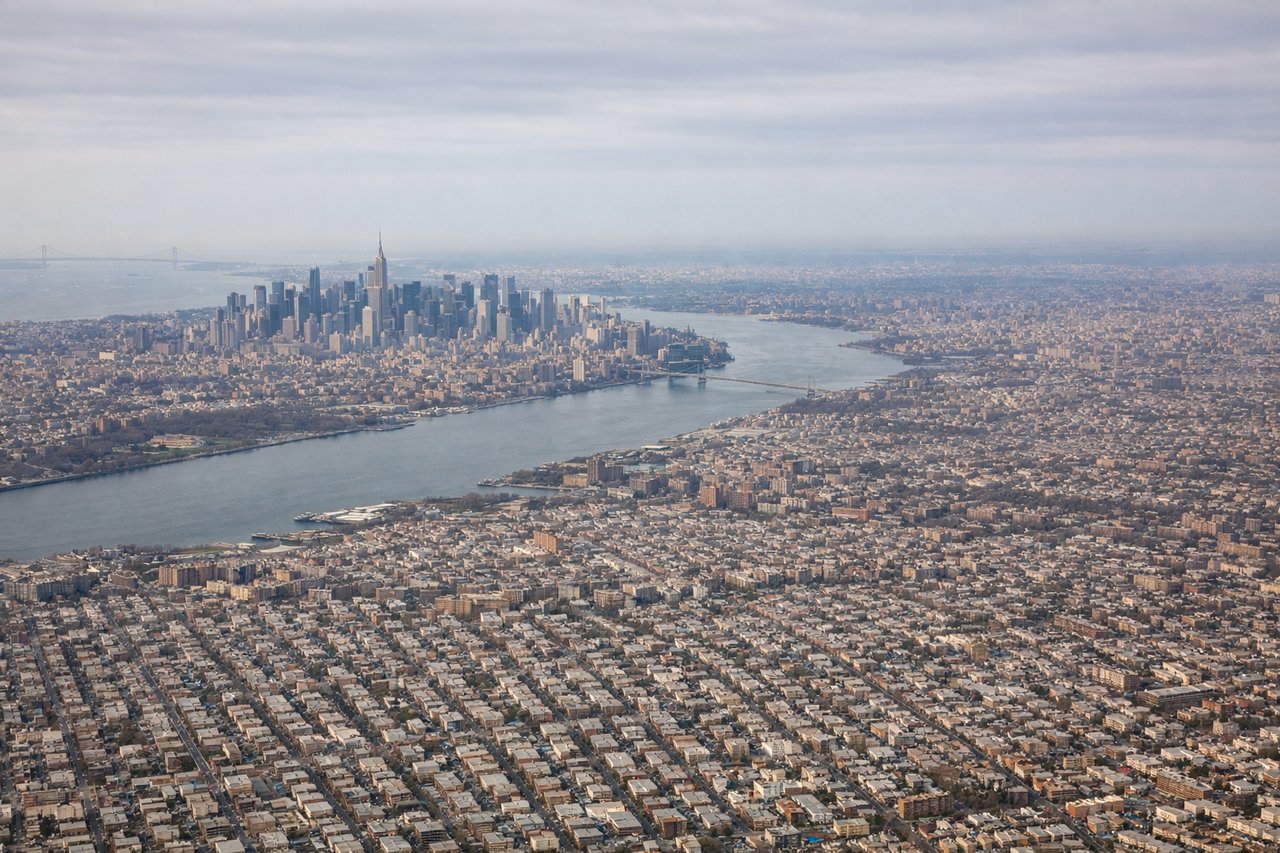
Takeoff from JFK
LEFTLeft seats offer views of the Atlantic coastline and Long Island Sound as the aircraft climbs out over New York. You'll see the Manhattan skyline receding, followed by the Connecticut coast and open Atlantic—the most visually interesting departure corridor from JFK.
Landing at LFW
RIGHTRight seats provide views of the Gulf of Guinea coastline and Lome's urban sprawl as you descend into Tokoin Airport. The Atlantic coast and the city's beachfront development are most visible from the right side during final approach from the southwest.
Landmarks on this routeAll landmarks →
Will your flight be in sunlight?
Pick a date and time in the Sun Map to watch the sun move across your whole flight.
About This Route
Which side of the plane should I sit on flying from John F Kennedy International (JFK) to Lome Tokoin (LFW)?
Sit on the Right side of the plane for the best views on flights from New York to Lome. While the takeoff from JFK favors the left, the landing approach into Lome is significantly more scenic from the right, and the landing experience dominates the passenger memory of this long transatlantic route. Right seats win overall for the Gulf of Guinea coastal views.
What can I see during takeoff from John F Kennedy International in New York?
During takeoff from John F Kennedy International (JFK), sit on the Left side for the best views. Left seats offer views of the Atlantic coastline and Long Island Sound as the aircraft climbs out over New York. You'll see the Manhattan skyline receding, followed by the Connecticut coast and open Atlantic—the most visually interesting departure corridor from JFK. Notable sights include: Manhattan skyline, Long Island Sound, Connecticut coastline, Atlantic Ocean.
What can I see when landing at Lome Tokoin in Lome?
When landing at Lome Tokoin (LFW), sit on the Right side for the best views. Right seats provide views of the Gulf of Guinea coastline and Lome's urban sprawl as you descend into Tokoin Airport. The Atlantic coast and the city's beachfront development are most visible from the right side during final approach from the southwest. Notable sights include: Gulf of Guinea coastline, Lome city waterfront, Atlantic beaches, Togo-Ghana border region.
How long is the flight from New York to Lome?
The flight from John F Kennedy International (JFK) to Lome Tokoin (LFW) takes about 10 hours. The shortest flight path between them is 5,158 miles (8,300 km); winds and air traffic control usually add a few percent.
What does the New York to Lome flight path pass over?
This route crosses the Atlantic Ocean for roughly 4,000 nautical miles. The midpoint occurs over open Atlantic with no visible landmarks. Notable geographic features along the actual flight path include: the eastern seaboard of North America (visible during climb-out), the Mid-Atlantic Ridge (underwater, not visible), the western coast of Africa approaching Togo (visible during descent), and the transition from temperate to tropical ocean waters. The flight typically follows a great-circle route southeastward, passing well north of the Caribbean and south of the Azores. Approaching West Africa, the Sahara Desert's southern edge and coastal vegetation become visible, though most of the flight is over open ocean with no distinctive visual landmarks.