While takeoff favors the left side with NYC scenery, the landing experience on the right side—descending over Tahiti's dramatic turquoise lagoon and volcanic landscape—is significantly more visually distinctive and memorable. The lagoon and reef system provide genuine scenic drama that outweighs the urban takeoff advantage. Both sides score equally for the 13+ hours of mid-Pacific cruise (open ocean dominates both), but the landing experience tips the overall score to the right.
Flown JFK to PPT? Did we get it right?
Flight Path
New York to Papeete is 6,295 miles (10,130 km), a flight of about 13 hours 45 minutes.
The flight path crosses the North Pacific, passing south of the Aleutian Islands and north of Hawaii. Passengers may glimpse the Hawaiian Islands (Big Island, Maui) from altitude during the southern portion of cruise if weather permits, though this is not guaranteed. The vast majority of the flight is open ocean with no visible landmarks. As the aircraft approaches French Polynesia, the Society Islands chain becomes visible, with Tahiti and Moorea appearing as distinct volcanic peaks on the horizon before descent begins.
Great circle distance and headings ›


Phase by phase
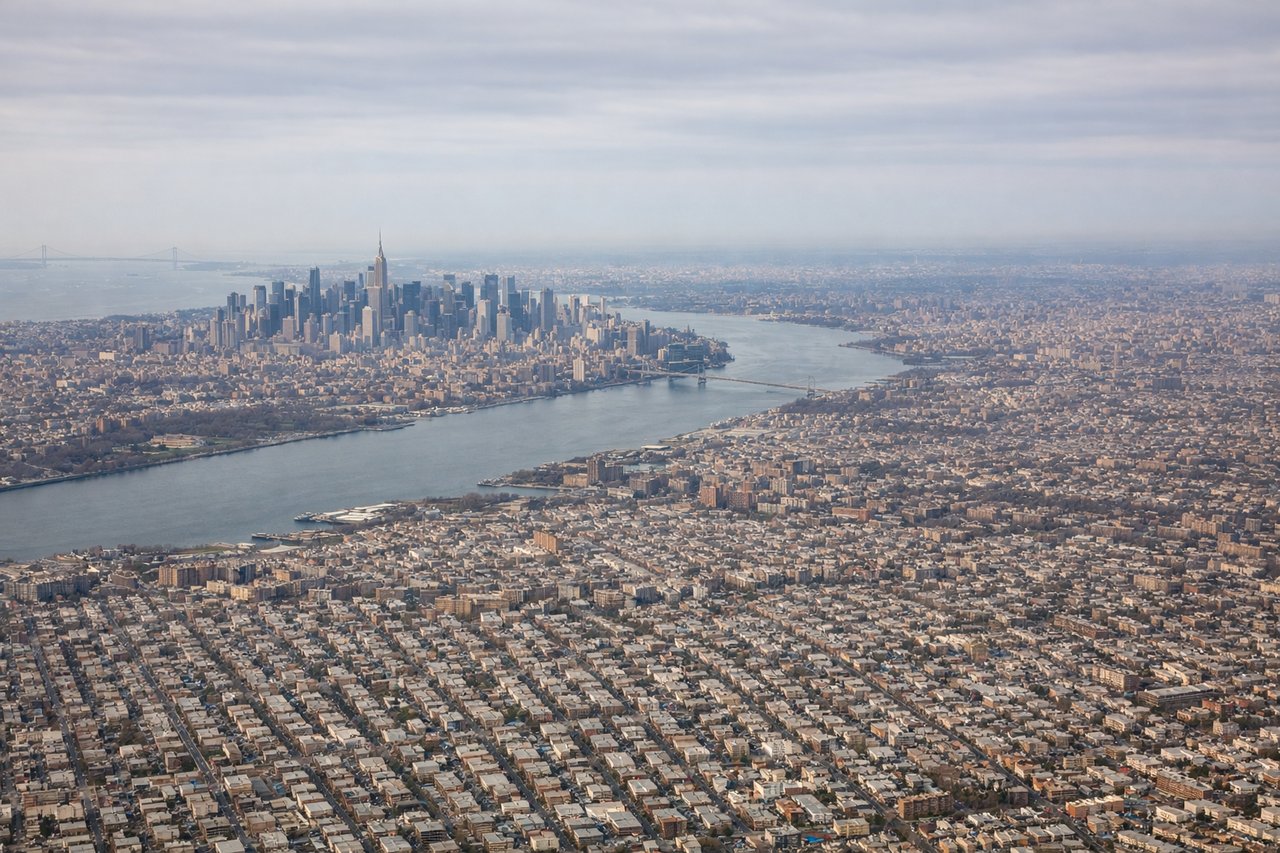
Takeoff from JFK
LEFTLeft side (north/northwest) captures the NYC metropolitan area during initial climb, including Manhattan's skyline, the Hudson River, and the Palisades. Right side faces open Atlantic immediately after rotation.
Landing at PPT
RIGHTRight side (north/northeast) provides the scenic approach over Tahiti's lagoon and reef system as aircraft descends toward runway 04. The turquoise lagoon, coral reef barrier, and volcanic peaks of Tahiti dominate. Left side faces open Pacific.
Will your flight be in sunlight?
Pick a date and time in the Sun Map to watch the sun move across your whole flight.
About This Route
Which side of the plane should I sit on flying from John F Kennedy International (JFK) to Fa'a'ā International Airport (PPT)?
Sit on the Right side of the plane for the best views on flights from New York to Papeete. While takeoff favors the left side with NYC scenery, the landing experience on the right side—descending over Tahiti's dramatic turquoise lagoon and volcanic landscape—is significantly more visually distinctive and memorable. The lagoon and reef system provide genuine scenic drama that outweighs the urban takeoff advantage. Both sides score equally for the 13+ hours of mid-Pacific cruise (open ocean dominates both), but the landing experience tips the overall score to the right.
What can I see during takeoff from John F Kennedy International in New York?
During takeoff from John F Kennedy International (JFK), sit on the Left side for the best views. Left side (north/northwest) captures the NYC metropolitan area during initial climb, including Manhattan's skyline, the Hudson River, and the Palisades. Right side faces open Atlantic immediately after rotation. Notable sights include: Manhattan skyline and East River, Hudson River valley, New Jersey Palisades, Long Island Sound.
What can I see when landing at Fa'a'ā International Airport in Papeete?
When landing at Fa'a'ā International Airport (PPT), sit on the Right side for the best views. Right side (north/northeast) provides the scenic approach over Tahiti's lagoon and reef system as aircraft descends toward runway 04. The turquoise lagoon, coral reef barrier, and volcanic peaks of Tahiti dominate. Left side faces open Pacific. Notable sights include: Tahiti's volcanic peaks (Mount Orohena visible on clear days), turquoise lagoon and coral reef barrier, Papeete harbor and waterfront, smaller islands of the Society Islands chain.
How long is the flight from New York to Papeete?
The flight from John F Kennedy International (JFK) to Fa'a'ā International Airport (PPT) takes about 13 hours 45 minutes. The shortest flight path between them is 6,295 miles (10,130 km); winds and air traffic control usually add a few percent.
What does the New York to Papeete flight path pass over?
The flight path crosses the North Pacific, passing south of the Aleutian Islands and north of Hawaii. Passengers may glimpse the Hawaiian Islands (Big Island, Maui) from altitude during the southern portion of cruise if weather permits, though this is not guaranteed. The vast majority of the flight is open ocean with no visible landmarks. As the aircraft approaches French Polynesia, the Society Islands chain becomes visible, with Tahiti and Moorea appearing as distinct volcanic peaks on the horizon before descent begins.