Left side wins at both ends of the flight. The Manhattan departure view is one of the most iconic in commercial aviation, and the left side on approach to Stansted gives the better angle toward London and the Thames Estuary. Over the Atlantic the views are similar on both sides, so the departure and arrival experiences tip the balance decisively left.
Flight Path
The flight tracks northeast over Long Island Sound, then crosses the tip of Nova Scotia or Newfoundland depending on the North Atlantic Track system routing. The southern tip of Greenland may be visible to the north. The route then crosses the North Atlantic, passing south of Iceland, before making landfall over Ireland — Shannon area — then crossing Wales or the English Midlands before descending into Stansted from the northeast.
Great circle distance and headings ›.jpg?width=600)
.jpg?width=600)
.jpeg?width=600)

Phase by phase
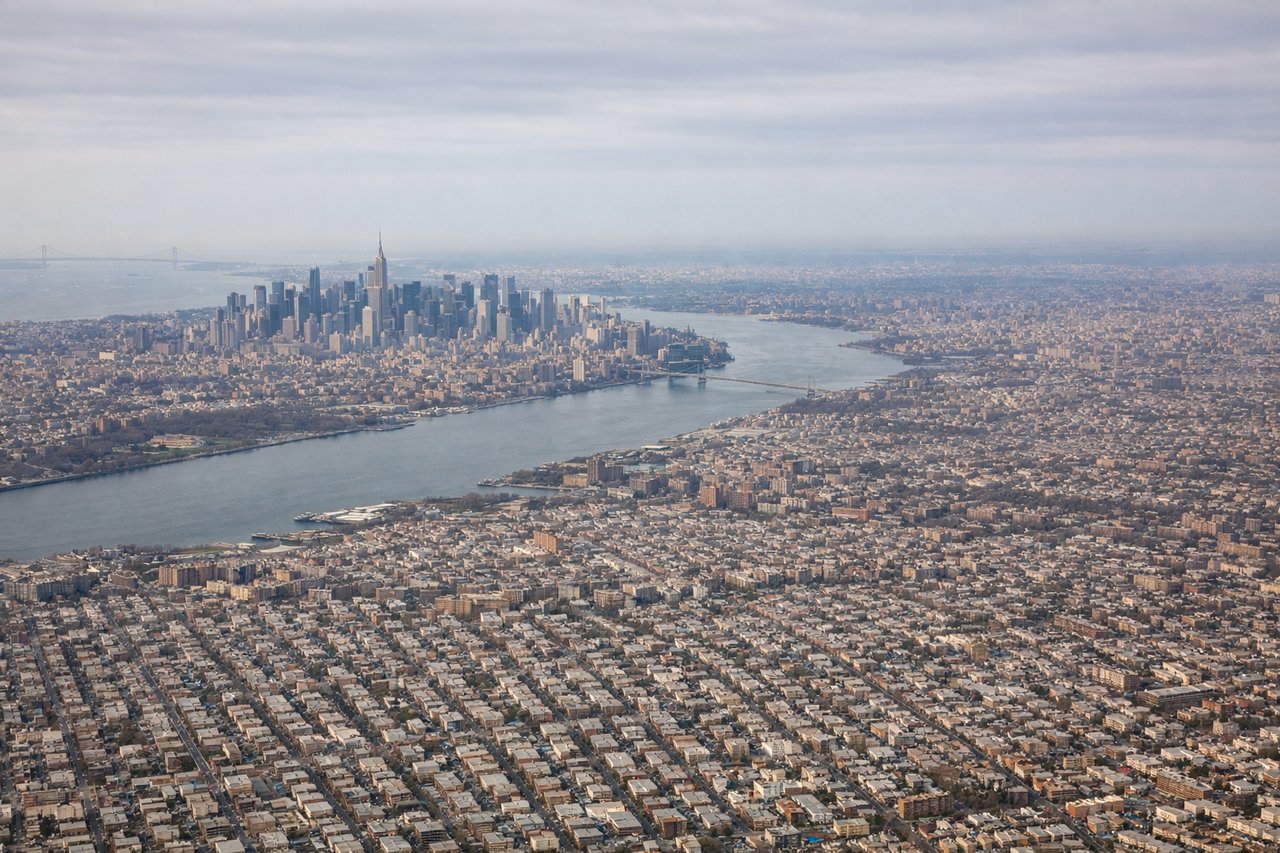
Takeoff from JFK
LEFTJFK departures heading northeast on runway 31L/31R put Manhattan directly to the left. You get a clear view of the entire Manhattan skyline, the East River crossings, and the harbor as the aircraft climbs out over Jamaica Bay and turns north.
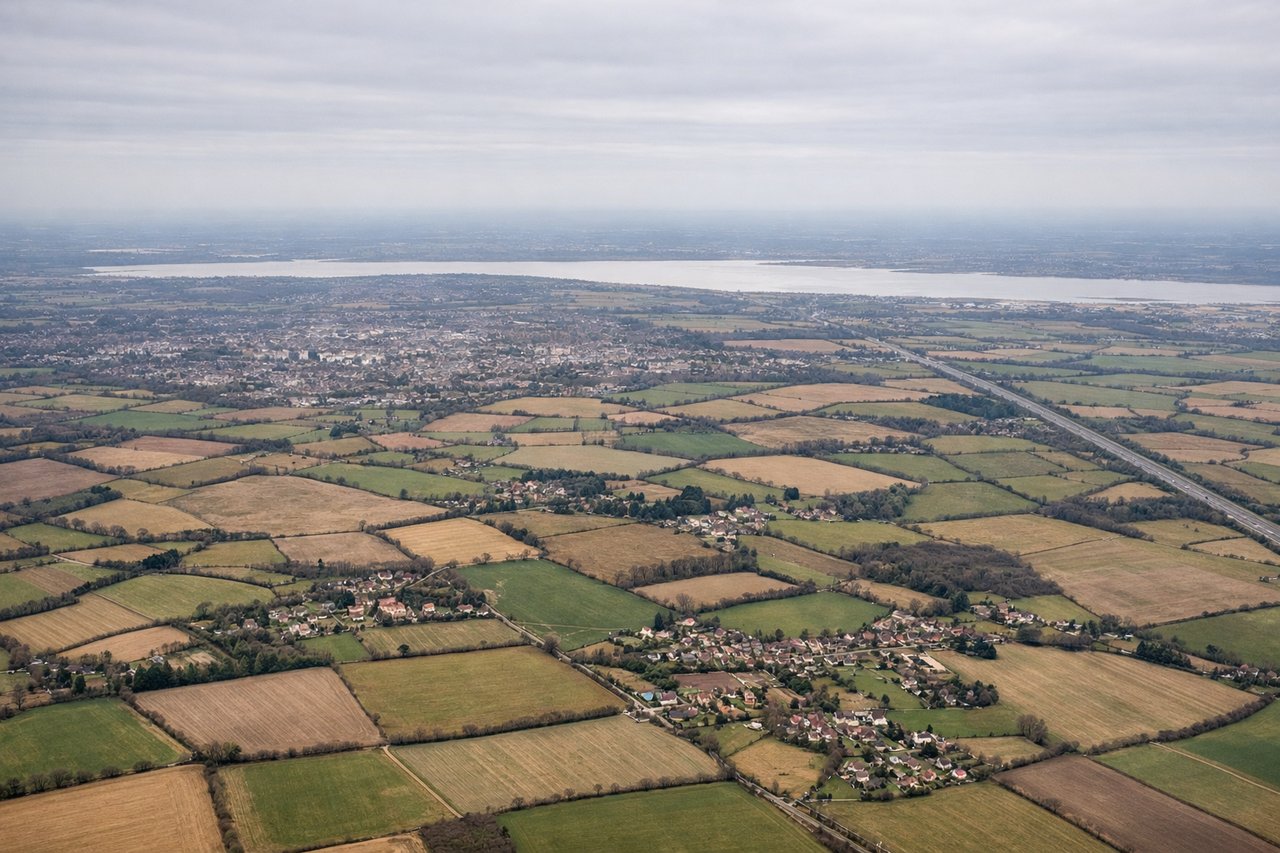
Landing at STN
LEFTStansted sits northeast of London, and aircraft typically approach from the northeast on runway 22, meaning the left side faces southeast toward central London. On approach you can see the Thames Estuary, the M25 corridor, and on clear days the London skyline in the far distance to the left.
Landmarks on this routeAll landmarks →
Will your flight be in sunlight?
See exactly which side of the plane gets sun and shade at your departure time.
About This Route
Which side of the plane should I sit on flying from John F Kennedy International (JFK) to Stansted (STN)?
Sit on the Left side of the plane for the best views on flights from New York to London. Left side wins at both ends of the flight. The Manhattan departure view is one of the most iconic in commercial aviation, and the left side on approach to Stansted gives the better angle toward London and the Thames Estuary. Over the Atlantic the views are similar on both sides, so the departure and arrival experiences tip the balance decisively left.
What can I see during takeoff from John F Kennedy International in New York?
During takeoff from John F Kennedy International (JFK), sit on the Left side for the best views. JFK departures heading northeast on runway 31L/31R put Manhattan directly to the left. You get a clear view of the entire Manhattan skyline, the East River crossings, and the harbor as the aircraft climbs out over Jamaica Bay and turns north. Notable sights include: Manhattan skyline, Verrazano-Narrows Bridge, Jamaica Bay, East River bridges (Brooklyn, Manhattan, Williamsburg).
What can I see when landing at Stansted in London?
When landing at Stansted (STN), sit on the Left side for the best views. Stansted sits northeast of London, and aircraft typically approach from the northeast on runway 22, meaning the left side faces southeast toward central London. On approach you can see the Thames Estuary, the M25 corridor, and on clear days the London skyline in the far distance to the left. Notable sights include: Thames Estuary, M25 motorway corridor, Chelmsford urban area, Lee Valley reservoirs.
How long is the flight from New York to London?
The flight from John F Kennedy International (JFK) to Stansted (STN) takes Approximately 7 hours.
What does the New York to London flight path pass over?
The flight tracks northeast over Long Island Sound, then crosses the tip of Nova Scotia or Newfoundland depending on the North Atlantic Track system routing. The southern tip of Greenland may be visible to the north. The route then crosses the North Atlantic, passing south of Iceland, before making landfall over Ireland — Shannon area — then crossing Wales or the English Midlands before descending into Stansted from the northeast.