While the right side offers good takeoff views of the Essex coast, the left side dominates the landing experience with unobstructed views of Manhattan, the Hudson River, and the New York metropolitan area during descent—the most visually dramatic portion of this transatlantic flight.
Flight Path
The flight path crosses the North Sea, then the Atlantic Ocean. Notable features include: the Irish coast and Irish Sea (visible during the westbound climb over the UK); the Atlantic open ocean for the majority of the flight; Newfoundland and the Canadian Maritime provinces on approach to North America; and the New England coastline (Massachusetts, Connecticut, Rhode Island) visible during the final descent into the New York area. The mid-Atlantic crossing offers little visible terrain but clear views of ocean patterns and weather systems.
Great circle distance and headings ›.jpeg?width=600)
.jpg?width=600)
.jpg?width=600)
Phase by phase
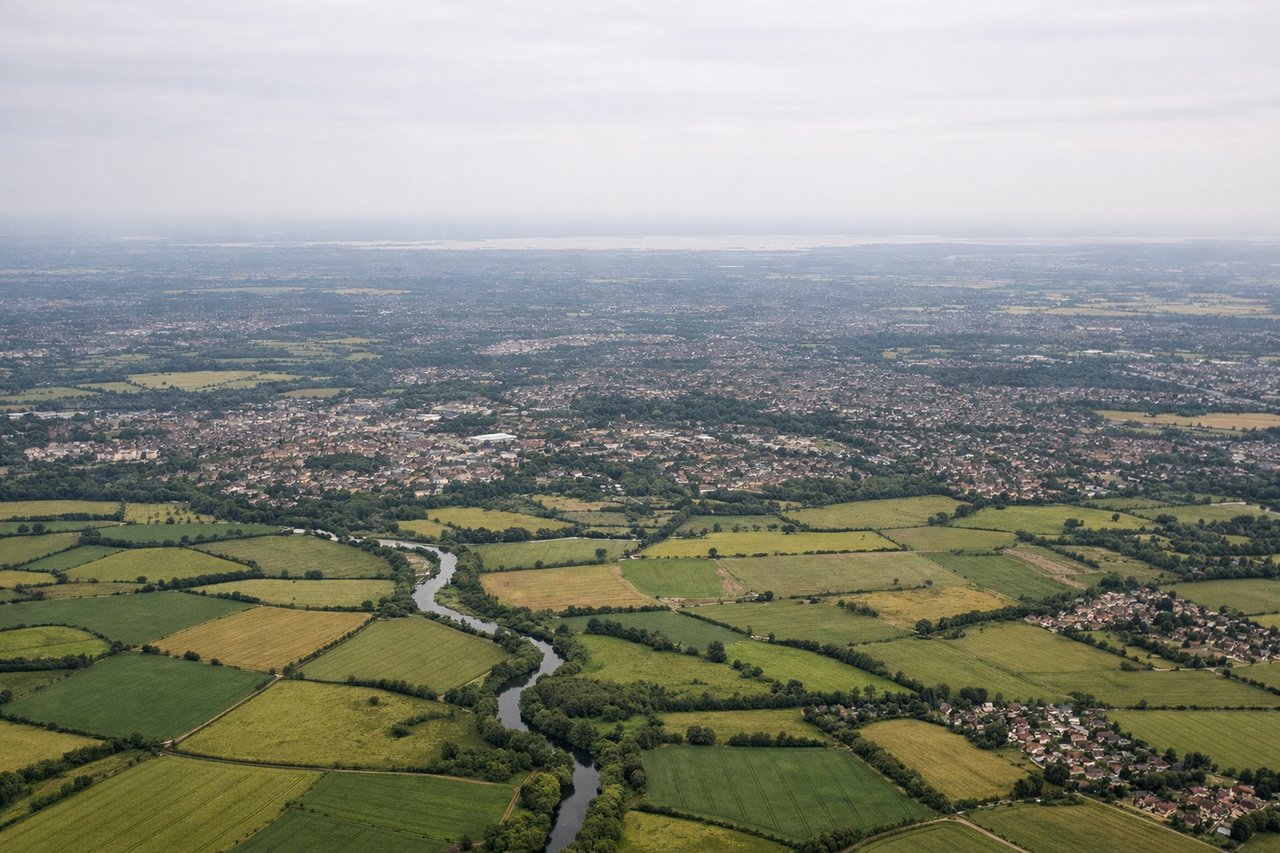
Takeoff from STN
RIGHTRight-side seats offer views of the Essex coastline and Thames Estuary as the aircraft climbs northeastward from Stansted. You'll see the distinctive water patterns and coastal geography that define this region during the initial climb phase.
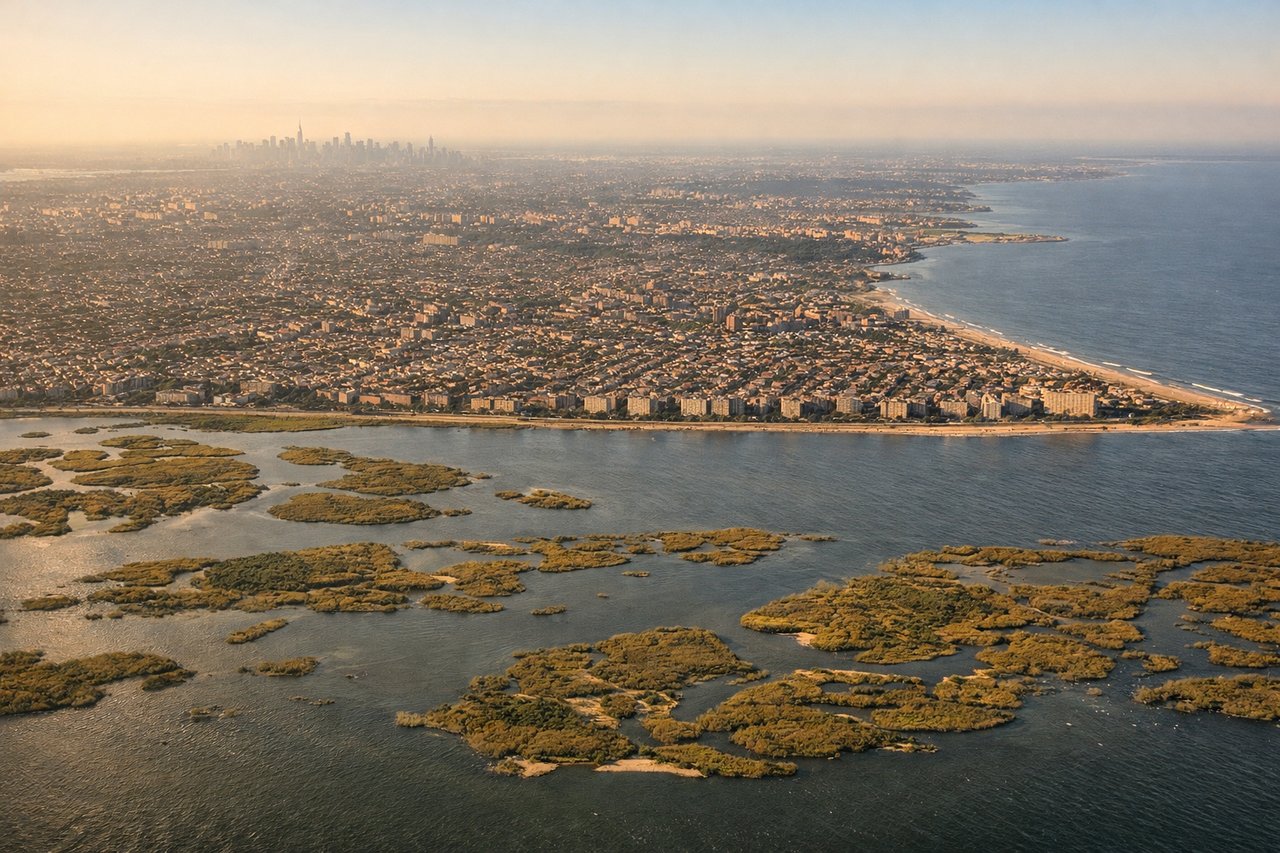
Landing at JFK
LEFTLeft-side seats provide excellent views during the descent approach to JFK. You'll see the Hudson River, Manhattan's skyline, and the New Jersey coastline as the aircraft descends on a westerly approach vector into the New York area.
Landmarks on this routeAll landmarks →
Will your flight be in sunlight?
See exactly which side of the plane gets sun and shade at your departure time.
About This Route
Which side of the plane should I sit on flying from Stansted (STN) to John F Kennedy International (JFK)?
Sit on the Left side of the plane for the best views on flights from London to New York. While the right side offers good takeoff views of the Essex coast, the left side dominates the landing experience with unobstructed views of Manhattan, the Hudson River, and the New York metropolitan area during descent—the most visually dramatic portion of this transatlantic flight.
What can I see during takeoff from Stansted in London?
During takeoff from Stansted (STN), sit on the Right side for the best views. Right-side seats offer views of the Essex coastline and Thames Estuary as the aircraft climbs northeastward from Stansted. You'll see the distinctive water patterns and coastal geography that define this region during the initial climb phase. Notable sights include: Thames Estuary, Essex marshlands, North Sea coastline, Colchester area inland.
What can I see when landing at John F Kennedy International in New York?
When landing at John F Kennedy International (JFK), sit on the Left side for the best views. Left-side seats provide excellent views during the descent approach to JFK. You'll see the Hudson River, Manhattan's skyline, and the New Jersey coastline as the aircraft descends on a westerly approach vector into the New York area. Notable sights include: Hudson River, Manhattan skyline, New Jersey coastline, Long Island Sound.
How long is the flight from London to New York?
The flight from Stansted (STN) to John F Kennedy International (JFK) takes Approximately 7 hours 15 minutes.
What does the London to New York flight path pass over?
The flight path crosses the North Sea, then the Atlantic Ocean. Notable features include: the Irish coast and Irish Sea (visible during the westbound climb over the UK); the Atlantic open ocean for the majority of the flight; Newfoundland and the Canadian Maritime provinces on approach to North America; and the New England coastline (Massachusetts, Connecticut, Rhode Island) visible during the final descent into the New York area. The mid-Atlantic crossing offers little visible terrain but clear views of ocean patterns and weather systems.