The right side provides the more dynamic visual experience across the whole flight: brief London-area estuary views on departure, glimpses of the Alps and Mediterranean-adjacent terrain during cruise, and a spectacular coastal/skyline approach into Dubai, versus the left side's largely flat, ocean-and-plain scenery.
Flight Path
The route crosses the Alps near the Austria-Slovenia border, continues over the Balkans and Turkey's Anatolian plateau, then passes over northern Iraq or western Iran before reaching the Persian Gulf coastline near Dubai.
Great circle distance and headings ›.jpeg?width=600)
.jpg?width=600)

.jpg?width=600)
_and_the_Dubai_skyline_(25781049892).jpg?width=600)
Phase by phase
Takeoff from STN
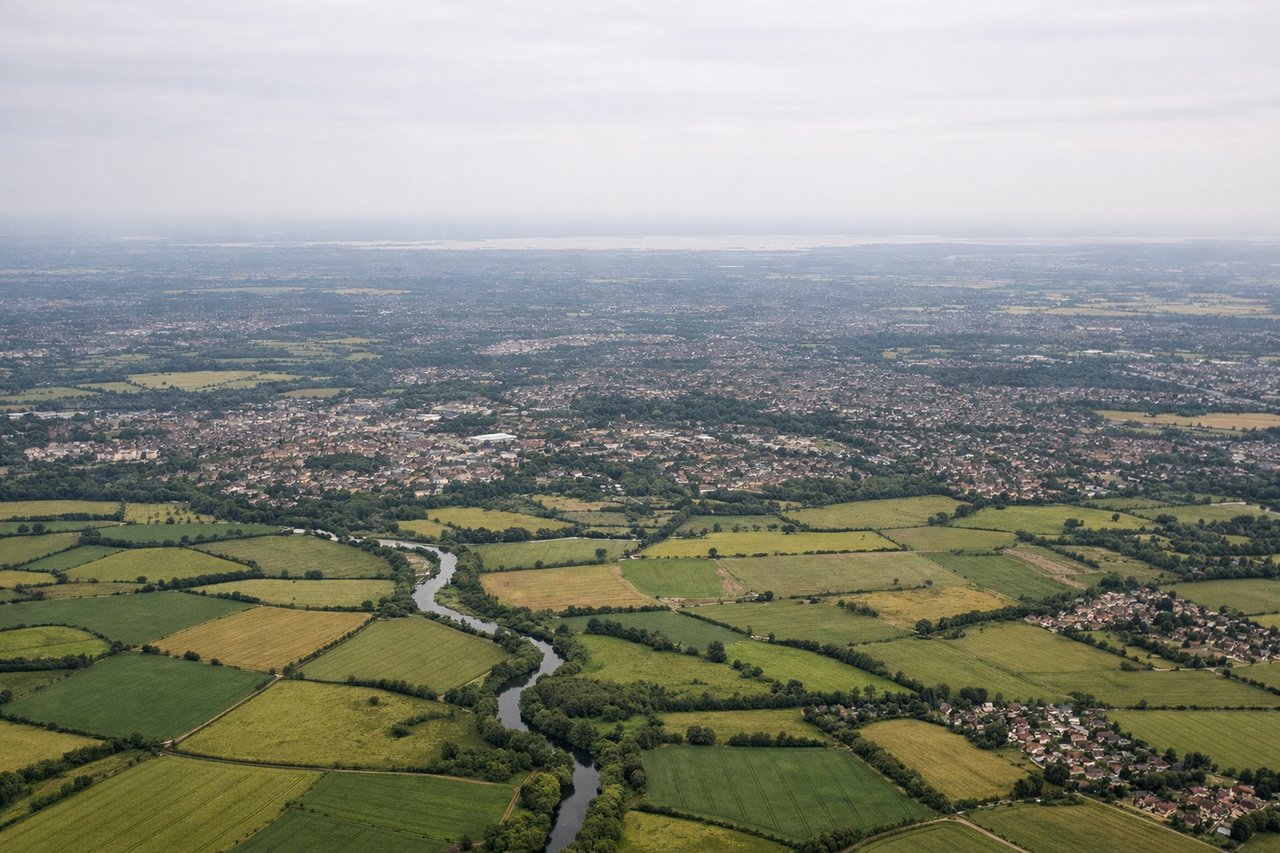
RIGHTDeparting Stansted on runway 22, the aircraft initially heads southwest before curving onto its southeast routing toward continental Europe. Passengers on the right side get a brief glimpse of the Essex countryside and the Thames Estuary before the turn establishes the long southeast track, while the left side mostly sees featureless farmland.
Landing at DXB
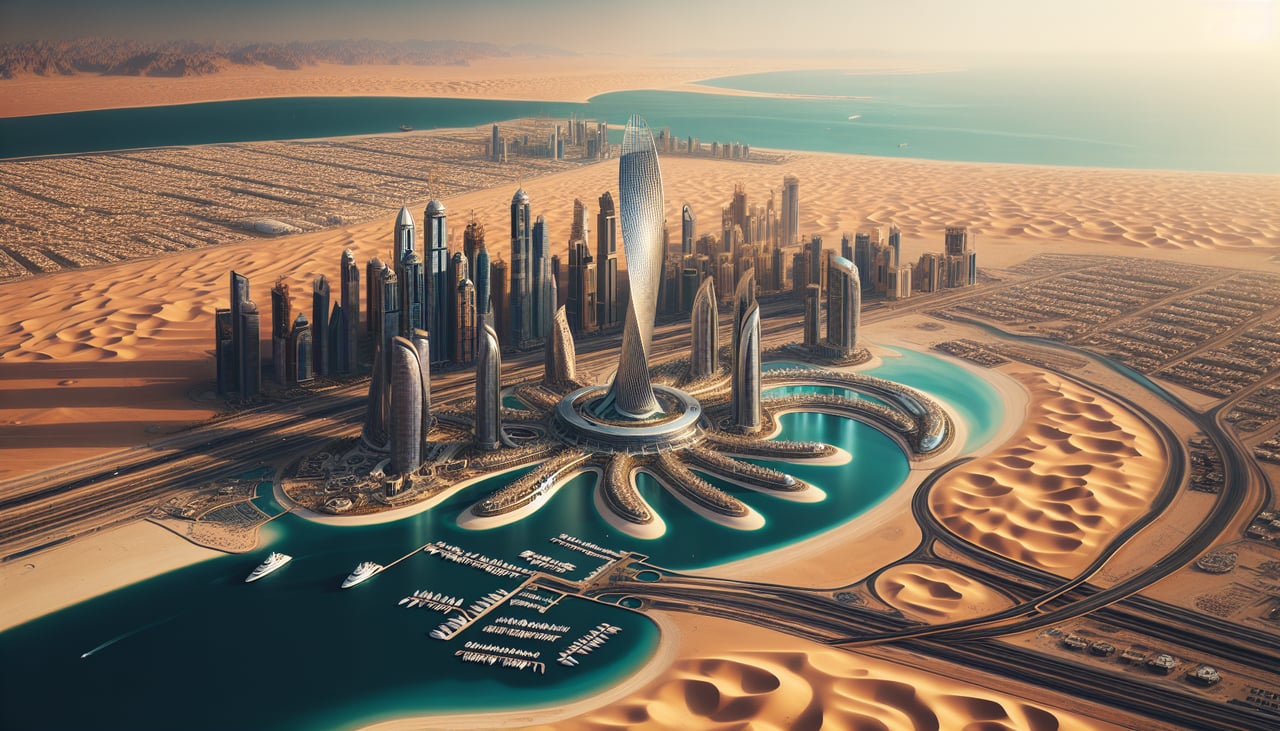
RIGHTOn approach into DXB from the northwest, the right side offers sweeping views of the Gulf coastline, Palm Jumeirah's fronds, and the Dubai Marina skyline as the aircraft banks toward the runway, while the left side faces the featureless desert interior.
Landmarks on this routeAll landmarks →
Will your flight be in sunlight?
See exactly which side of the plane gets sun and shade at your departure time.
About This Route
Which side of the plane should I sit on flying from Stansted (STN) to Dubai International (DXB)?
Sit on the Right side of the plane for the best views on flights from London to Dubai. The right side provides the more dynamic visual experience across the whole flight: brief London-area estuary views on departure, glimpses of the Alps and Mediterranean-adjacent terrain during cruise, and a spectacular coastal/skyline approach into Dubai, versus the left side's largely flat, ocean-and-plain scenery.
What can I see during takeoff from Stansted in London?
During takeoff from Stansted (STN), sit on the Right side for the best views. Departing Stansted on runway 22, the aircraft initially heads southwest before curving onto its southeast routing toward continental Europe. Passengers on the right side get a brief glimpse of the Essex countryside and the Thames Estuary before the turn establishes the long southeast track, while the left side mostly sees featureless farmland. Notable sights include: Thames Estuary, Essex countryside, outer London suburbs.
What can I see when landing at Dubai International in Dubai?
When landing at Dubai International (DXB), sit on the Right side for the best views. On approach into DXB from the northwest, the right side offers sweeping views of the Gulf coastline, Palm Jumeirah's fronds, and the Dubai Marina skyline as the aircraft banks toward the runway, while the left side faces the featureless desert interior. Notable sights include: Palm Jumeirah, Burj Al Arab, Dubai Marina towers, Persian Gulf coastline.
How long is the flight from London to Dubai?
The flight from Stansted (STN) to Dubai International (DXB) takes 6h 55m.
What does the London to Dubai flight path pass over?
The route crosses the Alps near the Austria-Slovenia border, continues over the Balkans and Turkey's Anatolian plateau, then passes over northern Iraq or western Iran before reaching the Persian Gulf coastline near Dubai.