While the JFK departure gives a nice glimpse of Manhattan on the left, the Alps view on final approach into Zurich on the right side is more dramatic and memorable, tipping the balance for the full flight experience.
Flown JFK to ZRH? Did we get it right?
Flight Path
New York to Zurich is 3,921 miles (6,310 km), a flight of about 8 hours 5 minutes.
Route crosses the North Atlantic near Newfoundland and Nova Scotia, passing south of Greenland's shipping lanes before making landfall over Ireland or southwest England, then continuing over northern France or Belgium into Switzerland.
Great circle distance and headings ›


Phase by phase
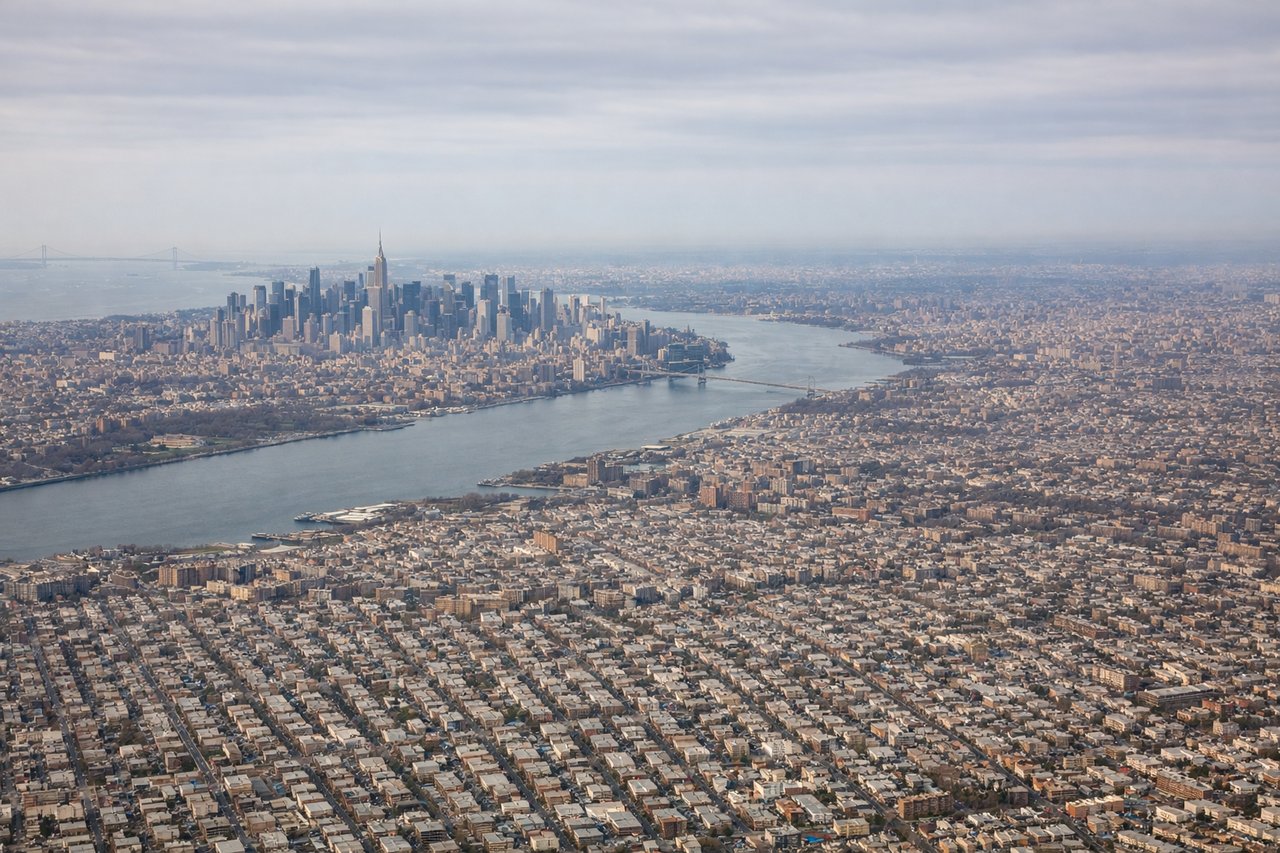
Takeoff from JFK
LEFTAs the aircraft climbs out from JFK heading northeast before turning onto its transatlantic track, the Manhattan skyline and Long Island Sound are typically visible off the left side. It's a brief but recognizable urban view before the long ocean crossing begins.
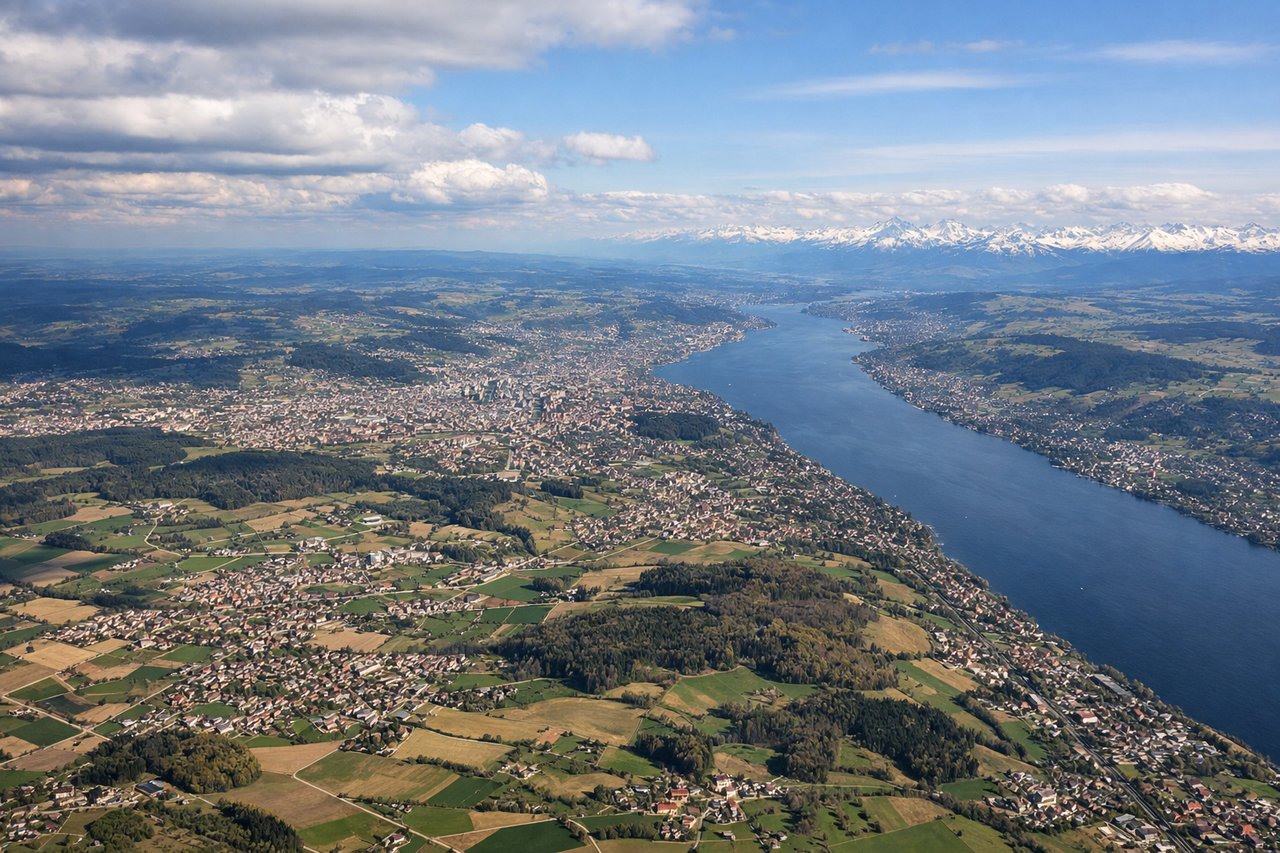
Landing at ZRH
RIGHTOn the descent into Zurich, arrivals from the west (runway 28) or the turn onto final often reveal the snow-capped Alps stretching along the southern horizon, a dramatic final impression after hours over open water and flat European farmland.
Will your flight be in sunlight?
Pick a date and time in the Sun Map to watch the sun move across your whole flight.
About This Route
Which side of the plane should I sit on flying from John F Kennedy International (JFK) to Zurich (ZRH)?
Sit on the Right side of the plane for the best views on flights from New York to Zurich. While the JFK departure gives a nice glimpse of Manhattan on the left, the Alps view on final approach into Zurich on the right side is more dramatic and memorable, tipping the balance for the full flight experience.
What can I see during takeoff from John F Kennedy International in New York?
During takeoff from John F Kennedy International (JFK), sit on the Left side for the best views. As the aircraft climbs out from JFK heading northeast before turning onto its transatlantic track, the Manhattan skyline and Long Island Sound are typically visible off the left side. It's a brief but recognizable urban view before the long ocean crossing begins. Notable sights include: Manhattan skyline, Long Island Sound, Throgs Neck/Whitestone bridges, Jamaica Bay.
What can I see when landing at Zurich in Zurich?
When landing at Zurich (ZRH), sit on the Right side for the best views. On the descent into Zurich, arrivals from the west (runway 28) or the turn onto final often reveal the snow-capped Alps stretching along the southern horizon, a dramatic final impression after hours over open water and flat European farmland. Notable sights include: Swiss Alps foothills, Lake Zurich, Uetliberg ridge, Zurich city outskirts.
How long is the flight from New York to Zurich?
The flight from John F Kennedy International (JFK) to Zurich (ZRH) takes about 8 hours 5 minutes. The shortest flight path between them is 3,921 miles (6,310 km); winds and air traffic control usually add a few percent.
What does the New York to Zurich flight path pass over?
Route crosses the North Atlantic near Newfoundland and Nova Scotia, passing south of Greenland's shipping lanes before making landfall over Ireland or southwest England, then continuing over northern France or Belgium into Switzerland.