The Alpine and lake scenery during the Zurich departure is more visually dramatic and sustained than the brief skyline glimpse on landing, giving the left side a slight edge over the course of the full flight, even though most of the route is open ocean with no scenic advantage to either side.
Flight Path
The flight path crosses eastern France, the English Channel or southern England, then Ireland's coast before heading out over the open North Atlantic, passing south of Greenland and near the Grand Banks off Newfoundland before making landfall over New England en route to New York.
Great circle distance and headings ›

.jpg?width=600)
.jpg?width=600)
Phase by phase
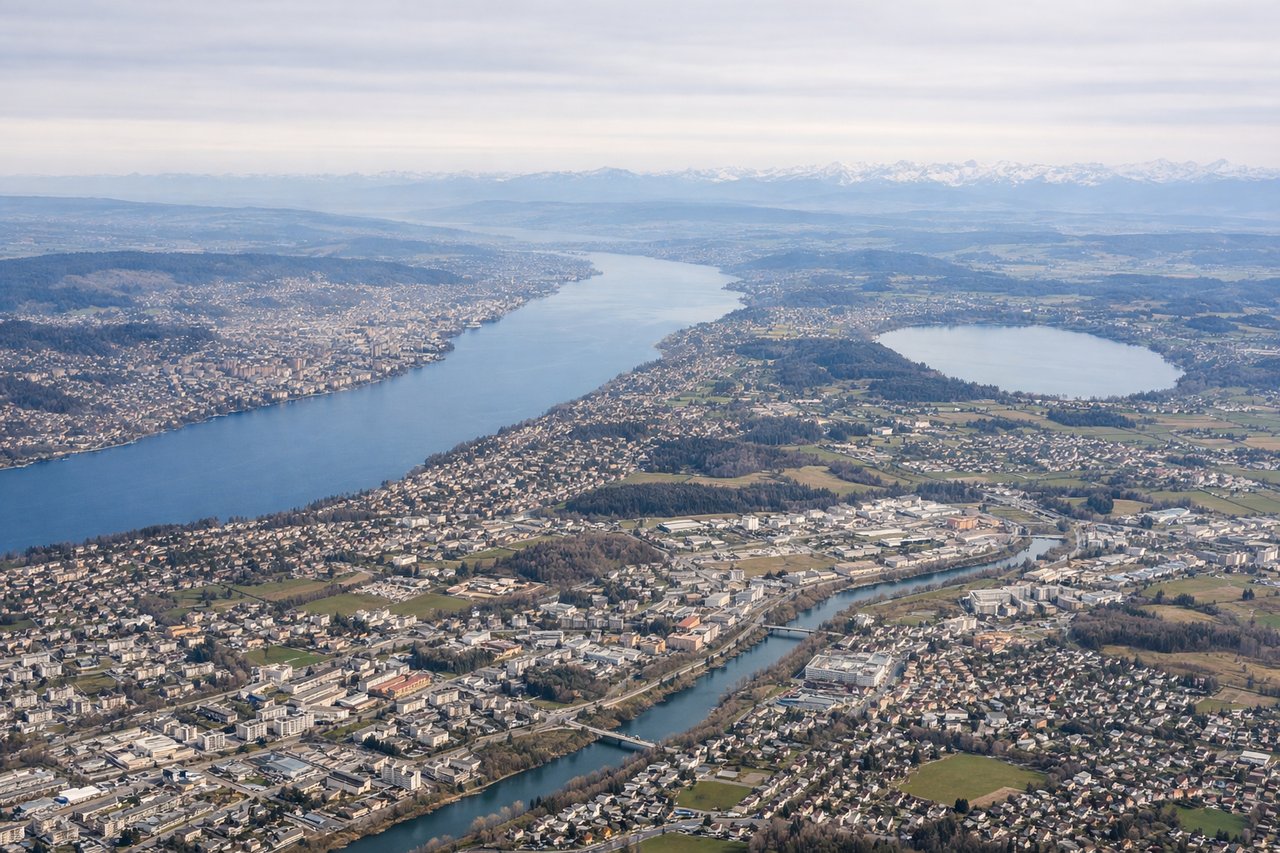
Takeoff from ZRH
LEFTDeparting west on runway 28, the initial climb and turn puts the south side of the aircraft toward Lake Zurich, the city, and the pre-Alps foothills, with the higher Bernese Alps peaks visible on the horizon in clear weather. The right side only shows the flatter Swiss plateau toward the Jura hills.
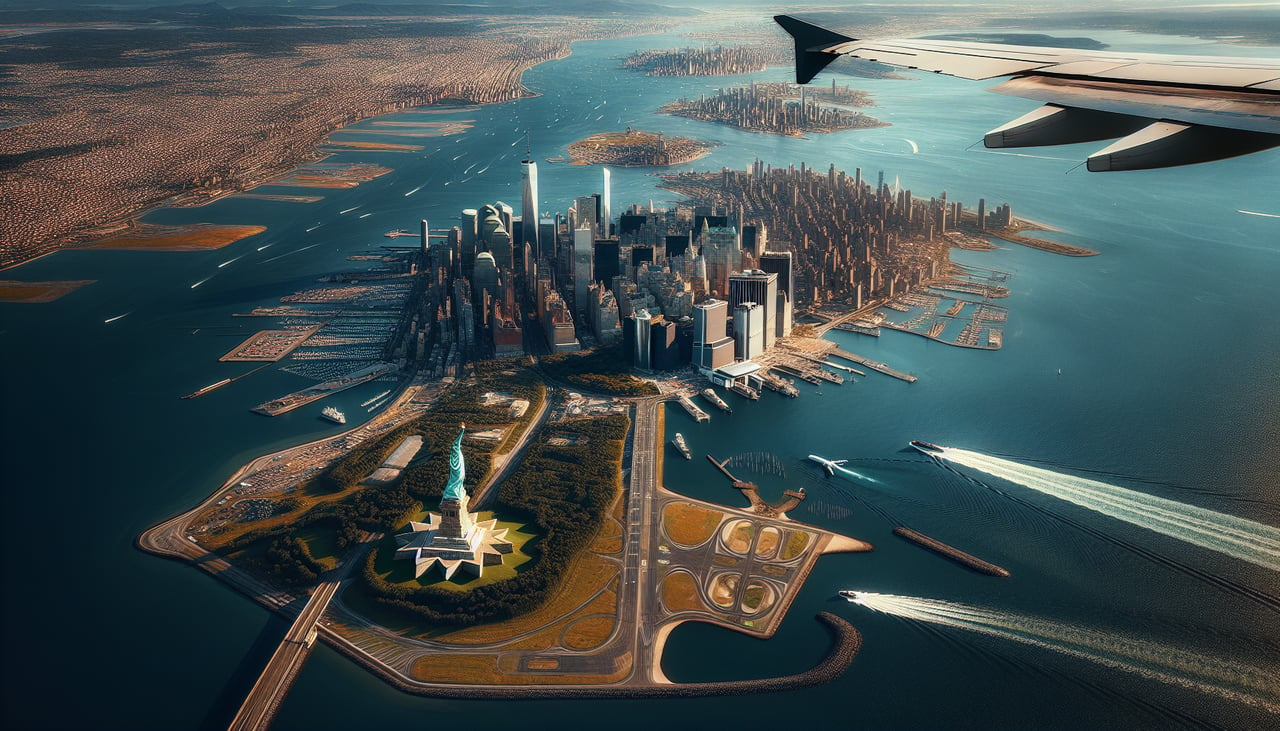
Landing at JFK
RIGHTJFK arrivals from the northeast turning onto final for runway 22L/22R put Manhattan's skyline and the Long Island Sound coastline on the right side during the descent and turn. The left side mainly faces open Atlantic and the flatter South Shore of Long Island.
Landmarks on this routeAll landmarks →
Will your flight be in sunlight?
See exactly which side of the plane gets sun and shade at your departure time.
About This Route
Which side of the plane should I sit on flying from Zurich (ZRH) to John F Kennedy International (JFK)?
Sit on the Left side of the plane for the best views on flights from Zurich to New York. The Alpine and lake scenery during the Zurich departure is more visually dramatic and sustained than the brief skyline glimpse on landing, giving the left side a slight edge over the course of the full flight, even though most of the route is open ocean with no scenic advantage to either side.
What can I see during takeoff from Zurich in Zurich?
During takeoff from Zurich (ZRH), sit on the Left side for the best views. Departing west on runway 28, the initial climb and turn puts the south side of the aircraft toward Lake Zurich, the city, and the pre-Alps foothills, with the higher Bernese Alps peaks visible on the horizon in clear weather. The right side only shows the flatter Swiss plateau toward the Jura hills. Notable sights include: Lake Zurich, Zurich city center, Uetliberg/Albis ridge, distant Alpine peaks (Rigi, Pilatus, and on clear days the Bernese Alps).
What can I see when landing at John F Kennedy International in New York?
When landing at John F Kennedy International (JFK), sit on the Right side for the best views. JFK arrivals from the northeast turning onto final for runway 22L/22R put Manhattan's skyline and the Long Island Sound coastline on the right side during the descent and turn. The left side mainly faces open Atlantic and the flatter South Shore of Long Island. Notable sights include: Manhattan skyline, Long Island Sound, Jamaica Bay, Rockaway Peninsula/Atlantic coastline.
How long is the flight from Zurich to New York?
The flight from Zurich (ZRH) to John F Kennedy International (JFK) takes 9h 30m.
What does the Zurich to New York flight path pass over?
The flight path crosses eastern France, the English Channel or southern England, then Ireland's coast before heading out over the open North Atlantic, passing south of Greenland and near the Grand Banks off Newfoundland before making landfall over New England en route to New York.