While the Zurich departure offers a nice glimpse of the Alps and Lake Zurich, the Heathrow arrival's close pass over Windsor Castle is a more distinctive, unmistakable landmark visible right beside the aircraft, giving the right side the edge for the full journey.
Flight Path
The route crosses eastern France near the Vosges Mountains and the Rhine plain around Strasbourg, then continues over the Champagne region before crossing the English Channel near Calais, with the white cliffs of Dover sometimes visible on clear days.
Great circle distance and headings ›

.jpeg?width=600)
Phase by phase
Takeoff from ZRH
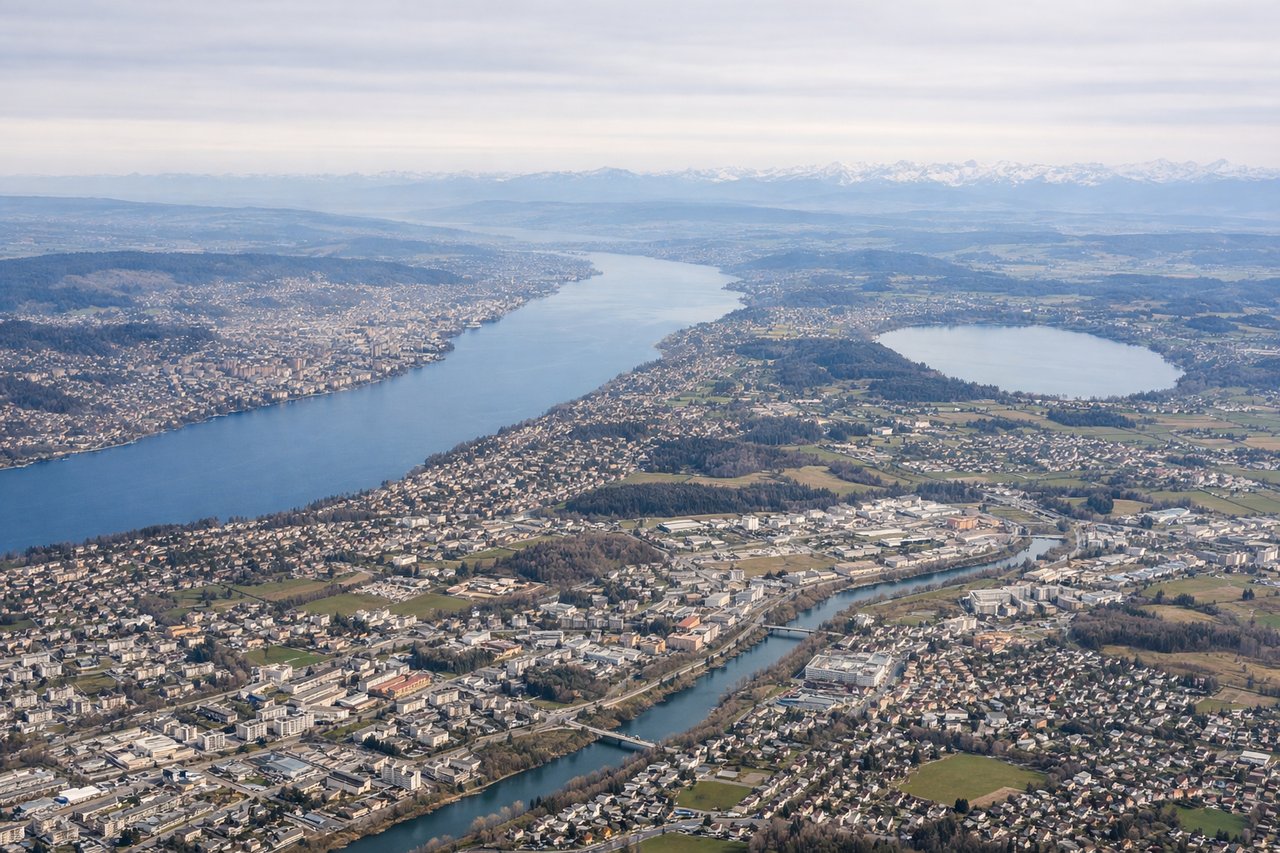
LEFTDeparting Zurich on runway 28, the initial climb passes south of the city, giving a brief but clear view of Lake Zurich and the wooded foothills of the Alps (Rigi, Pilatus) receding on the horizon before the aircraft turns northwest toward France. The right side only shows the flatter Zurich suburbs and Swiss plateau.
Landing at LHR
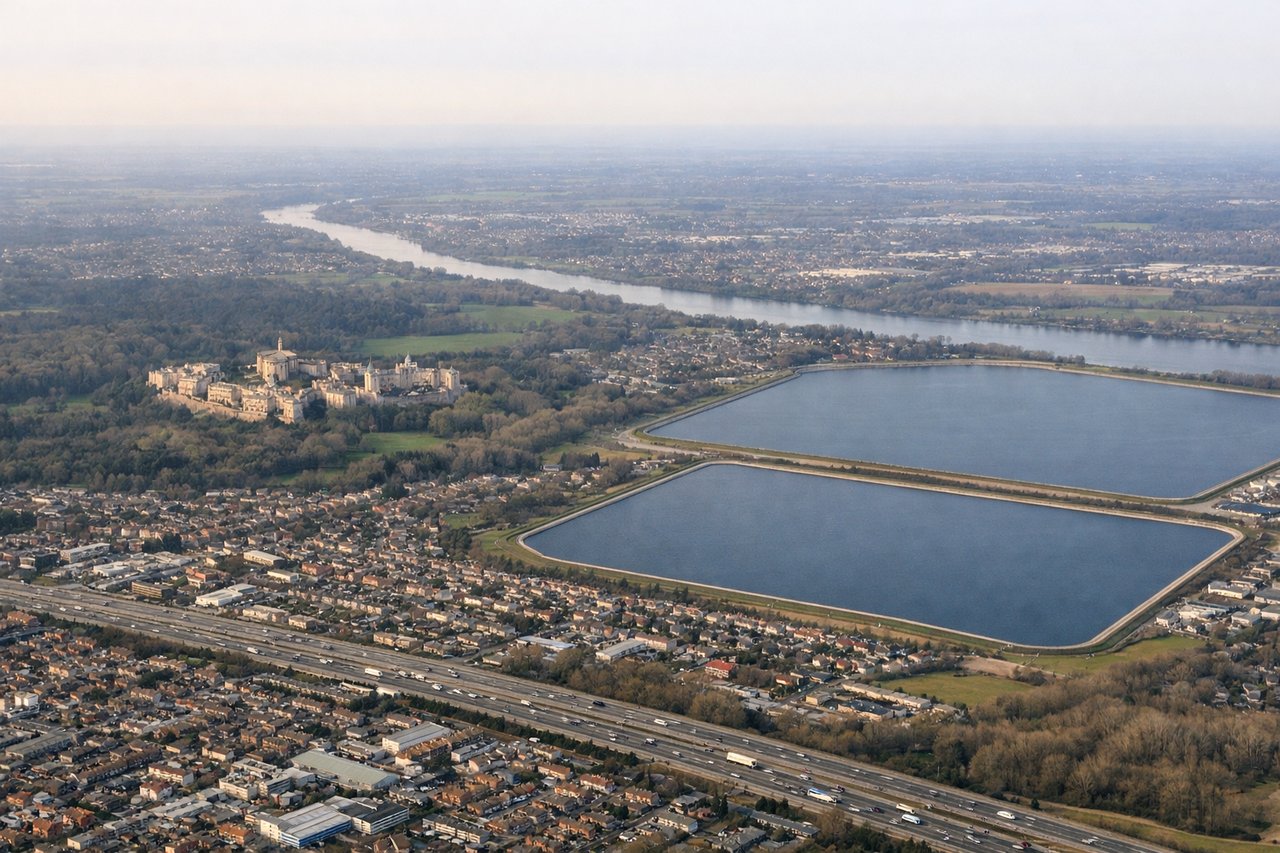
RIGHTOn the standard westerly approach into Heathrow, aircraft track just north of the extended runway centerline in the final few miles, putting Windsor Castle and the Thames Valley directly below and to the right. The left side mostly shows unremarkable suburban rooftops with no comparable landmark.
Landmarks on this routeAll landmarks →
Will your flight be in sunlight?
See exactly which side of the plane gets sun and shade at your departure time.
About This Route
Which side of the plane should I sit on flying from Zurich (ZRH) to Heathrow (LHR)?
Sit on the Right side of the plane for the best views on flights from Zurich to London. While the Zurich departure offers a nice glimpse of the Alps and Lake Zurich, the Heathrow arrival's close pass over Windsor Castle is a more distinctive, unmistakable landmark visible right beside the aircraft, giving the right side the edge for the full journey.
What can I see during takeoff from Zurich in Zurich?
During takeoff from Zurich (ZRH), sit on the Left side for the best views. Departing Zurich on runway 28, the initial climb passes south of the city, giving a brief but clear view of Lake Zurich and the wooded foothills of the Alps (Rigi, Pilatus) receding on the horizon before the aircraft turns northwest toward France. The right side only shows the flatter Zurich suburbs and Swiss plateau. Notable sights include: Lake Zurich, City of Zurich, Alpine foothills (Rigi/Pilatus), Swiss plateau farmland.
What can I see when landing at Heathrow in London?
When landing at Heathrow (LHR), sit on the Right side for the best views. On the standard westerly approach into Heathrow, aircraft track just north of the extended runway centerline in the final few miles, putting Windsor Castle and the Thames Valley directly below and to the right. The left side mostly shows unremarkable suburban rooftops with no comparable landmark. Notable sights include: Windsor Castle, River Thames, Windsor Great Park, Heathrow's runway approach lights.
How long is the flight from Zurich to London?
The flight from Zurich (ZRH) to Heathrow (LHR) takes 1h 50m.
What does the Zurich to London flight path pass over?
The route crosses eastern France near the Vosges Mountains and the Rhine plain around Strasbourg, then continues over the Champagne region before crossing the English Channel near Calais, with the white cliffs of Dover sometimes visible on clear days.