Jorhat to Bombay is 1,453 miles (2,338 km), a flight of about 3 hours 15 minutes.
While takeoff offers river and foothill views, the landing approach provides more dramatic and visually distinctive scenery—the Western Ghats escarpment and Mumbai's coastal geography are more striking than the Assam plains. Left-side seats capture the most impressive terrain transitions on this route.
Flight Path
The flight path crosses central India, passing over the Vidarbha plateau region and the northern Deccan Plateau. Notable features include the Wardha River valley, scattered forests of the Deccan, and the gradual rise toward the Western Ghats as the aircraft approaches the coast. The terrain transitions from the alluvial plains of Assam through agricultural and forested plateau lands to the dramatic escarpment of the Western Ghats before descent to sea level at Mumbai.
Great circle distance and headings ›Phase by phase
Takeoff from JRH
RIGHTRight-side seats offer views of the Brahmaputra River valley and the foothills of the Eastern Himalayas as the aircraft climbs out westward. The river's distinctive meanders and the tea plantation-covered terrain are visible during the initial climb.
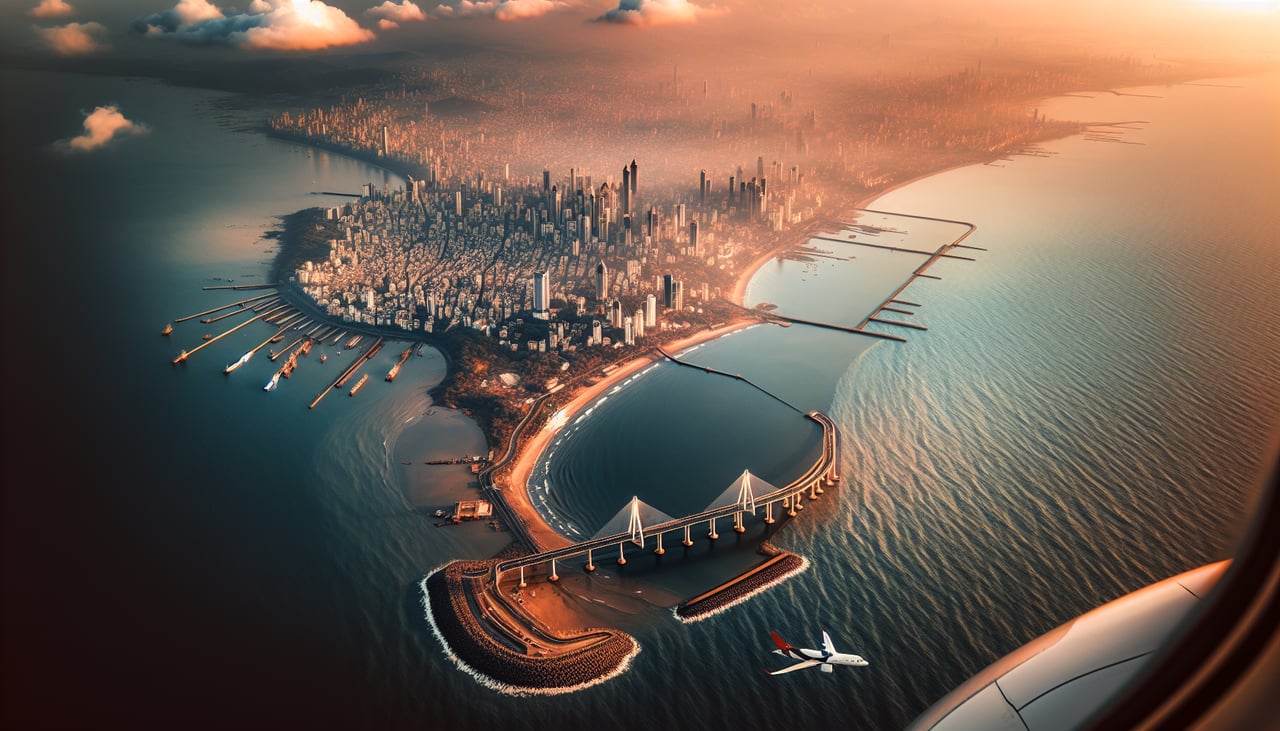
Landing at BOM
LEFTLeft-side seats provide excellent views of the Western Ghats mountain range and the approach to Mumbai's coastal geography. As the aircraft descends toward Bombay, the left side reveals the dramatic escarpment and the transition from inland plateau to the Arabian Sea coastline.
Will your flight be in sunlight?
Pick a date and time in the Sun Map to watch the sun move across your whole flight.
About This Route
Which side of the plane should I sit on flying from Jorhat (JRH) to Chhatrapati Shivaji International (BOM)?
Sit on the Left side of the plane for the best views on flights from Jorhat to Bombay. While takeoff offers river and foothill views, the landing approach provides more dramatic and visually distinctive scenery—the Western Ghats escarpment and Mumbai's coastal geography are more striking than the Assam plains. Left-side seats capture the most impressive terrain transitions on this route.
What can I see during takeoff from Jorhat in Jorhat?
During takeoff from Jorhat (JRH), sit on the Right side for the best views. Right-side seats offer views of the Brahmaputra River valley and the foothills of the Eastern Himalayas as the aircraft climbs out westward. The river's distinctive meanders and the tea plantation-covered terrain are visible during the initial climb. Notable sights include: Brahmaputra River, Eastern Himalayan foothills, Assam tea plantation valleys, Nagaland ridge formations.
What can I see when landing at Chhatrapati Shivaji International in Bombay?
When landing at Chhatrapati Shivaji International (BOM), sit on the Left side for the best views. Left-side seats provide excellent views of the Western Ghats mountain range and the approach to Mumbai's coastal geography. As the aircraft descends toward Bombay, the left side reveals the dramatic escarpment and the transition from inland plateau to the Arabian Sea coastline. Notable sights include: Western Ghats escarpment, Arabian Sea coastline, Mumbai harbor and islands, Thane Creek.
How long is the flight from Jorhat to Bombay?
The flight from Jorhat (JRH) to Chhatrapati Shivaji International (BOM) takes about 3 hours 15 minutes. The shortest flight path between them is 1,453 miles (2,338 km); winds and air traffic control usually add a few percent.
What does the Jorhat to Bombay flight path pass over?
The flight path crosses central India, passing over the Vidarbha plateau region and the northern Deccan Plateau. Notable features include the Wardha River valley, scattered forests of the Deccan, and the gradual rise toward the Western Ghats as the aircraft approaches the coast. The terrain transitions from the alluvial plains of Assam through agricultural and forested plateau lands to the dramatic escarpment of the Western Ghats before descent to sea level at Mumbai.