The left side (westbound departure from Krakow) scores higher due to superior takeoff scenery—immediate urban landmarks, river valley, and Carpathian foothills provide visual interest during the critical first 30 minutes. While the right side offers dramatic Icelandic volcanic landing views, the 3+ hours of open Atlantic Ocean crossing dominates the cruise phase and limits overall variety. Left side benefits from a more scenic departure sequence and maintains better visual interest through the early climb phase.
Flown KRK to RKV? Did we get it right?
Flight Path
Krakow to Reykjavik is 1,794 miles (2,887 km), a flight of about 3 hours 15 minutes.
North Sea crossing, Norwegian Sea, Faroe Islands (typically 100+ miles north of direct track but visible on clear days), transition from European continental climate to subarctic Atlantic conditions, gradual shift from temperate green landscapes to barren volcanic terrain
Great circle distance and headings ›Phase by phase
Takeoff from KRK
LEFTRunway 25 (westbound departure) offers immediate views of Krakow's urban sprawl and the Vistula River valley before climbing over the Carpathian foothills. Runway 07 (eastbound) departs over flat agricultural plains with minimal visual interest.
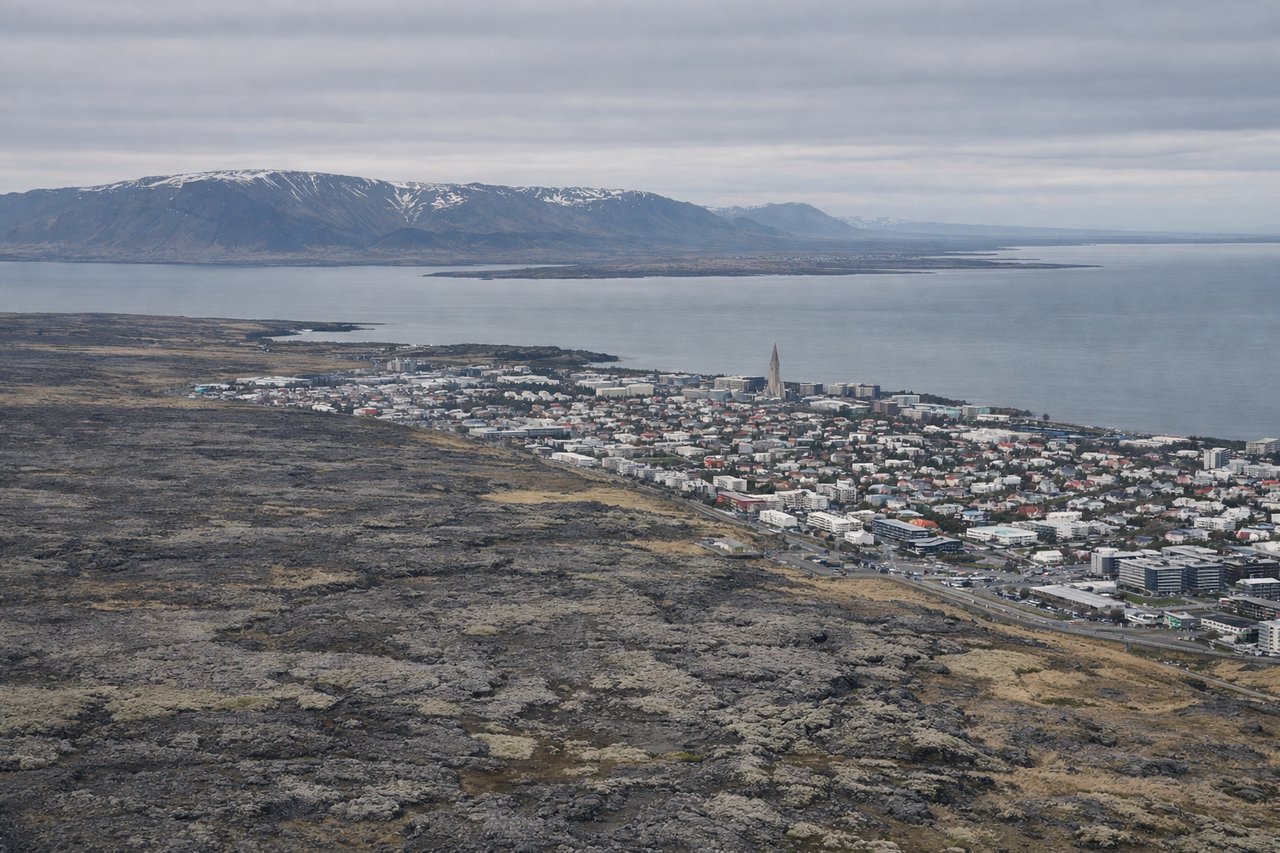
Landing at RKV
RIGHTApproach to Reykjavik typically descends over the Atlantic, offering views of Iceland's dramatic volcanic coastline, black sand beaches, and the Reykjanes Peninsula's geothermal landscape. Right-side passengers see the approach path over Faxaflói Bay and the distinctive lava fields before landing.
Will your flight be in sunlight?
Pick a date and time in the Sun Map to watch the sun move across your whole flight.
About This Route
Which side of the plane should I sit on flying from Balice Jp Ii International Airport (KRK) to Reykjavik (RKV)?
Sit on the Left side of the plane for the best views on flights from Krakow to Reykjavik. The left side (westbound departure from Krakow) scores higher due to superior takeoff scenery—immediate urban landmarks, river valley, and Carpathian foothills provide visual interest during the critical first 30 minutes. While the right side offers dramatic Icelandic volcanic landing views, the 3+ hours of open Atlantic Ocean crossing dominates the cruise phase and limits overall variety. Left side benefits from a more scenic departure sequence and maintains better visual interest through the early climb phase.
What can I see during takeoff from Balice Jp Ii International Airport in Krakow?
During takeoff from Balice Jp Ii International Airport (KRK), sit on the Left side for the best views. Runway 25 (westbound departure) offers immediate views of Krakow's urban sprawl and the Vistula River valley before climbing over the Carpathian foothills. Runway 07 (eastbound) departs over flat agricultural plains with minimal visual interest. Notable sights include: Krakow city center and Wawel Castle, Vistula River meanders, Carpathian Mountains rising to the southwest, Tatra peaks visible on clear days.
What can I see when landing at Reykjavik in Reykjavik?
When landing at Reykjavik (RKV), sit on the Right side for the best views. Approach to Reykjavik typically descends over the Atlantic, offering views of Iceland's dramatic volcanic coastline, black sand beaches, and the Reykjanes Peninsula's geothermal landscape. Right-side passengers see the approach path over Faxaflói Bay and the distinctive lava fields before landing. Notable sights include: Reykjanes Peninsula lava fields and geothermal features, Faxaflói Bay coastline, black sand beaches, Mount Keilir volcanic cone.
How long is the flight from Krakow to Reykjavik?
The flight from Balice Jp Ii International Airport (KRK) to Reykjavik (RKV) takes about 3 hours 15 minutes. The shortest flight path between them is 1,794 miles (2,887 km); winds and air traffic control usually add a few percent.
What does the Krakow to Reykjavik flight path pass over?
North Sea crossing, Norwegian Sea, Faroe Islands (typically 100+ miles north of direct track but visible on clear days), transition from European continental climate to subarctic Atlantic conditions, gradual shift from temperate green landscapes to barren volcanic terrain