Right-side seats win overall because the takeoff experience from Kathmandu is significantly more dramatic and visually rewarding than the landing approach into Tokyo. The Himalayan foothills and valley geography during climb-out are more distinctive than Tokyo's urban sprawl during descent. The landing view is comparable on both sides.
Flown KTM to HND? Did we get it right?
Flight Path
Kathmandu to Tokyo is 3,208 miles (5,162 km), a flight of about 6 hours 35 minutes.
The flight path crosses the Tibetan Plateau's southern margin and eastern ranges. Notable features include the Ganges River valley (visible during the initial eastward climb from Kathmandu), the transition from Himalayan foothills to the high plateau around 90-120 minutes into flight, and the approach to the Japanese archipelago with views of the Japanese Alps and central Honshu's mountainous terrain approximately 30-45 minutes before landing. The East China Sea is crossed during the final descent phase.
Great circle distance and headings ›


Phase by phase
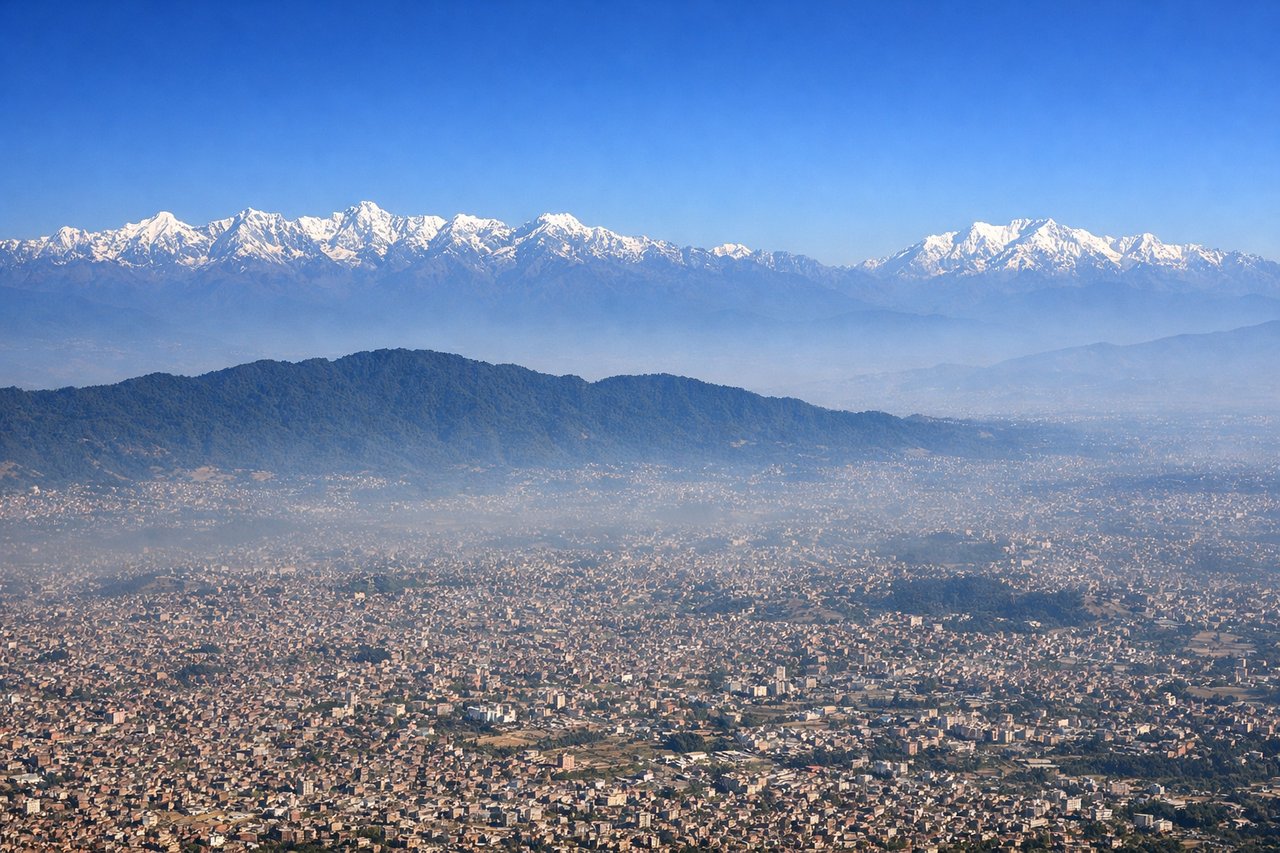
Takeoff from KTM
RIGHTRight-side seats capture the Kathmandu Valley's immediate geography and the dramatic northern escarpment of the Mahabharat Range as the aircraft climbs northeast toward the standard departure corridor. The valley floor and surrounding ridges are visible within the first 10-15 minutes of flight.
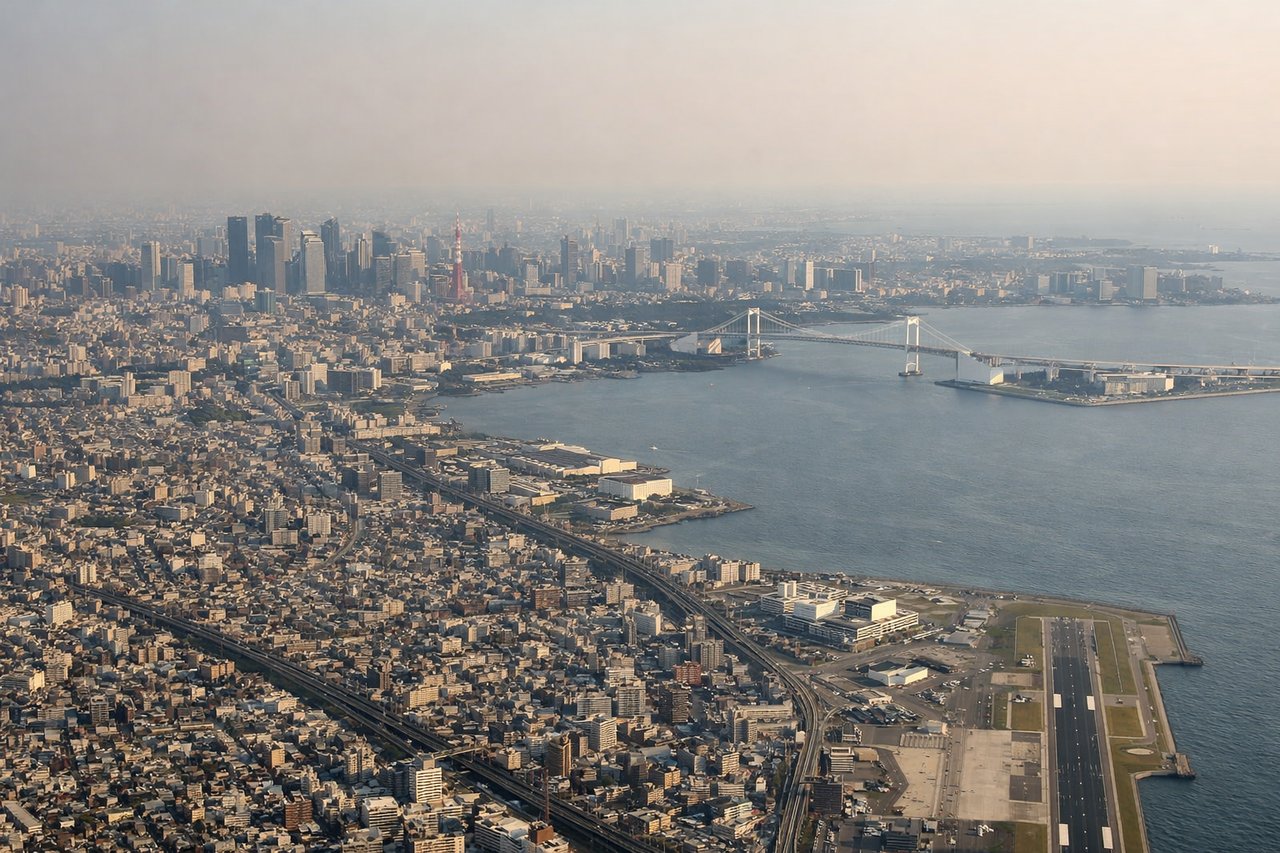
Landing at HND
LEFTLeft-side seats provide the best views during the descent approach into Haneda. The aircraft typically descends over Tokyo Bay from the southeast, giving left-side passengers clear sightlines of the bay's eastern shoreline, the Boso Peninsula, and the Tokyo metropolitan area's eastern districts before final approach.
Will your flight be in sunlight?
Pick a date and time in the Sun Map to watch the sun move across your whole flight.
About This Route
Which side of the plane should I sit on flying from Tribhuvan International (KTM) to Tokyo International (HND)?
Sit on the Right side of the plane for the best views on flights from Kathmandu to Tokyo. Right-side seats win overall because the takeoff experience from Kathmandu is significantly more dramatic and visually rewarding than the landing approach into Tokyo. The Himalayan foothills and valley geography during climb-out are more distinctive than Tokyo's urban sprawl during descent. The landing view is comparable on both sides.
What can I see during takeoff from Tribhuvan International in Kathmandu?
During takeoff from Tribhuvan International (KTM), sit on the Right side for the best views. Right-side seats capture the Kathmandu Valley's immediate geography and the dramatic northern escarpment of the Mahabharat Range as the aircraft climbs northeast toward the standard departure corridor. The valley floor and surrounding ridges are visible within the first 10-15 minutes of flight. Notable sights include: Kathmandu Valley floor with city sprawl, Mahabharat Range (southern rim of valley), Shivapuri Lekh ridge to the north, Bagmati River valley threading through lower terrain.
What can I see when landing at Tokyo International in Tokyo?
When landing at Tokyo International (HND), sit on the Left side for the best views. Left-side seats provide the best views during the descent approach into Haneda. The aircraft typically descends over Tokyo Bay from the southeast, giving left-side passengers clear sightlines of the bay's eastern shoreline, the Boso Peninsula, and the Tokyo metropolitan area's eastern districts before final approach. Notable sights include: Tokyo Bay (Edo-wan), Boso Peninsula across the bay, Haneda Airport's runways and reclaimed land, Tokyo's eastern urban sprawl (Chiba and eastern Minato wards).
How long is the flight from Kathmandu to Tokyo?
The flight from Tribhuvan International (KTM) to Tokyo International (HND) takes about 6 hours 35 minutes. The shortest flight path between them is 3,208 miles (5,162 km); winds and air traffic control usually add a few percent.
What does the Kathmandu to Tokyo flight path pass over?
The flight path crosses the Tibetan Plateau's southern margin and eastern ranges. Notable features include the Ganges River valley (visible during the initial eastward climb from Kathmandu), the transition from Himalayan foothills to the high plateau around 90-120 minutes into flight, and the approach to the Japanese archipelago with views of the Japanese Alps and central Honshu's mountainous terrain approximately 30-45 minutes before landing. The East China Sea is crossed during the final descent phase.