Kuwait to Istanbul is 1,363 miles (2,193 km), a flight of about 3 hours 15 minutes.
The right side offers a more complete scenic arc, from the Kuwait Bay coastline at departure through the rugged Taurus Mountains and eastern Anatolian plateau during cruise, giving more consistent terrain variety across the flight than the largely flat desert and plateau seen from the left until the final Istanbul approach.
Flight Path
Euphrates and Tigris river valleys, northern Syrian and Iraqi desert plains, the Taurus Mountains of southeastern Turkey, and the Anatolian plateau
Great circle distance and headings ›.jpg?width=600)
_in_Istanbul.jpg?width=600)
Phase by phase
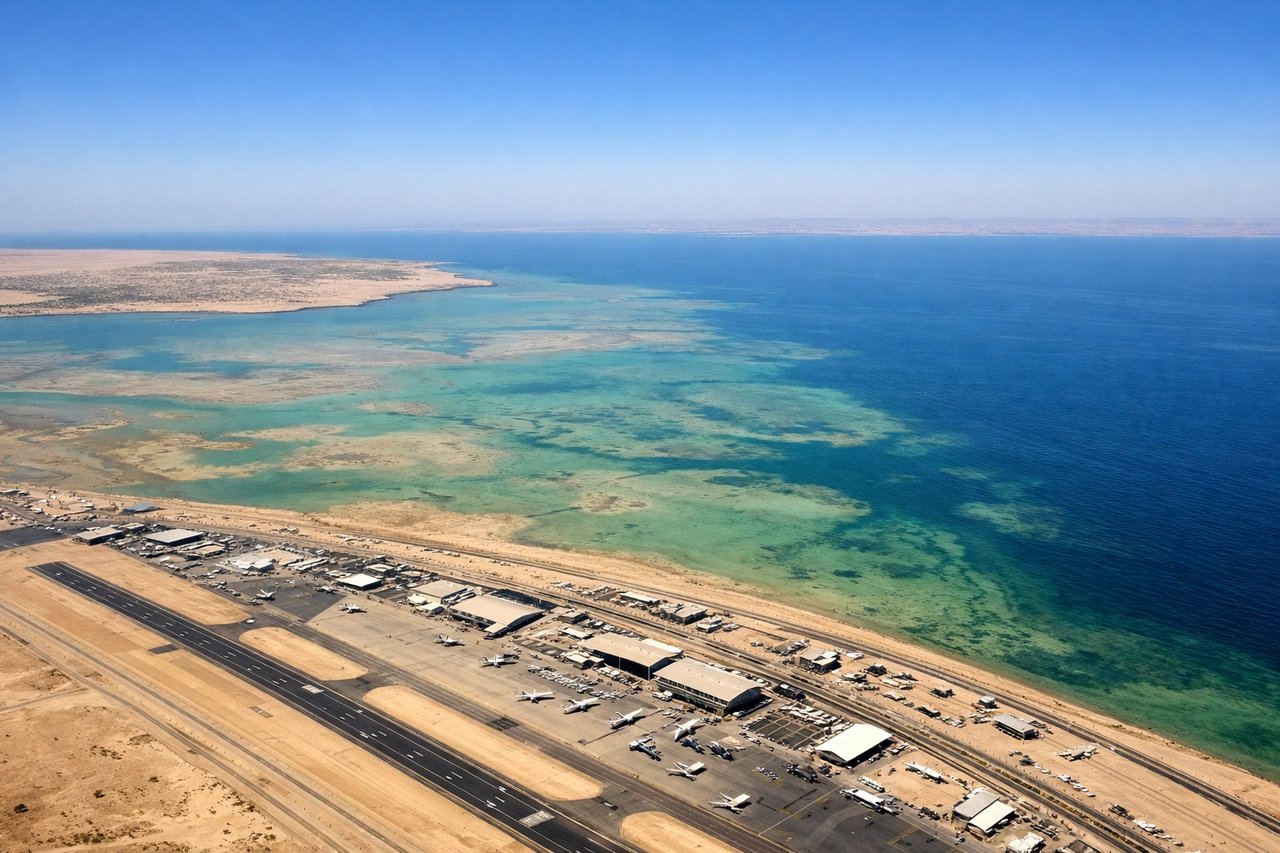
Takeoff from KWI
RIGHTDeparting KWI on the northwest-aligned runway, the initial climb curves the aircraft with Kuwait Bay and the Kuwait City skyline visible to the right, offering a brief but clear coastal and urban view before the desert takes over.

Landing at IST
LEFTOn approach into Istanbul Airport from the north, left-side passengers get a sweeping view of the Bosphorus strait, the historic peninsula, and the Sea of Marmara as the aircraft descends toward the northern runways.
Landmarks on this routeAll landmarks →
Will your flight be in sunlight?
Pick a date and time in the Sun Map to watch the sun move across your whole flight.
About This Route
Which side of the plane should I sit on flying from Kuwait International Airport (KWI) to İstanbul Airport (IST)?
Sit on the Right side of the plane for the best views on flights from Kuwait to Istanbul. The right side offers a more complete scenic arc, from the Kuwait Bay coastline at departure through the rugged Taurus Mountains and eastern Anatolian plateau during cruise, giving more consistent terrain variety across the flight than the largely flat desert and plateau seen from the left until the final Istanbul approach.
What can I see during takeoff from Kuwait International Airport in Kuwait?
During takeoff from Kuwait International Airport (KWI), sit on the Right side for the best views. Departing KWI on the northwest-aligned runway, the initial climb curves the aircraft with Kuwait Bay and the Kuwait City skyline visible to the right, offering a brief but clear coastal and urban view before the desert takes over. Notable sights include: Kuwait Bay, Kuwait City skyline, Persian Gulf coastline.
What can I see when landing at İstanbul Airport in Istanbul?
When landing at İstanbul Airport (IST), sit on the Left side for the best views. On approach into Istanbul Airport from the north, left-side passengers get a sweeping view of the Bosphorus strait, the historic peninsula, and the Sea of Marmara as the aircraft descends toward the northern runways. Notable sights include: Bosphorus Strait, Sea of Marmara, Istanbul historic peninsula, Black Sea coastline.
How long is the flight from Kuwait to Istanbul?
The flight from Kuwait International Airport (KWI) to İstanbul Airport (IST) takes about 3 hours 15 minutes. The shortest flight path between them is 1,363 miles (2,193 km); winds and air traffic control usually add a few percent.
What does the Kuwait to Istanbul flight path pass over?
Euphrates and Tigris river valleys, northern Syrian and Iraqi desert plains, the Taurus Mountains of southeastern Turkey, and the Anatolian plateau