While the right side wins at takeoff for the South Downs and Channel views, the left side captures the most dramatic scenery overall — the Welsh coastline and Snowdonia peaks during the cruise, and the spectacular Dublin Bay and Wicklow Mountains approach on landing.
Flown LGW to DUB? Did we get it right?
Flight Path
London to Dublin is 301 miles (485 km), a flight of about 1 hour 20 minutes.
The flight tracks northwest over the Thames Valley, then crosses South Wales with views of the Brecon Beacons and the Pembrokeshire coast. It then crosses the St George's Channel and the Irish Sea before descending toward Dublin. Left-side passengers may glimpse Snowdonia's peaks to the north over Wales, and the Wicklow Mountains become visible on descent into Dublin.
Great circle distance and headings ›Phase by phase
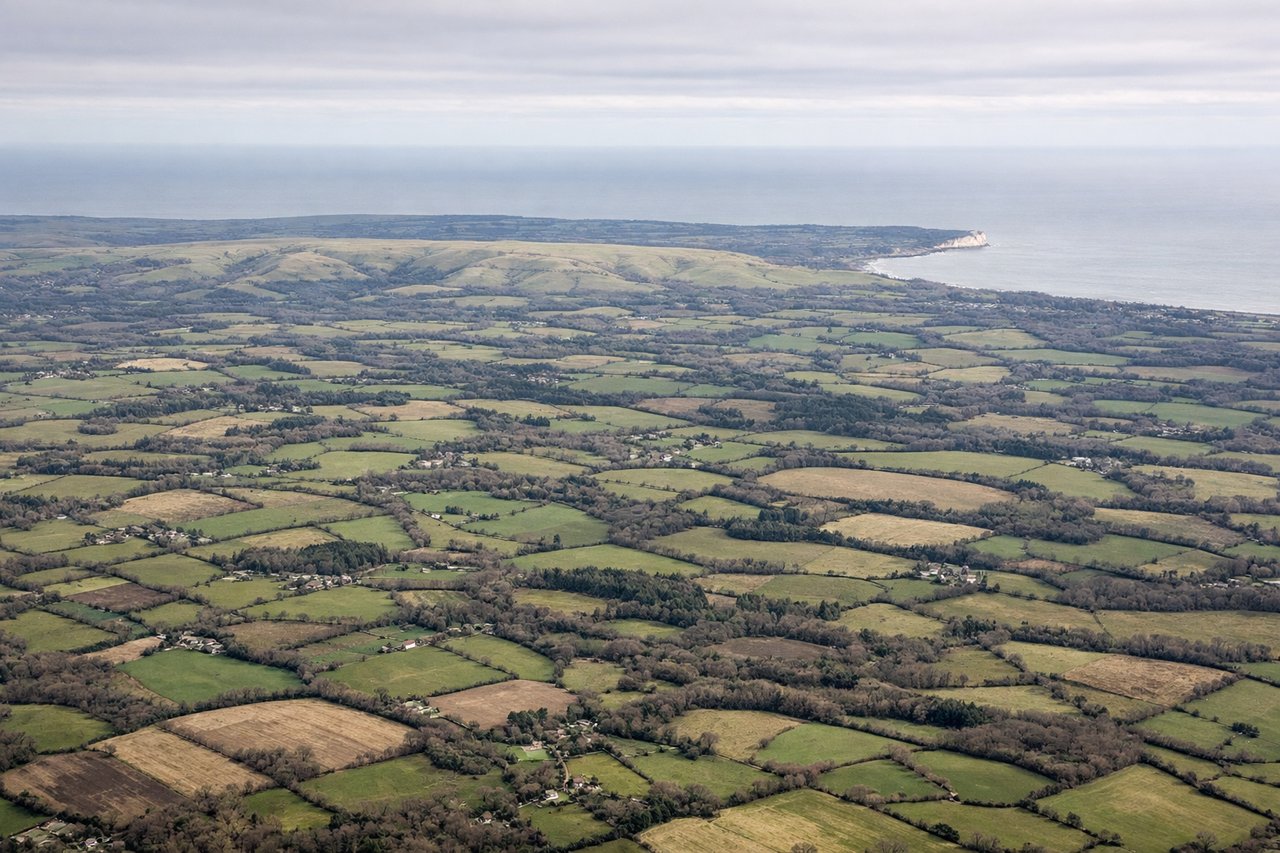
Takeoff from LGW
RIGHTGatwick's main departure runway 26L sends aircraft westward over Surrey and Sussex. The right side gives views south over the South Downs and the English Channel coastline as the aircraft climbs and turns northwest toward Wales and Ireland.
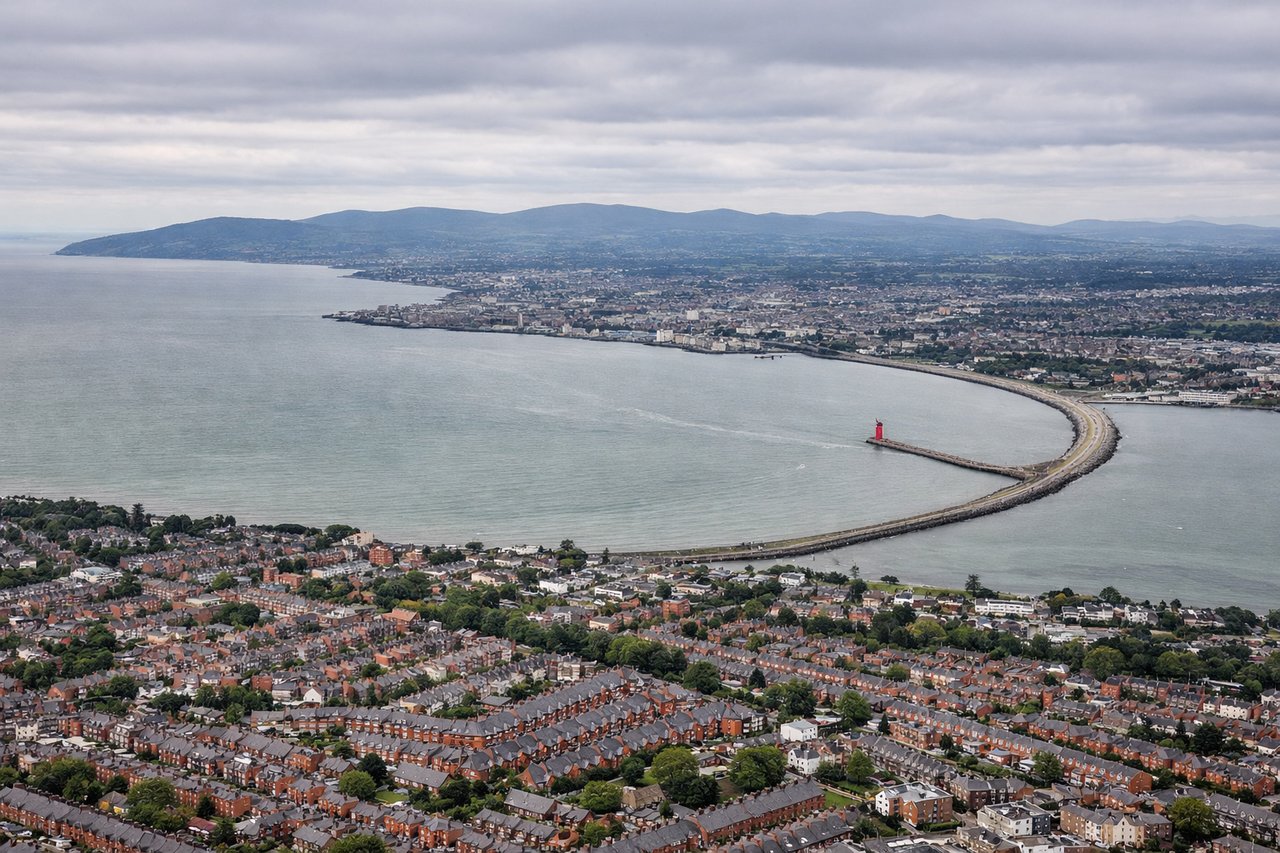
Landing at DUB
LEFTDublin Airport typically uses runway 28 for westerly arrivals, with aircraft approaching from the east over the Irish Sea. The left side gives views over Dublin Bay, the city centre, and the Wicklow Mountains to the south as the aircraft descends.
Will your flight be in sunlight?
Pick a date and time in the Sun Map to watch the sun move across your whole flight.
About This Route
Which side of the plane should I sit on flying from Gatwick (LGW) to Dublin (DUB)?
Sit on the Left side of the plane for the best views on flights from London to Dublin. While the right side wins at takeoff for the South Downs and Channel views, the left side captures the most dramatic scenery overall — the Welsh coastline and Snowdonia peaks during the cruise, and the spectacular Dublin Bay and Wicklow Mountains approach on landing.
What can I see during takeoff from Gatwick in London?
During takeoff from Gatwick (LGW), sit on the Right side for the best views. Gatwick's main departure runway 26L sends aircraft westward over Surrey and Sussex. The right side gives views south over the South Downs and the English Channel coastline as the aircraft climbs and turns northwest toward Wales and Ireland. Notable sights include: South Downs ridge, English Channel coastline near Brighton, Surrey Hills AONB, Crawley town below.
What can I see when landing at Dublin in Dublin?
When landing at Dublin (DUB), sit on the Left side for the best views. Dublin Airport typically uses runway 28 for westerly arrivals, with aircraft approaching from the east over the Irish Sea. The left side gives views over Dublin Bay, the city centre, and the Wicklow Mountains to the south as the aircraft descends. Notable sights include: Dublin Bay and Howth Head, Dublin city centre, Wicklow Mountains to the south, Poolbeg Generating Station twin chimneys on the bay.
How long is the flight from London to Dublin?
The flight from Gatwick (LGW) to Dublin (DUB) takes about 1 hour 20 minutes. The shortest flight path between them is 301 miles (485 km); winds and air traffic control usually add a few percent.
What does the London to Dublin flight path pass over?
The flight tracks northwest over the Thames Valley, then crosses South Wales with views of the Brecon Beacons and the Pembrokeshire coast. It then crosses the St George's Channel and the Irish Sea before descending toward Dublin. Left-side passengers may glimpse Snowdonia's peaks to the north over Wales, and the Wicklow Mountains become visible on descent into Dublin.