London to Manila is 6,693 miles (10,771 km), a flight of about 13 hours 15 minutes.
The right side scores higher (3.0 vs 2.5) because the landing sequence dominates the scenic experience on this 13+ hour flight. Manila Bay, Corregidor Island, and the Bataan Peninsula provide distinctive geographic features and visual variety during descent and approach—the most memorable part of the journey. The takeoff from Gatwick is comparable on both sides, but the landing's dramatic coastal and island scenery tips the overall advantage to the right.
Flight Path
The flight crosses the English Channel, continental Europe (Alps visible on clear days during northbound routing), the Mediterranean, Middle East (Persian Gulf, Strait of Hormuz), Arabian Sea, Indian Ocean, and approaches Southeast Asia via the South China Sea. Depending on routing and winds, passengers may see the Pyrenees, Alps, or Carpathians during the European leg; the Suez Canal or Red Sea during the Middle East leg; and the Andaman Sea before reaching the Philippines. The cruise phase is predominantly ocean (5+ hours over open water), limiting scenic variety to cloud patterns and occasional shipping traffic.
Great circle distance and headings ›.jpeg?width=600)


.jpg?width=600)
Phase by phase
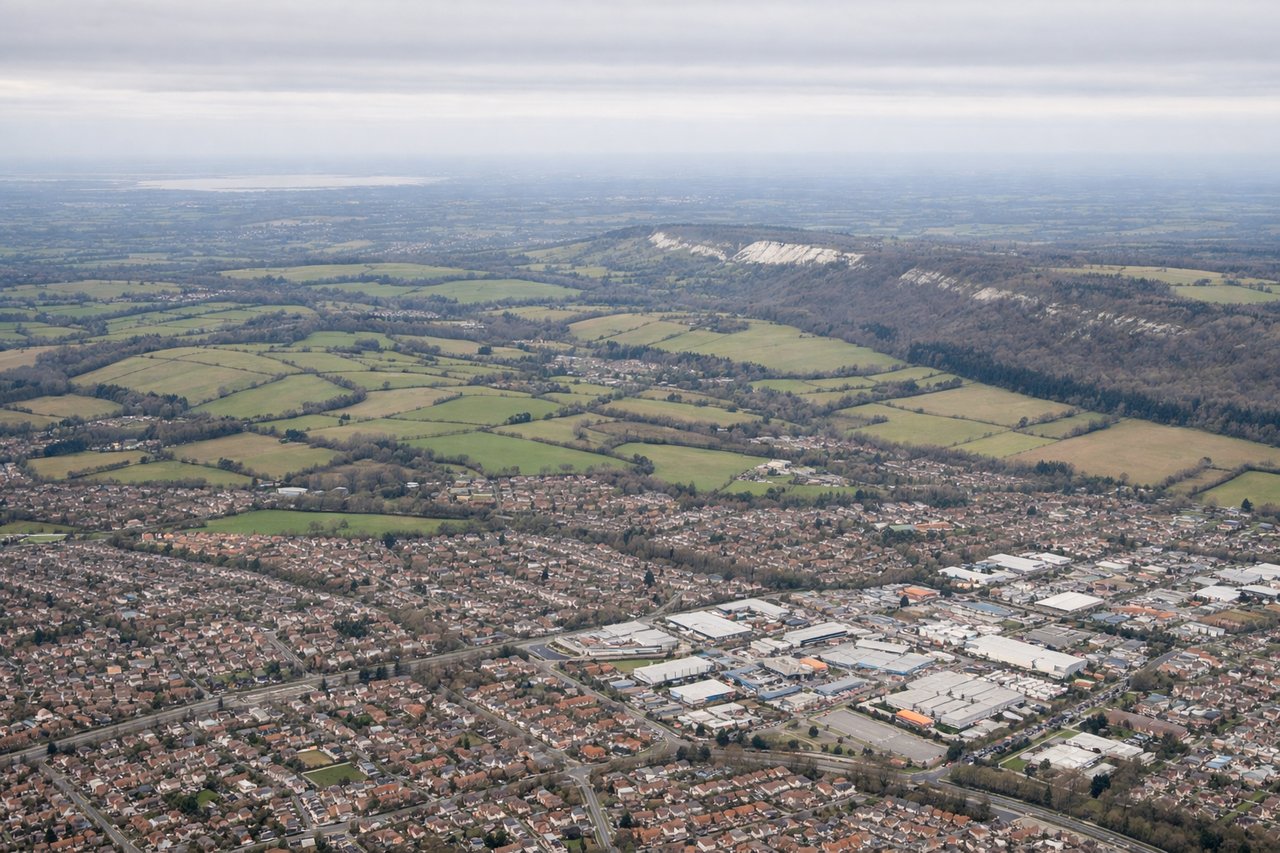
Takeoff from LGW
LEFTWestbound departure (runway 26) from Gatwick provides views of the Surrey Hills and South Downs as the aircraft climbs. The right side faces inland toward flat terrain. Left offers immediate topographic relief and green countryside.

Landing at MNL
RIGHTApproach to Manila typically uses runway 06 (northeast-facing) during the Amihan season (Nov–Apr) or runway 24 (southwest-facing) during Habagat (Jun–Sep). Regardless of runway, the right side captures Manila Bay's distinctive geography—the bay itself, Corregidor Island, and the Bataan Peninsula. The left side faces the inland Laguna de Bay and flat Luzon plains.
Landmarks on this routeAll landmarks →
Will your flight be in sunlight?
Pick a date and time in the Sun Map to watch the sun move across your whole flight.
About This Route
Which side of the plane should I sit on flying from Gatwick (LGW) to Ninoy Aquino International (MNL)?
Sit on the Right side of the plane for the best views on flights from London to Manila. The right side scores higher (3.0 vs 2.5) because the landing sequence dominates the scenic experience on this 13+ hour flight. Manila Bay, Corregidor Island, and the Bataan Peninsula provide distinctive geographic features and visual variety during descent and approach—the most memorable part of the journey. The takeoff from Gatwick is comparable on both sides, but the landing's dramatic coastal and island scenery tips the overall advantage to the right.
What can I see during takeoff from Gatwick in London?
During takeoff from Gatwick (LGW), sit on the Left side for the best views. Westbound departure (runway 26) from Gatwick provides views of the Surrey Hills and South Downs as the aircraft climbs. The right side faces inland toward flat terrain. Left offers immediate topographic relief and green countryside. Notable sights include: Surrey Hills, South Downs ridge, River Mole valley, Gatwick's surrounding patchwork farmland.
What can I see when landing at Ninoy Aquino International in Manila?
When landing at Ninoy Aquino International (MNL), sit on the Right side for the best views. Approach to Manila typically uses runway 06 (northeast-facing) during the Amihan season (Nov–Apr) or runway 24 (southwest-facing) during Habagat (Jun–Sep). Regardless of runway, the right side captures Manila Bay's distinctive geography—the bay itself, Corregidor Island, and the Bataan Peninsula. The left side faces the inland Laguna de Bay and flat Luzon plains. Notable sights include: Manila Bay, Corregidor Island, Bataan Peninsula, Cavite coastline.
How long is the flight from London to Manila?
The flight from Gatwick (LGW) to Ninoy Aquino International (MNL) takes about 13 hours 15 minutes. The shortest flight path between them is 6,693 miles (10,771 km); winds and air traffic control usually add a few percent.
What does the London to Manila flight path pass over?
The flight crosses the English Channel, continental Europe (Alps visible on clear days during northbound routing), the Mediterranean, Middle East (Persian Gulf, Strait of Hormuz), Arabian Sea, Indian Ocean, and approaches Southeast Asia via the South China Sea. Depending on routing and winds, passengers may see the Pyrenees, Alps, or Carpathians during the European leg; the Suez Canal or Red Sea during the Middle East leg; and the Andaman Sea before reaching the Philippines. The cruise phase is predominantly ocean (5+ hours over open water), limiting scenic variety to cloud patterns and occasional shipping traffic.