Manila to London is 6,693 miles (10,771 km), a flight of about 11 hours 15 minutes.
Right side scores higher (3.5 vs 2.5) because it captures more visually distinctive scenery on both ends of the flight. The Manila departure offers coastal and urban drama, while the Gatwick approach delivers the classic English countryside aesthetic with rolling terrain and patchwork farmland. The left side is dominated by extended ocean crossing with minimal landmarks, limiting its appeal despite some coastal interest near both airports.
Flight Path
The flight path crosses the Arabian Sea, the Arabian Peninsula (Oman/UAE coastline visible on southern routing), the Persian Gulf region, Iraq/Syria, the Mediterranean (Cyprus, southern Turkey coast), and southern Europe (Greece, Italy, Alps visible to the north on descent). The most dramatic midpoint feature is the transition from Middle Eastern desert to Mediterranean blue water and European terrain. The Alps appear as a distant ridge during the final descent phase over France/Switzerland.
Great circle distance and headings ›.jpg?width=600)


.jpeg?width=600)
Phase by phase
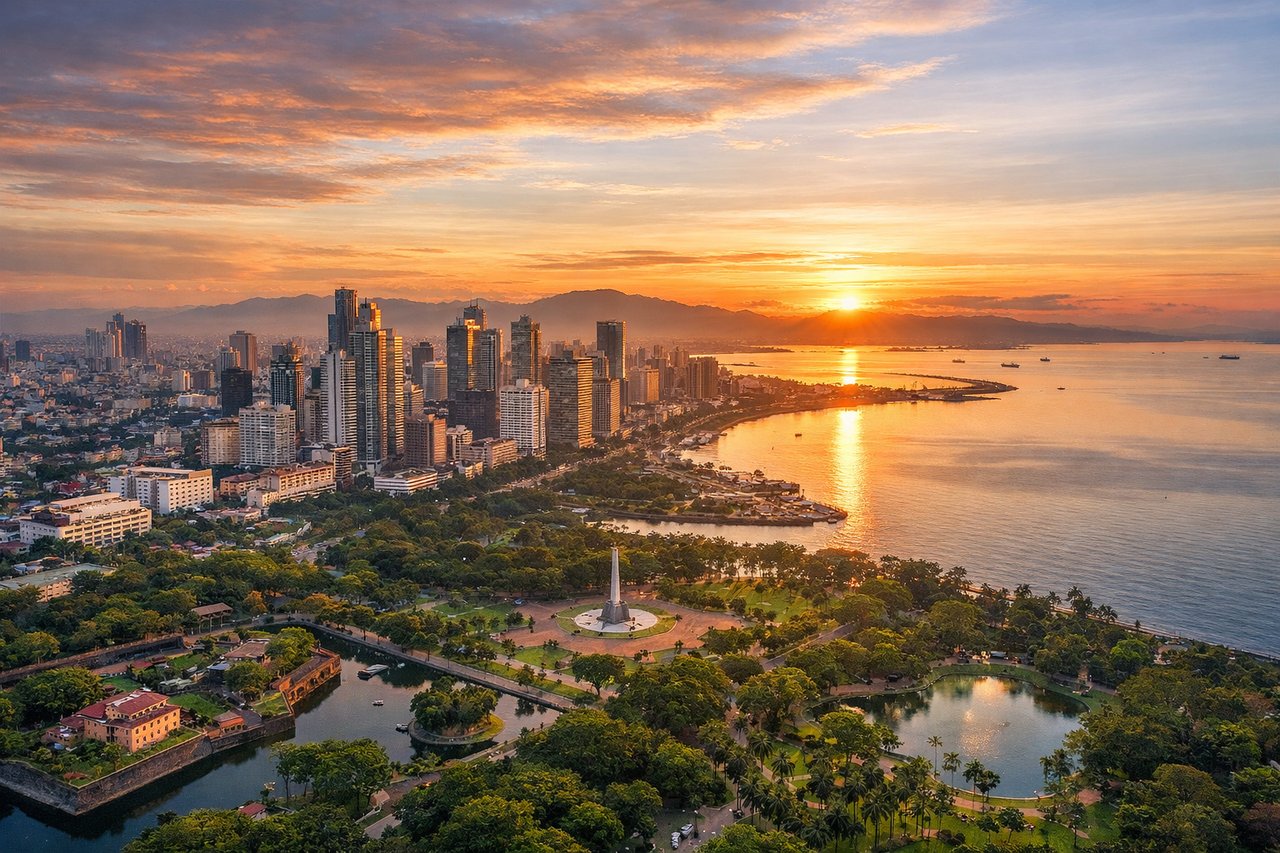
Takeoff from MNL
RIGHTRight side captures Manila Bay and the coastal urban sprawl of Metro Manila during departure. Depending on runway direction (06 or 24), the aircraft climbs over either the northeast or southwest approaches to the bay, offering views of Luzon's coastline, harbor infrastructure, and the transition from urban to rural terrain.
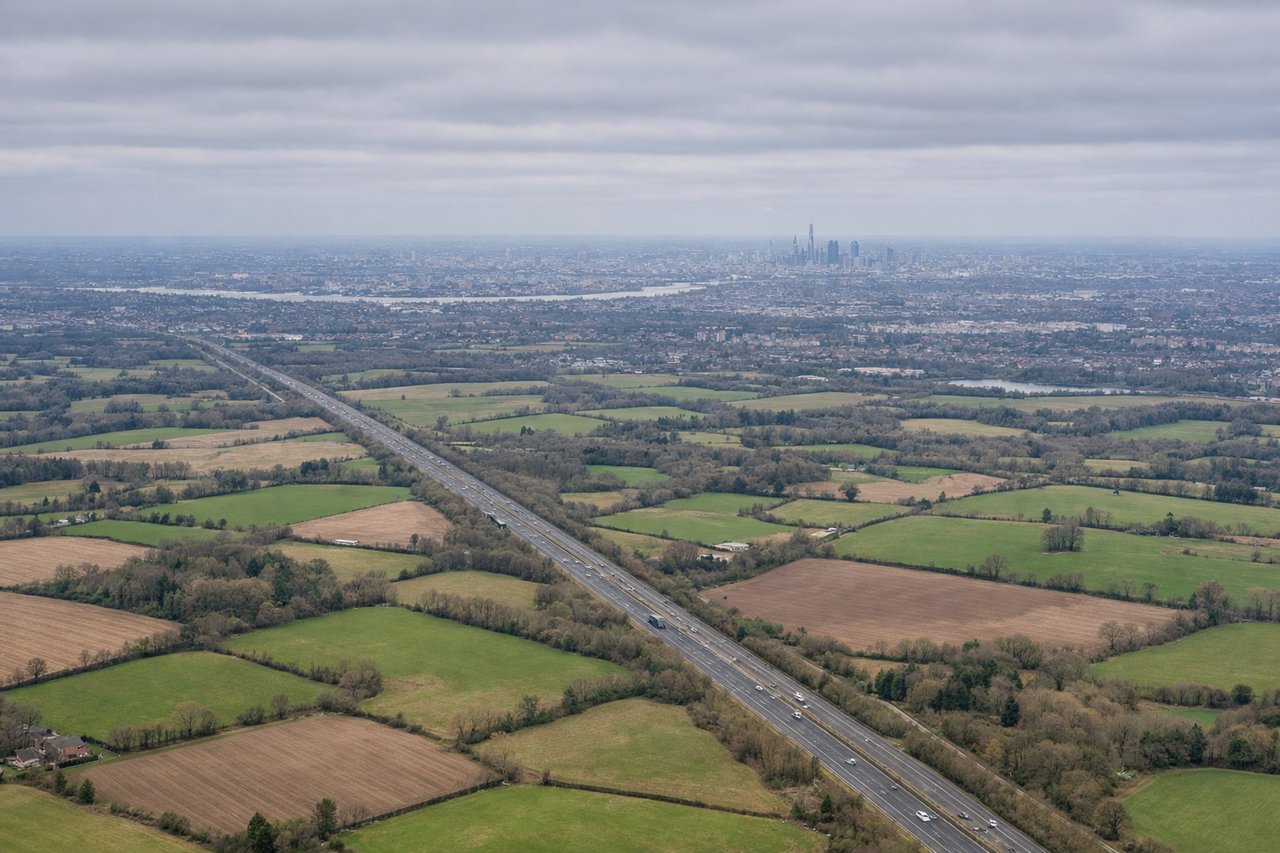
Landing at LGW
RIGHTRight side offers superior approach scenery into Gatwick. The descent path typically brings aircraft over southern England's rolling countryside, the North Downs, and the approach to the airport from the south or southwest. This side captures the patchwork of English farmland, the Thames valley, and suburban London's sprawl before landing.
Landmarks on this routeAll landmarks →
Will your flight be in sunlight?
Pick a date and time in the Sun Map to watch the sun move across your whole flight.
About This Route
Which side of the plane should I sit on flying from Ninoy Aquino International (MNL) to Gatwick (LGW)?
Sit on the Right side of the plane for the best views on flights from Manila to London. Right side scores higher (3.5 vs 2.5) because it captures more visually distinctive scenery on both ends of the flight. The Manila departure offers coastal and urban drama, while the Gatwick approach delivers the classic English countryside aesthetic with rolling terrain and patchwork farmland. The left side is dominated by extended ocean crossing with minimal landmarks, limiting its appeal despite some coastal interest near both airports.
What can I see during takeoff from Ninoy Aquino International in Manila?
During takeoff from Ninoy Aquino International (MNL), sit on the Right side for the best views. Right side captures Manila Bay and the coastal urban sprawl of Metro Manila during departure. Depending on runway direction (06 or 24), the aircraft climbs over either the northeast or southwest approaches to the bay, offering views of Luzon's coastline, harbor infrastructure, and the transition from urban to rural terrain. Notable sights include: Manila Bay, Laguna de Bay (visible to the south), Corregidor Island (if runway 24 departure), Metro Manila urban grid.
What can I see when landing at Gatwick in London?
When landing at Gatwick (LGW), sit on the Right side for the best views. Right side offers superior approach scenery into Gatwick. The descent path typically brings aircraft over southern England's rolling countryside, the North Downs, and the approach to the airport from the south or southwest. This side captures the patchwork of English farmland, the Thames valley, and suburban London's sprawl before landing. Notable sights include: North Downs ridge, Thames valley, Surrey/Sussex countryside patchwork, Gatwick airport complex and surrounding towns (Crawley, Horley).
How long is the flight from Manila to London?
The flight from Ninoy Aquino International (MNL) to Gatwick (LGW) takes about 11 hours 15 minutes. The shortest flight path between them is 6,693 miles (10,771 km); winds and air traffic control usually add a few percent.
What does the Manila to London flight path pass over?
The flight path crosses the Arabian Sea, the Arabian Peninsula (Oman/UAE coastline visible on southern routing), the Persian Gulf region, Iraq/Syria, the Mediterranean (Cyprus, southern Turkey coast), and southern Europe (Greece, Italy, Alps visible to the north on descent). The most dramatic midpoint feature is the transition from Middle Eastern desert to Mediterranean blue water and European terrain. The Alps appear as a distant ridge during the final descent phase over France/Switzerland.