While takeoff offers pleasant English countryside views, the landing approach into Shanghai provides far more dramatic and visually distinctive scenery—the Yangtze Delta's intricate waterway network and Shanghai's striking urban landscape are significantly more impressive than the gradual English climb-out.
Flight Path
The flight path crosses the Alps (visible from altitude as a snow-capped ridge, typically 2-3 hours into flight), the Mediterranean coast near southern France or northern Italy, then continues over the Middle East crossing the Caspian Sea region, the Iranian plateau, and eventually the Himalayas and Tibetan plateau before descending into the Yangtze River Delta. The Himalayas are particularly striking if visible during daylight hours, appearing as a massive north-south mountain barrier with snow-covered peaks. The Caspian Sea appears as a large inland body of water. Crossing into China, the terrain transitions from high plateau to increasingly populated river valleys.
Great circle distance and headings ›.jpeg?width=600)

.jpg?width=600)

Phase by phase
Takeoff from LGW
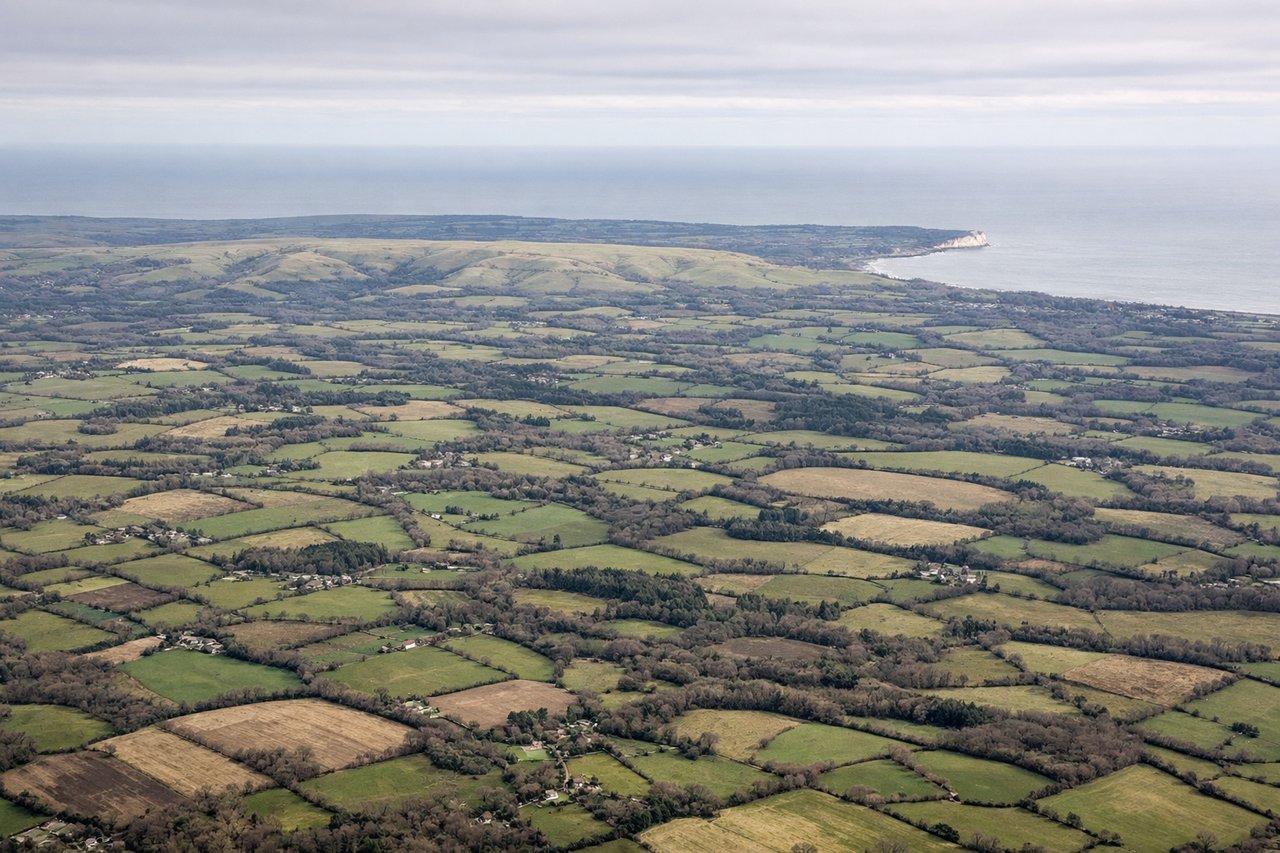
RIGHTRight-side seats offer views of the North Downs and the Weald as the aircraft climbs southeastward from Gatwick. You'll see the patchwork of Surrey and Sussex farmland, with occasional glimpses of the South Downs ridge in the distance.
Landing at SHA
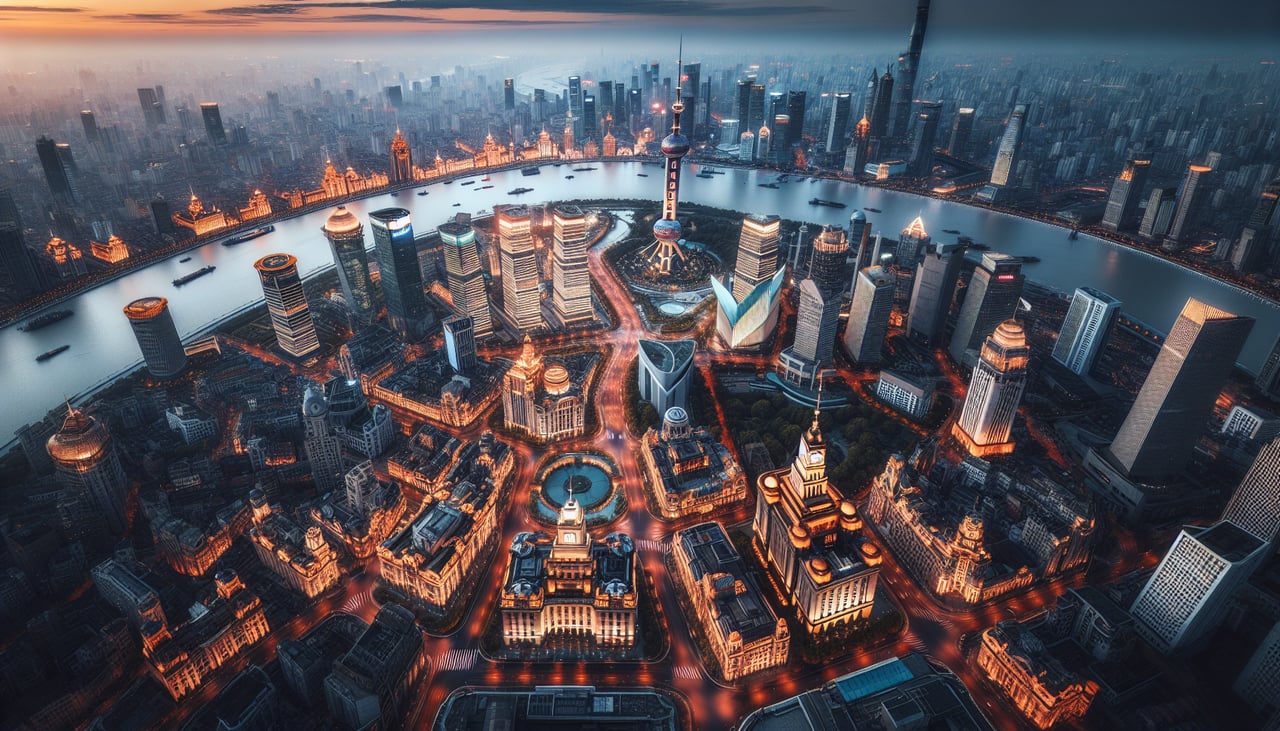
LEFTLeft-side seats provide excellent views during descent into Shanghai. You'll see the Yangtze River Delta's extensive network of waterways, agricultural plains, and the gradual transition to urban Shanghai with its distinctive high-rise clusters along the Huangpu River.
Landmarks on this routeAll landmarks →
Will your flight be in sunlight?
See exactly which side of the plane gets sun and shade at your departure time.
About This Route
Which side of the plane should I sit on flying from Gatwick (LGW) to Hongqiao International (SHA)?
Sit on the Left side of the plane for the best views on flights from London to Shanghai. While takeoff offers pleasant English countryside views, the landing approach into Shanghai provides far more dramatic and visually distinctive scenery—the Yangtze Delta's intricate waterway network and Shanghai's striking urban landscape are significantly more impressive than the gradual English climb-out.
What can I see during takeoff from Gatwick in London?
During takeoff from Gatwick (LGW), sit on the Right side for the best views. Right-side seats offer views of the North Downs and the Weald as the aircraft climbs southeastward from Gatwick. You'll see the patchwork of Surrey and Sussex farmland, with occasional glimpses of the South Downs ridge in the distance. Notable sights include: North Downs (chalk ridge running east-west), Weald (forested lowland between North and South Downs), South Downs (distant southern ridge), English Channel (visible on clearer days as a thin line on the horizon).
What can I see when landing at Hongqiao International in Shanghai?
When landing at Hongqiao International (SHA), sit on the Left side for the best views. Left-side seats provide excellent views during descent into Shanghai. You'll see the Yangtze River Delta's extensive network of waterways, agricultural plains, and the gradual transition to urban Shanghai with its distinctive high-rise clusters along the Huangpu River. Notable sights include: Yangtze River Delta (vast network of rivers, canals, and ponds), Huangpu River (dark ribbon curving through Shanghai), Pudong district (forest of skyscrapers on east bank), agricultural plains (geometric patchwork of fields and water).
How long is the flight from London to Shanghai?
The flight from Gatwick (LGW) to Hongqiao International (SHA) takes Approximately 11-12 hours (direct routing eastbound).
What does the London to Shanghai flight path pass over?
The flight path crosses the Alps (visible from altitude as a snow-capped ridge, typically 2-3 hours into flight), the Mediterranean coast near southern France or northern Italy, then continues over the Middle East crossing the Caspian Sea region, the Iranian plateau, and eventually the Himalayas and Tibetan plateau before descending into the Yangtze River Delta. The Himalayas are particularly striking if visible during daylight hours, appearing as a massive north-south mountain barrier with snow-covered peaks. The Caspian Sea appears as a large inland body of water. Crossing into China, the terrain transitions from high plateau to increasingly populated river valleys.