The right side has the better bookends: the Pudong skyline and Yangtze estuary at takeoff and a view toward London on approach. Cruise is mostly Gobi, Siberian plain and northern European lowlands on both sides, so the two ends decide it. The left side gets a slightly better look at southern mountain ranges but loses on the airport views.
Flown SHA to LGW? Did we get it right?
Flight Path
Shanghai to London is 5,731 miles (9,223 km), a flight of about 11 hours 45 minutes.
The great-circle route heads north-northwest from the Yangtze delta over the North China Plain, then crosses Inner Mongolia and the Gobi. It continues over Mongolia or southern Siberia, possibly with the Altai ranges visible on the left side, and over the West Siberian Plain. Later features include the Ural Mountains, the Russian plains, the Baltic region, northern Germany and the Low Countries before the descent over the English Channel coast and southeast England. The exact routing depends on current airspace restrictions.
Great circle distance and headings ›


Phase by phase
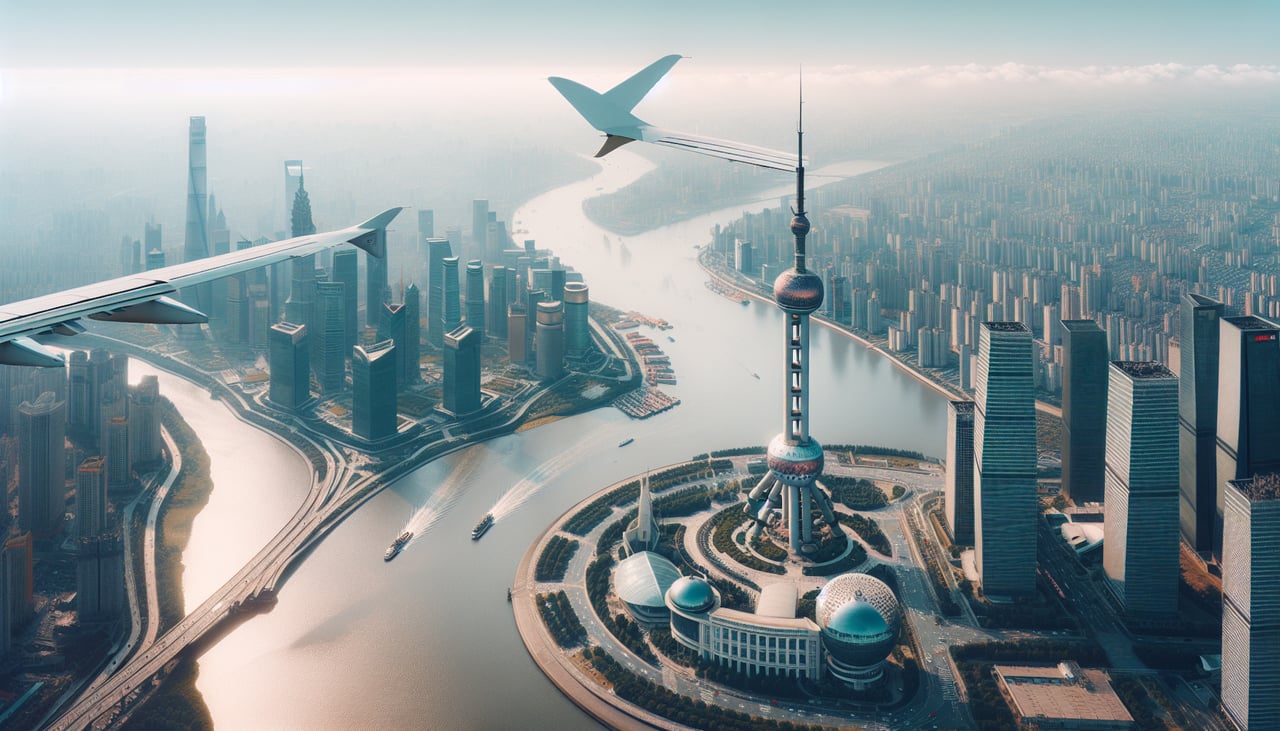
Takeoff from SHA
RIGHTWith the usual northbound departure from Hongqiao, the right side looks east over Shanghai's urban core and the Huangpu River toward the Pudong skyline. The Yangtze estuary and Chongming Island sit beyond it. The left side mostly sees the flat, canal-laced suburbs and farmland of Jiangsu.
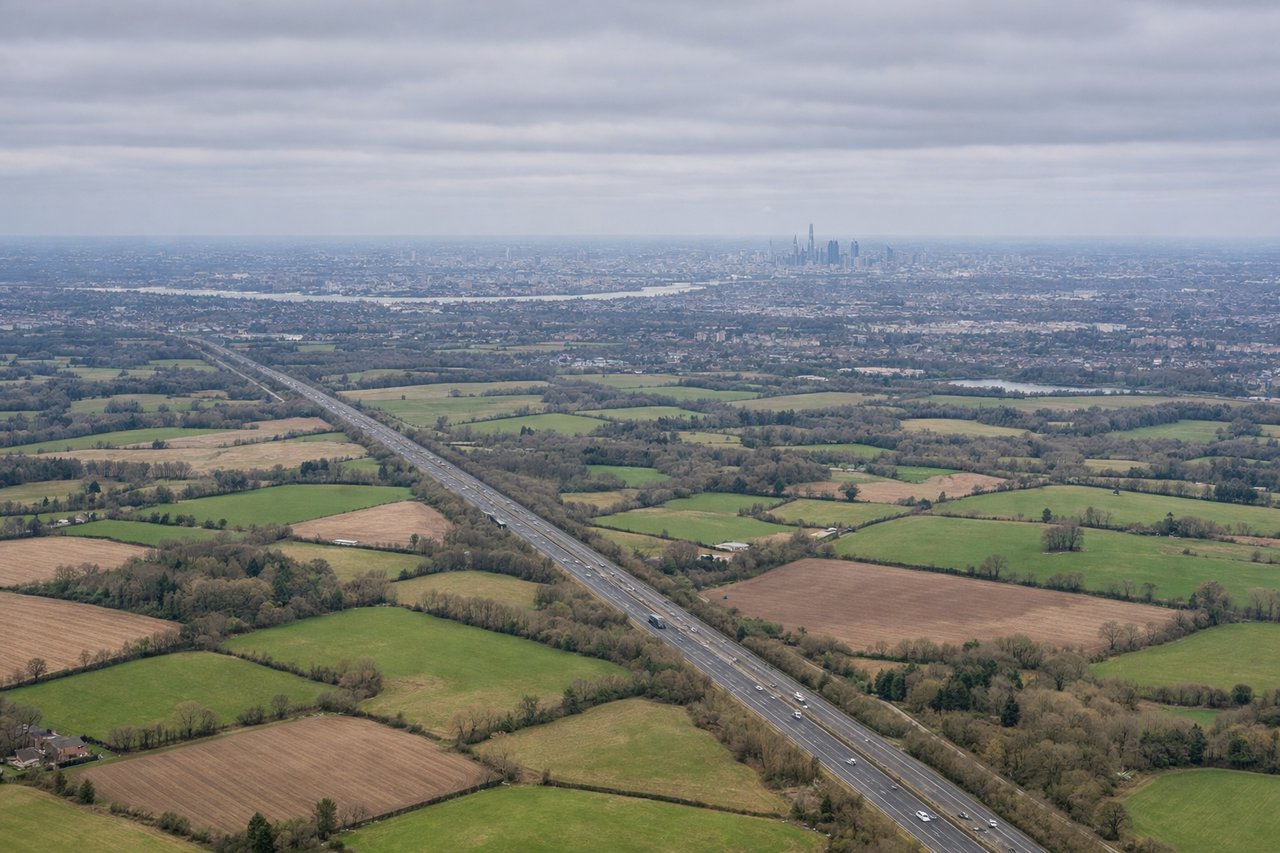
Landing at LGW
RIGHTOn the usual westbound Gatwick approach (runway 26L), the aircraft passes south of London. Right-side windows look north over the Surrey and Kent countryside toward the North Downs and the distant London skyline. The left side faces the South Downs and Sussex farmland, which are pleasant but less distinctive.
Will your flight be in sunlight?
Pick a date and time in the Sun Map to watch the sun move across your whole flight.
About This Route
Which side of the plane should I sit on flying from Hongqiao International (SHA) to Gatwick (LGW)?
Sit on the Right side of the plane for the best views on flights from Shanghai to London. The right side has the better bookends: the Pudong skyline and Yangtze estuary at takeoff and a view toward London on approach. Cruise is mostly Gobi, Siberian plain and northern European lowlands on both sides, so the two ends decide it. The left side gets a slightly better look at southern mountain ranges but loses on the airport views.
What can I see during takeoff from Hongqiao International in Shanghai?
During takeoff from Hongqiao International (SHA), sit on the Right side for the best views. With the usual northbound departure from Hongqiao, the right side looks east over Shanghai's urban core and the Huangpu River toward the Pudong skyline. The Yangtze estuary and Chongming Island sit beyond it. The left side mostly sees the flat, canal-laced suburbs and farmland of Jiangsu. Notable sights include: Pudong skyline (Oriental Pearl Tower, Shanghai Tower), Huangpu River, Yangtze estuary, Chongming Island.
What can I see when landing at Gatwick in London?
When landing at Gatwick (LGW), sit on the Right side for the best views. On the usual westbound Gatwick approach (runway 26L), the aircraft passes south of London. Right-side windows look north over the Surrey and Kent countryside toward the North Downs and the distant London skyline. The left side faces the South Downs and Sussex farmland, which are pleasant but less distinctive. Notable sights include: London skyline (The Shard, Canary Wharf) in the distance, North Downs ridge, Redhill and Reigate, the M25 corridor.
How long is the flight from Shanghai to London?
The flight from Hongqiao International (SHA) to Gatwick (LGW) takes about 11 hours 45 minutes. The shortest flight path between them is 5,731 miles (9,223 km); winds and air traffic control usually add a few percent.
What does the Shanghai to London flight path pass over?
The great-circle route heads north-northwest from the Yangtze delta over the North China Plain, then crosses Inner Mongolia and the Gobi. It continues over Mongolia or southern Siberia, possibly with the Altai ranges visible on the left side, and over the West Siberian Plain. Later features include the Ural Mountains, the Russian plains, the Baltic region, northern Germany and the Low Countries before the descent over the English Channel coast and southeast England. The exact routing depends on current airspace restrictions.