London to Tirana is 1,158 miles (1,864 km), a flight of about 2 hours 55 minutes.
While the right side wins at Gatwick departure, the left side delivers the more sustained and dramatic scenery across the flight: the Alps crossing over Austria and Slovenia, the Adriatic coast of Croatia and Montenegro visible in the distance, and the spectacular Albanian mountain approach into Tirana. Left side is the stronger choice for the full journey.
Flight Path
The route tracks southeast across France, crossing the Alps over or near the Mont Blanc massif and the Swiss-Italian border region, then descends over northern Italy and the Po Valley. The Adriatic Sea is crossed at a relatively narrow point near the heel of Italy or further south. The Albanian coastline and the Dinaric Alps of Montenegro and Albania are visible on descent, with the Shkumbin river valley and the central Albanian mountain ranges providing dramatic terrain before the flat coastal approach to Tirana.
Great circle distance and headings ›.jpeg?width=600)


Phase by phase
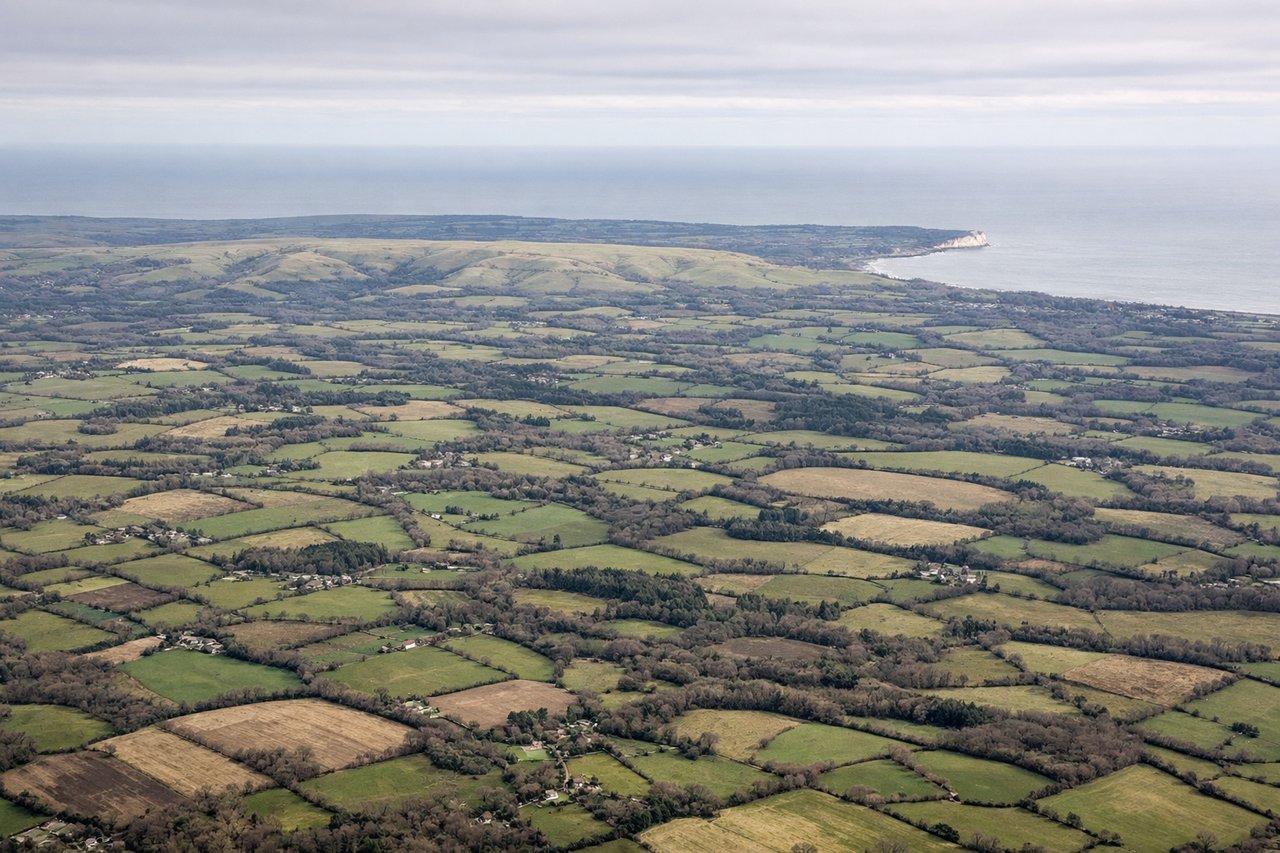
Takeoff from LGW
RIGHTGatwick's main runway 08R/26L runs roughly east-west. Departures heading southeast toward the continent typically swing right after takeoff, giving right-side passengers views over the Surrey Hills and the English Channel coast near Eastbourne and Beachy Head. Left side faces inland toward Crawley and the Weald.
Landing at TIA
LEFTTirana Rinas airport sits just west of the city, with the main runway oriented roughly north-south (runway 17/35). Approaches from the north on runway 17 bring aircraft over the Albanian Alps and then descend toward the Adriatic coastal plain. Left-side seats face east toward Mount Dajti and the hills framing Tirana, while right side looks west toward the flat Adriatic lowlands. The left side offers the more dramatic terrain.
Landmarks on this routeAll landmarks →
Will your flight be in sunlight?
Pick a date and time in the Sun Map to watch the sun move across your whole flight.
About This Route
Which side of the plane should I sit on flying from Gatwick (LGW) to Tirana Rinas (TIA)?
Sit on the Left side of the plane for the best views on flights from London to Tirana. While the right side wins at Gatwick departure, the left side delivers the more sustained and dramatic scenery across the flight: the Alps crossing over Austria and Slovenia, the Adriatic coast of Croatia and Montenegro visible in the distance, and the spectacular Albanian mountain approach into Tirana. Left side is the stronger choice for the full journey.
What can I see during takeoff from Gatwick in London?
During takeoff from Gatwick (LGW), sit on the Right side for the best views. Gatwick's main runway 08R/26L runs roughly east-west. Departures heading southeast toward the continent typically swing right after takeoff, giving right-side passengers views over the Surrey Hills and the English Channel coast near Eastbourne and Beachy Head. Left side faces inland toward Crawley and the Weald. Notable sights include: Beachy Head chalk cliffs, English Channel, Surrey Hills AONB, South Downs ridge.
What can I see when landing at Tirana Rinas in Tirana?
When landing at Tirana Rinas (TIA), sit on the Left side for the best views. Tirana Rinas airport sits just west of the city, with the main runway oriented roughly north-south (runway 17/35). Approaches from the north on runway 17 bring aircraft over the Albanian Alps and then descend toward the Adriatic coastal plain. Left-side seats face east toward Mount Dajti and the hills framing Tirana, while right side looks west toward the flat Adriatic lowlands. The left side offers the more dramatic terrain. Notable sights include: Mount Dajti (1,613m), Tirana city center, Lake Tirana, Albanian Alps foothills.
How long is the flight from London to Tirana?
The flight from Gatwick (LGW) to Tirana Rinas (TIA) takes about 2 hours 55 minutes. The shortest flight path between them is 1,158 miles (1,864 km); winds and air traffic control usually add a few percent.
What does the London to Tirana flight path pass over?
The route tracks southeast across France, crossing the Alps over or near the Mont Blanc massif and the Swiss-Italian border region, then descends over northern Italy and the Po Valley. The Adriatic Sea is crossed at a relatively narrow point near the heel of Italy or further south. The Albanian coastline and the Dinaric Alps of Montenegro and Albania are visible on descent, with the Shkumbin river valley and the central Albanian mountain ranges providing dramatic terrain before the flat coastal approach to Tirana.