The left side strings together the best moments of the whole flight: the turn over the South Downs and Channel coast at departure, a distant view of the Alpine foothills and Sardinia's coastline during the French/Mediterranean cruise, and the Gulf of Tunis with Sidi Bou Said on arrival. The right side offers mostly the flatter Massif Central and open sea with fewer distinctive features.
Flown LGW to TUN? Did we get it right?
Flight Path
London to Tunis is 1,113 miles (1,791 km), a flight of about 2 hours 55 minutes.
Rhône valley and the western fringe of the French Alps, the western Mediterranean Sea, and the coast of Sardinia passed just to the east of the flight path before the final approach over the Gulf of Tunis
Great circle distance and headings ›


Phase by phase
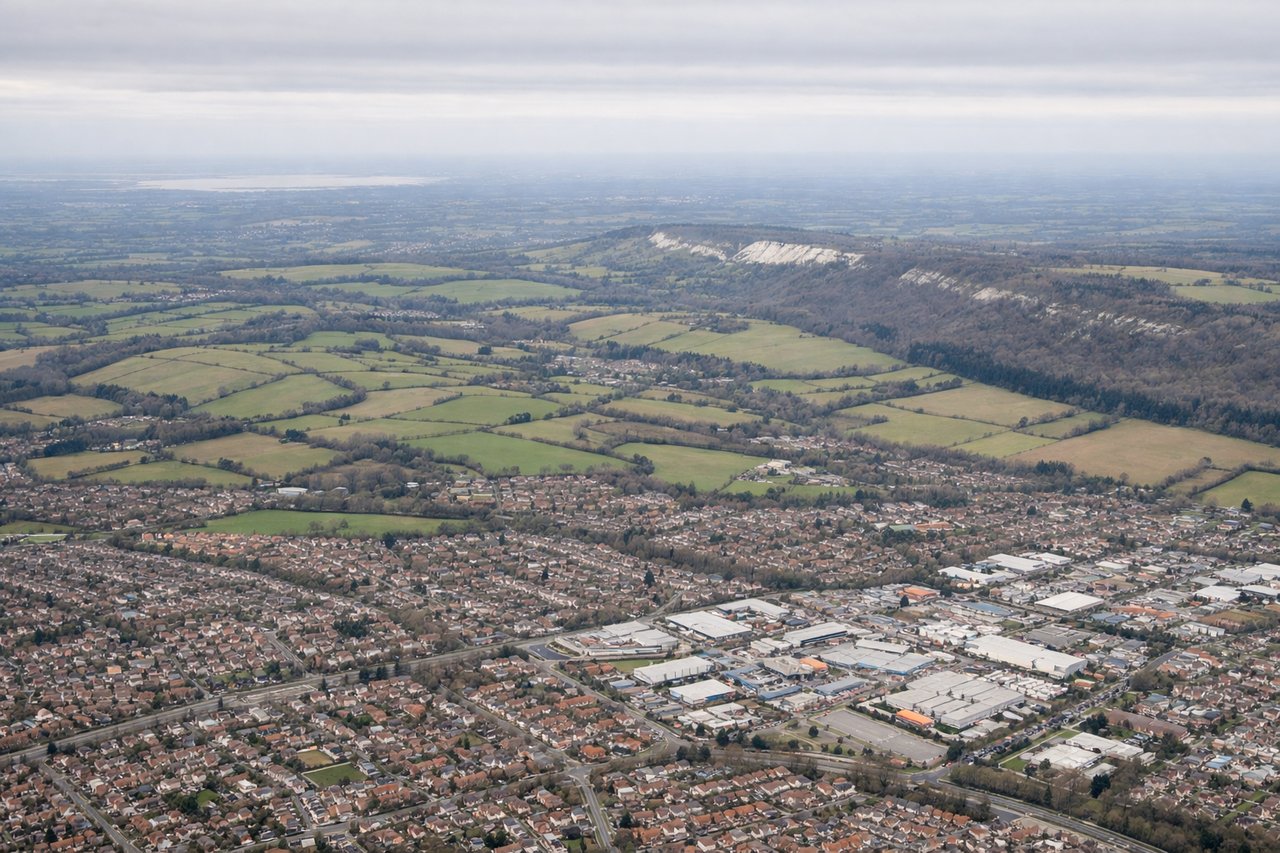
Takeoff from LGW
LEFTGatwick departures to the south typically lift off westward on runway 26 and then bank left toward the south, putting the inside of the turn - and the view straight down onto the South Downs and Sussex coast - on the left side. The right side mostly sees sky during the turn.
Landing at TUN
LEFTArrivals into Tunis from Europe typically descend from the north and land southbound on runway 19, keeping the Gulf of Tunis, Lake of Tunis, and the hillside town of Sidi Bou Said on the left side of the aircraft during the final approach turn.
Will your flight be in sunlight?
Pick a date and time in the Sun Map to watch the sun move across your whole flight.
About This Route
Which side of the plane should I sit on flying from Gatwick (LGW) to Carthage (TUN)?
Sit on the Left side of the plane for the best views on flights from London to Tunis. The left side strings together the best moments of the whole flight: the turn over the South Downs and Channel coast at departure, a distant view of the Alpine foothills and Sardinia's coastline during the French/Mediterranean cruise, and the Gulf of Tunis with Sidi Bou Said on arrival. The right side offers mostly the flatter Massif Central and open sea with fewer distinctive features.
What can I see during takeoff from Gatwick in London?
During takeoff from Gatwick (LGW), sit on the Left side for the best views. Gatwick departures to the south typically lift off westward on runway 26 and then bank left toward the south, putting the inside of the turn - and the view straight down onto the South Downs and Sussex coast - on the left side. The right side mostly sees sky during the turn. Notable sights include: South Downs National Park, Sussex Weald farmland, Brighton coastline, English Channel.
What can I see when landing at Carthage in Tunis?
When landing at Carthage (TUN), sit on the Left side for the best views. Arrivals into Tunis from Europe typically descend from the north and land southbound on runway 19, keeping the Gulf of Tunis, Lake of Tunis, and the hillside town of Sidi Bou Said on the left side of the aircraft during the final approach turn. Notable sights include: Gulf of Tunis, Sidi Bou Said headland, Lake of Tunis, Cape Bon peninsula (distant).
How long is the flight from London to Tunis?
The flight from Gatwick (LGW) to Carthage (TUN) takes about 2 hours 55 minutes. The shortest flight path between them is 1,113 miles (1,791 km); winds and air traffic control usually add a few percent.
What does the London to Tunis flight path pass over?
Rhône valley and the western fringe of the French Alps, the western Mediterranean Sea, and the coast of Sardinia passed just to the east of the flight path before the final approach over the Gulf of Tunis