Tunis to London is 1,113 miles (1,791 km), a flight of about 3 hours 5 minutes.
The left side offers a richer combination of Mediterranean coastline at departure and glimpses of Sardinia and the French Riviera during cruise, giving more consistent scenic variety than the right side, which is mostly open sea until the London approach.
Flight Path
Mediterranean Sea, Sardinia's northern coastline, Corsica in the distance, French Riviera coast near Nice
Great circle distance and headings ›

.jpg?width=600)
.jpeg?width=600)
Phase by phase
Takeoff from TUN
LEFTDeparting TUN on runway 01/19, the climb-out passes directly over the Gulf of Tunis and the Carthage ruins, with Tunis city and the Cap Bon peninsula visible on the left as the aircraft turns north over the coastline.
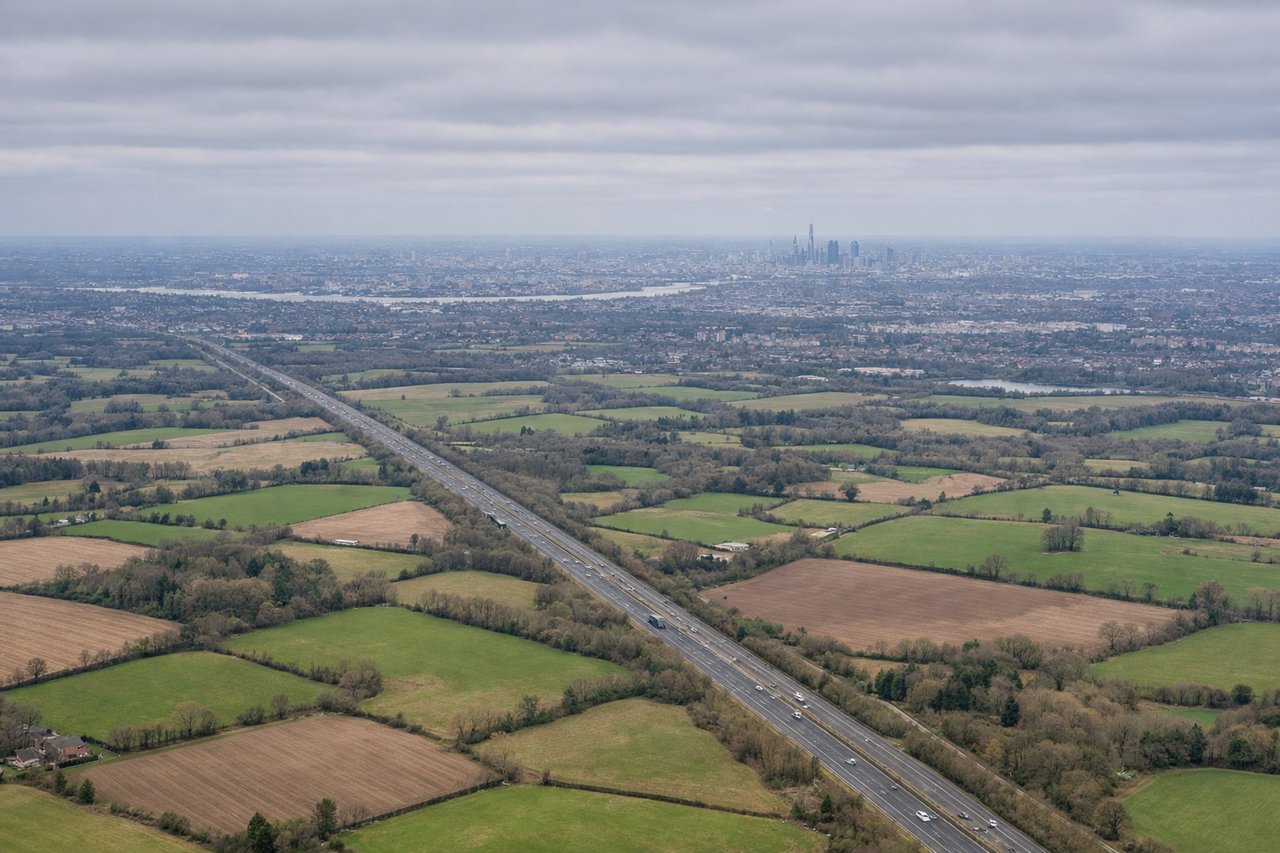
Landing at LGW
RIGHTOn the typical westbound approach into LGW's runway 26, the aircraft descends over Kent and Surrey before turning onto final approach, putting the London skyline and the Thames Estuary on the right side of the cabin.
Landmarks on this routeAll landmarks →
Will your flight be in sunlight?
Pick a date and time in the Sun Map to watch the sun move across your whole flight.
About This Route
Which side of the plane should I sit on flying from Carthage (TUN) to Gatwick (LGW)?
Sit on the Left side of the plane for the best views on flights from Tunis to London. The left side offers a richer combination of Mediterranean coastline at departure and glimpses of Sardinia and the French Riviera during cruise, giving more consistent scenic variety than the right side, which is mostly open sea until the London approach.
What can I see during takeoff from Carthage in Tunis?
During takeoff from Carthage (TUN), sit on the Left side for the best views. Departing TUN on runway 01/19, the climb-out passes directly over the Gulf of Tunis and the Carthage ruins, with Tunis city and the Cap Bon peninsula visible on the left as the aircraft turns north over the coastline. Notable sights include: Gulf of Tunis, Carthage archaeological ruins, Tunis medina skyline, Cap Bon peninsula.
What can I see when landing at Gatwick in London?
When landing at Gatwick (LGW), sit on the Right side for the best views. On the typical westbound approach into LGW's runway 26, the aircraft descends over Kent and Surrey before turning onto final approach, putting the London skyline and the Thames Estuary on the right side of the cabin. Notable sights include: Thames Estuary, London skyline (Shard, City towers), North Downs, Surrey countryside.
How long is the flight from Tunis to London?
The flight from Carthage (TUN) to Gatwick (LGW) takes about 3 hours 5 minutes. The shortest flight path between them is 1,113 miles (1,791 km); winds and air traffic control usually add a few percent.
What does the Tunis to London flight path pass over?
Mediterranean Sea, Sardinia's northern coastline, Corsica in the distance, French Riviera coast near Nice