The cruise phase runs just north of the Alps near Mont Blanc, down over Italy's Adriatic side, and across the Ionian Sea past Cephalonia and the Peloponnese — all visible to the south on the right side — giving it far more landmark density and variety than the left side sees over the Alps' northern approaches and the Balkan interior.
Flight Path
The route crosses northern France, skirts just north of the Alps near Mont Blanc, continues over the Italian peninsula toward the Adriatic near Bari/Brindisi, then crosses the Ionian Sea past Cephalonia and Zakynthos and just south of the Peloponnese before the open-water run to Crete.
Great circle distance and headings ›.jpeg?width=600)


Phase by phase
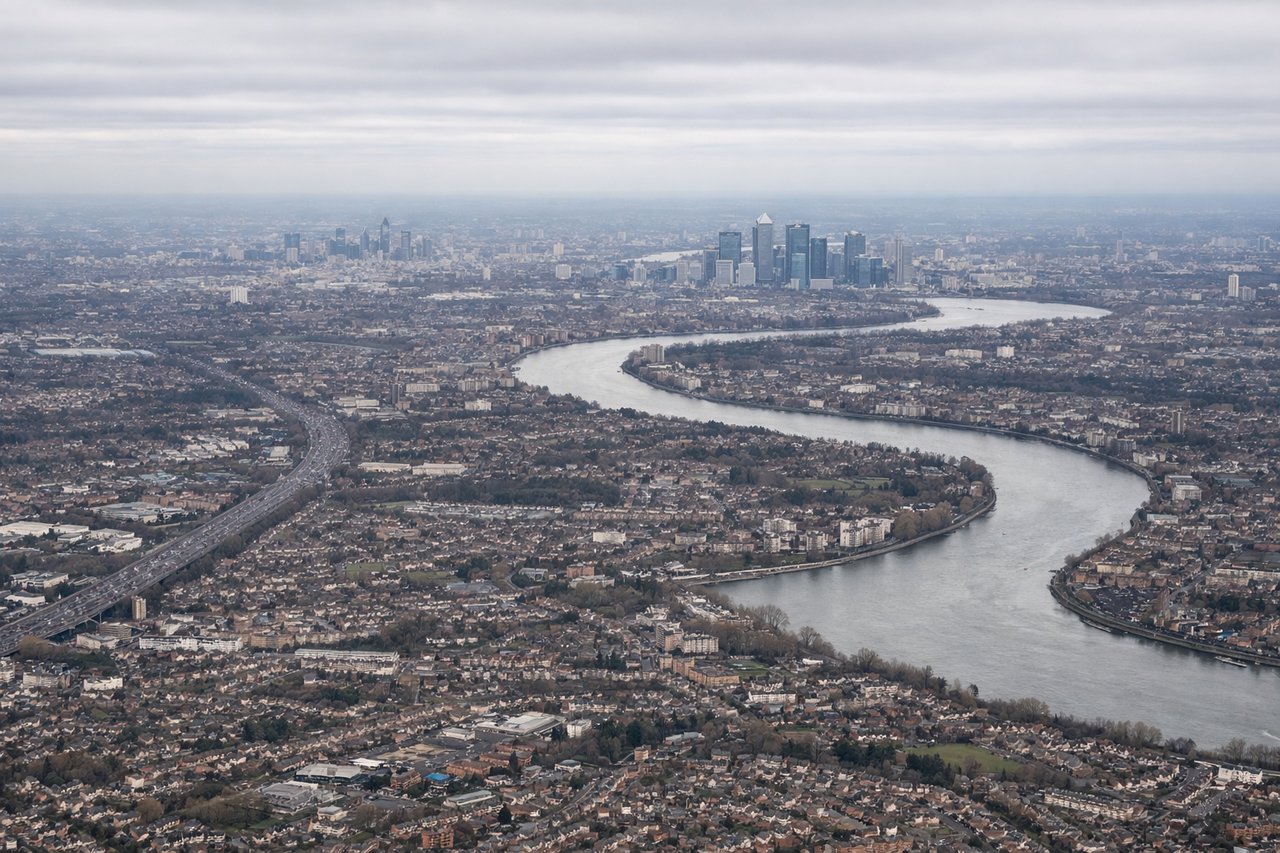
Takeoff from LHR
LEFTWith westerly departures from Heathrow, the aircraft climbs out heading west then banks left onto a southeasterly track toward the Channel, giving left-side passengers a good look at London's skyline falling away to the north, the Surrey/Sussex countryside, and the South Downs before the coast.
Landing at CHQ
LEFTChania's runway 29 approach comes in from the southeast, and as the aircraft aligns for landing, the White Mountains (Lefka Ori) dominate the view to the south on the left side, while the right side only faces open Cretan Sea.
Landmarks on this routeAll landmarks →
Will your flight be in sunlight?
See exactly which side of the plane gets sun and shade at your departure time.
About This Route
Which side of the plane should I sit on flying from Heathrow (LHR) to Souda (CHQ)?
Sit on the Right side of the plane for the best views on flights from London to Chania. The cruise phase runs just north of the Alps near Mont Blanc, down over Italy's Adriatic side, and across the Ionian Sea past Cephalonia and the Peloponnese — all visible to the south on the right side — giving it far more landmark density and variety than the left side sees over the Alps' northern approaches and the Balkan interior.
What can I see during takeoff from Heathrow in London?
During takeoff from Heathrow (LHR), sit on the Left side for the best views. With westerly departures from Heathrow, the aircraft climbs out heading west then banks left onto a southeasterly track toward the Channel, giving left-side passengers a good look at London's skyline falling away to the north, the Surrey/Sussex countryside, and the South Downs before the coast. Notable sights include: London skyline and the Thames, Surrey Hills and the South Downs, the English Channel and Kent coastline near Dover.
What can I see when landing at Souda in Chania?
When landing at Souda (CHQ), sit on the Left side for the best views. Chania's runway 29 approach comes in from the southeast, and as the aircraft aligns for landing, the White Mountains (Lefka Ori) dominate the view to the south on the left side, while the right side only faces open Cretan Sea. Notable sights include: White Mountains (Lefka Ori), Souda Bay, Akrotiri Peninsula, Chania town.
How long is the flight from London to Chania?
The flight from Heathrow (LHR) to Souda (CHQ) takes 3h 50m.
What does the London to Chania flight path pass over?
The route crosses northern France, skirts just north of the Alps near Mont Blanc, continues over the Italian peninsula toward the Adriatic near Bari/Brindisi, then crosses the Ionian Sea past Cephalonia and Zakynthos and just south of the Peloponnese before the open-water run to Crete.