While the takeoff offers interesting London geography from the left, the landing provides more visually dramatic and distinctive scenery—the California coast, Pacific Ocean, and Carlsbad's coastal features are more striking than suburban London. Right-side seats capture the most memorable portion of this transatlantic route.
Flown LHR to CLD? Did we get it right?
Flight Path
London to Carlsbad is 5,453 miles (8,776 km), a flight of about 10 hours 15 minutes.
Transatlantic crossing over the North Atlantic with no visible landmarks; the flight path crosses the Atlantic at approximately 51°N latitude, passing south of Greenland and Iceland. Over the ocean, passengers may see the curvature of Earth and cloud formations at cruise altitude. Upon approaching North America, the Canadian Maritime provinces and New England coastline become visible before the aircraft turns south toward California. The entire westbound crossing spans approximately 3,000 nautical miles of open ocean.
Great circle distance and headings ›


Phase by phase
Takeoff from LHR
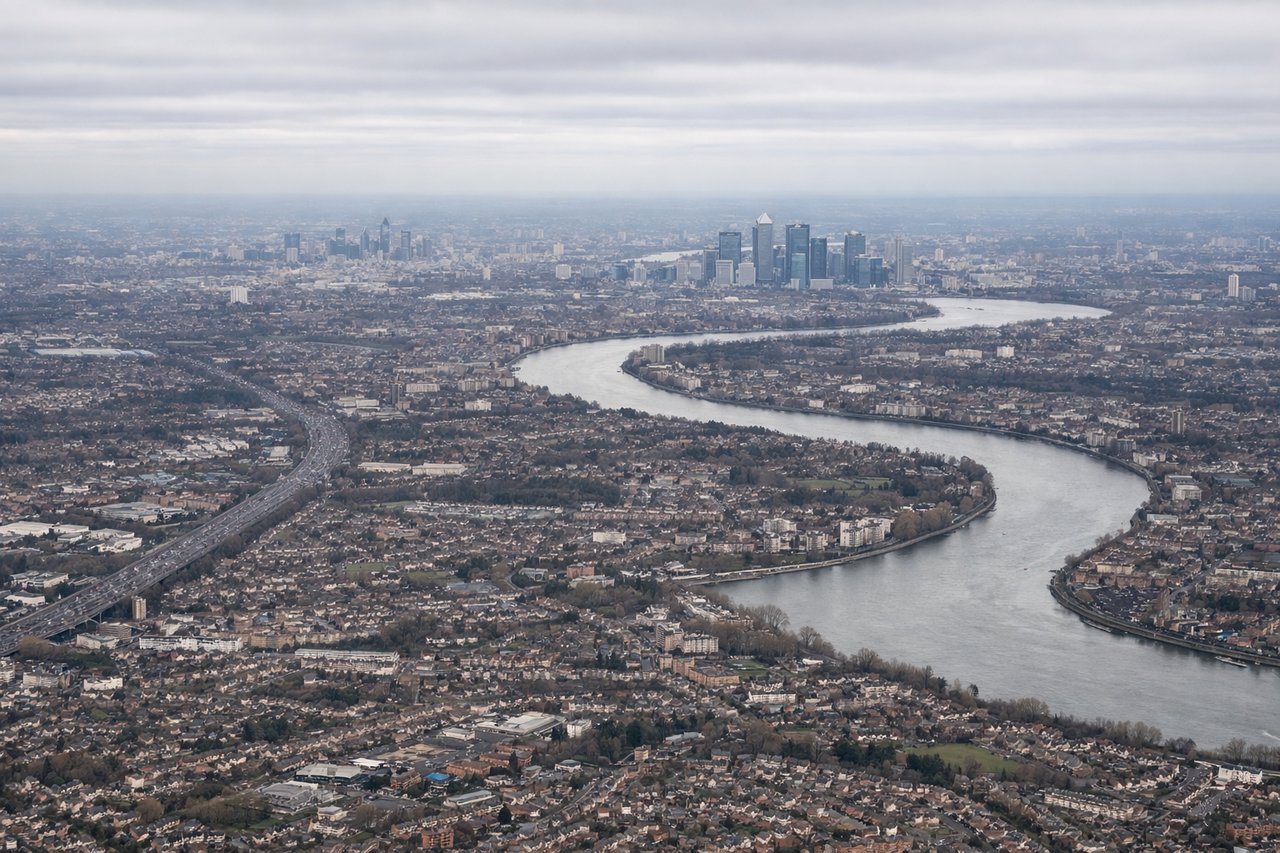
LEFTLeft-side seats offer views of the Thames estuary, London's urban sprawl, and the North Downs as the aircraft climbs westward out of Heathrow. Right-side views are dominated by suburban London and lack distinctive landmarks during the initial climb.
Landing at CLD
RIGHTRight-side seats provide excellent views of the San Diego County coastline, the Pacific Ocean, and Carlsbad's coastal geography during the descent approach. The aircraft descends from the east over inland San Diego County, so right-side passengers see the dramatic transition from inland terrain to the coast.
Will your flight be in sunlight?
Pick a date and time in the Sun Map to watch the sun move across your whole flight.
About This Route
Which side of the plane should I sit on flying from Heathrow (LHR) to McClellan-Palomar Airport (CLD)?
Sit on the Right side of the plane for the best views on flights from London to Carlsbad. While the takeoff offers interesting London geography from the left, the landing provides more visually dramatic and distinctive scenery—the California coast, Pacific Ocean, and Carlsbad's coastal features are more striking than suburban London. Right-side seats capture the most memorable portion of this transatlantic route.
What can I see during takeoff from Heathrow in London?
During takeoff from Heathrow (LHR), sit on the Left side for the best views. Left-side seats offer views of the Thames estuary, London's urban sprawl, and the North Downs as the aircraft climbs westward out of Heathrow. Right-side views are dominated by suburban London and lack distinctive landmarks during the initial climb. Notable sights include: Thames estuary and tidal flats, North Downs escarpment, Greater London urban perimeter, Windsor Castle area (distant).
What can I see when landing at McClellan-Palomar Airport in Carlsbad?
When landing at McClellan-Palomar Airport (CLD), sit on the Right side for the best views. Right-side seats provide excellent views of the San Diego County coastline, the Pacific Ocean, and Carlsbad's coastal geography during the descent approach. The aircraft descends from the east over inland San Diego County, so right-side passengers see the dramatic transition from inland terrain to the coast. Notable sights include: Pacific Ocean and San Diego coastline, Carlsbad beaches and lagoons, San Elijo Lagoon, Palomar Mountain (distant inland).
How long is the flight from London to Carlsbad?
The flight from Heathrow (LHR) to McClellan-Palomar Airport (CLD) takes about 10 hours 15 minutes. The shortest flight path between them is 5,453 miles (8,776 km); winds and air traffic control usually add a few percent.
What does the London to Carlsbad flight path pass over?
Transatlantic crossing over the North Atlantic with no visible landmarks; the flight path crosses the Atlantic at approximately 51°N latitude, passing south of Greenland and Iceland. Over the ocean, passengers may see the curvature of Earth and cloud formations at cruise altitude. Upon approaching North America, the Canadian Maritime provinces and New England coastline become visible before the aircraft turns south toward California. The entire westbound crossing spans approximately 3,000 nautical miles of open ocean.