While the London takeoff favors the right side briefly, the long cruise phase over the Sahara, the Congo Basin, and the Zambezi valley reveals its most distinctive terrain to the left of the flight path, and the coastal approach into Durban reinforces the left side's advantage.
Flown LHR to DUR? Did we get it right?
Flight Path
London to Durban is 5,922 miles (9,531 km), a flight of about 11 hours 15 minutes.
Sahara Desert dunes over Algeria/Niger, the Congo Basin rainforest, and the Zambezi River valley near the Zambia-Zimbabwe border
Great circle distance and headings ›


Phase by phase
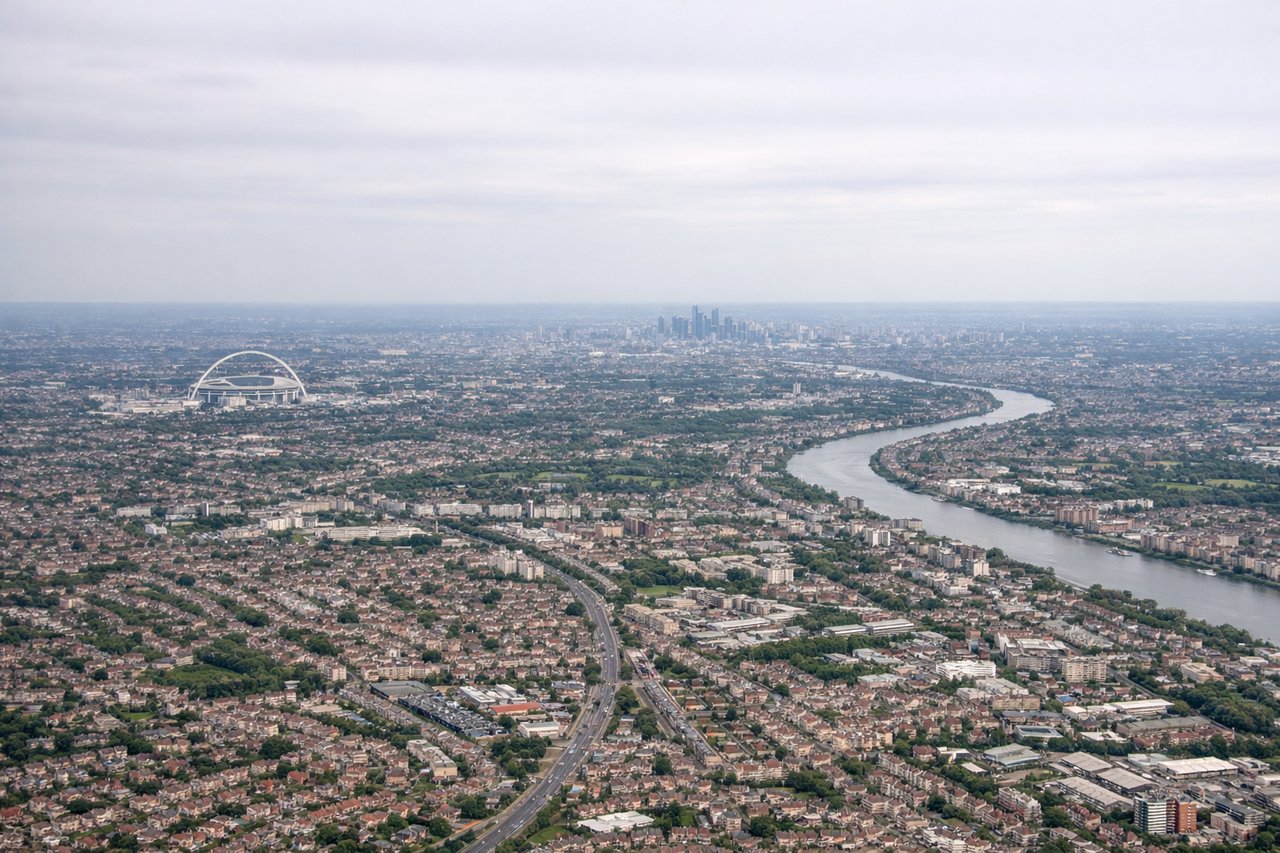
Takeoff from LHR
RIGHTHeathrow's westerly departure typically curves left onto the southbound track toward France, and during that turn London's skyline — the Thames, Canary Wharf, and the City — sweeps into view on the right side of the cabin before the aircraft straightens out over the Channel coast.
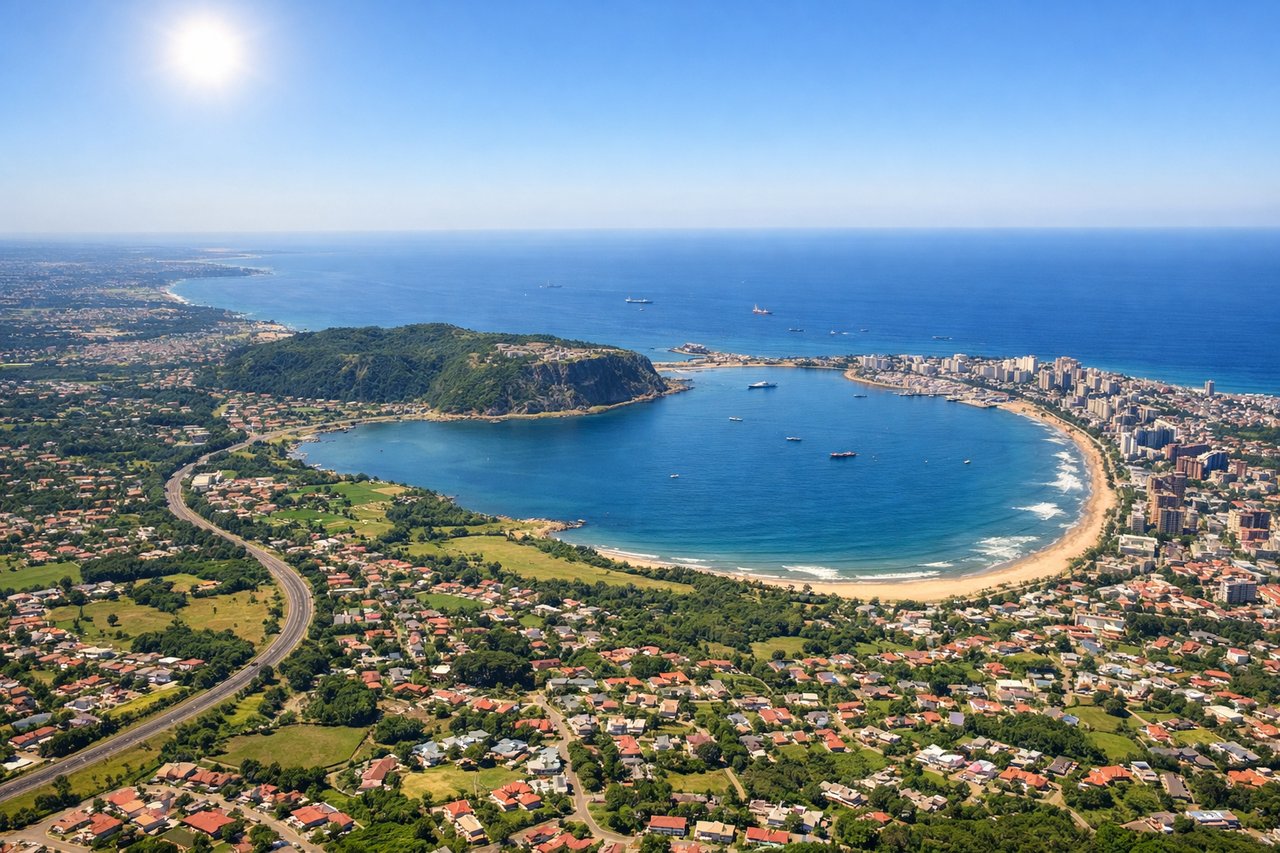
Landing at DUR
LEFTArrivals into Durban commonly track down the Indian Ocean coastline from the north before turning onto final for runway 24, putting the beaches, harbor entrance, and the Bluff headland on the left side of the aircraft during descent.
Will your flight be in sunlight?
Pick a date and time in the Sun Map to watch the sun move across your whole flight.
About This Route
Which side of the plane should I sit on flying from Heathrow (LHR) to King Shaka International Airport (DUR)?
Sit on the Left side of the plane for the best views on flights from London to Durban. While the London takeoff favors the right side briefly, the long cruise phase over the Sahara, the Congo Basin, and the Zambezi valley reveals its most distinctive terrain to the left of the flight path, and the coastal approach into Durban reinforces the left side's advantage.
What can I see during takeoff from Heathrow in London?
During takeoff from Heathrow (LHR), sit on the Right side for the best views. Heathrow's westerly departure typically curves left onto the southbound track toward France, and during that turn London's skyline — the Thames, Canary Wharf, and the City — sweeps into view on the right side of the cabin before the aircraft straightens out over the Channel coast. Notable sights include: River Thames, Canary Wharf/City of London skyline, English Channel coastline.
What can I see when landing at King Shaka International Airport in Durban?
When landing at King Shaka International Airport (DUR), sit on the Left side for the best views. Arrivals into Durban commonly track down the Indian Ocean coastline from the north before turning onto final for runway 24, putting the beaches, harbor entrance, and the Bluff headland on the left side of the aircraft during descent. Notable sights include: Indian Ocean coastline, Durban's Golden Mile beachfront, Durban Harbour entrance, The Bluff headland.
How long is the flight from London to Durban?
The flight from Heathrow (LHR) to King Shaka International Airport (DUR) takes about 11 hours 15 minutes. The shortest flight path between them is 5,922 miles (9,531 km); winds and air traffic control usually add a few percent.
What does the London to Durban flight path pass over?
Sahara Desert dunes over Algeria/Niger, the Congo Basin rainforest, and the Zambezi River valley near the Zambia-Zimbabwe border