The right side wins on both ends of the flight: a brief London river view at departure and, more importantly, a genuinely scenic coastal approach into Faro with the Ria Formosa lagoon and Atlantic shoreline clearly visible, while the left side mostly faces inland plains with little variation.
Flight Path
Bay of Biscay coastline near northern Spain, the plains of western Spain (Extremadura/Castile), and the Portuguese interior before descending toward the Algarve coast
Great circle distance and headings ›.jpeg?width=600)

Phase by phase
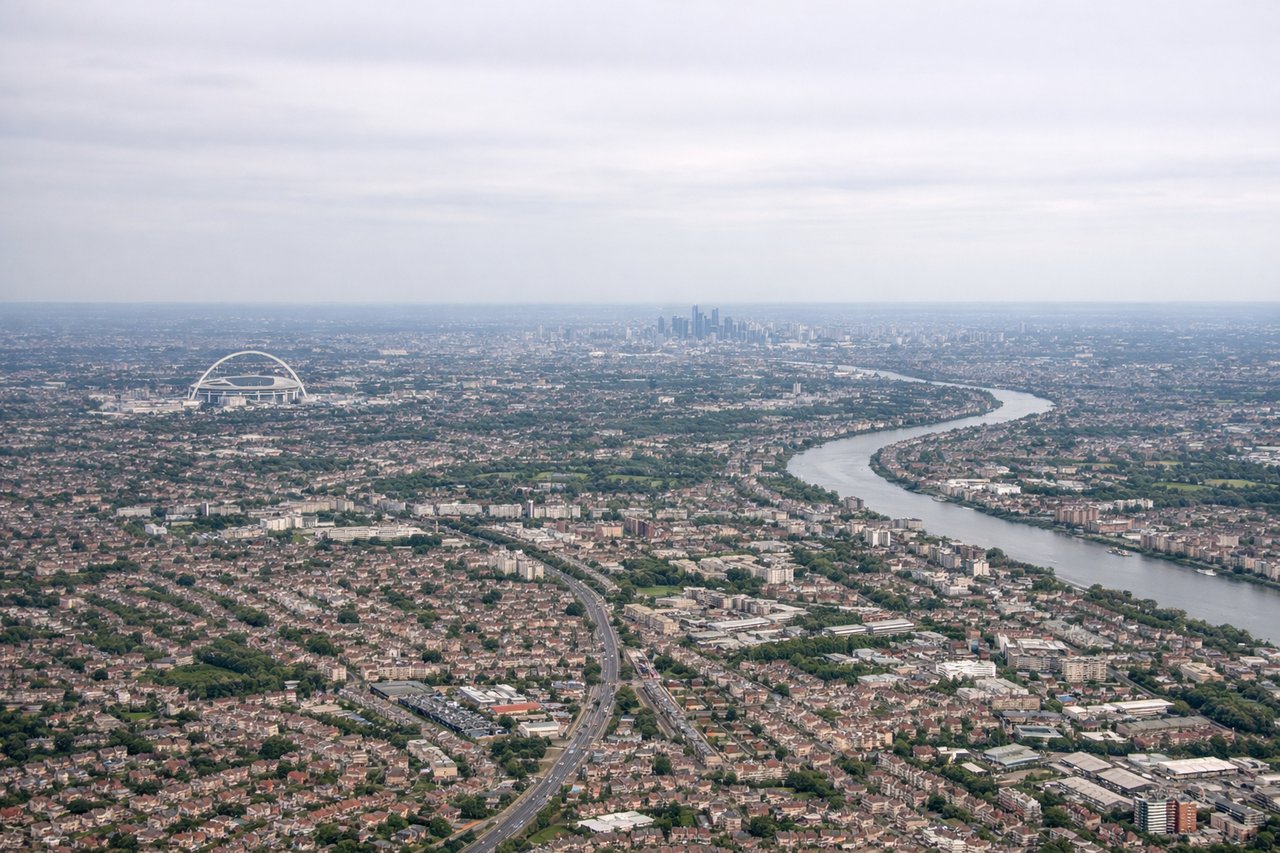
Takeoff from LHR
RIGHTWesterly departures from Heathrow climb out over west London and Berkshire before curving south toward France; the right side gives a brief look back at the Thames valley and London's western suburbs before the turn onto the southbound track over the Channel.
Landing at FAO
RIGHTApproaching Faro on runway 28 from the east, the aircraft tracks along the Algarve coastline before turning onto final, putting the Atlantic Ocean, sandy barrier islands, and the Ria Formosa lagoon system on the right side.
Landmarks on this routeAll landmarks →
Will your flight be in sunlight?
See exactly which side of the plane gets sun and shade at your departure time.
About This Route
Which side of the plane should I sit on flying from Heathrow (LHR) to Faro (FAO)?
Sit on the Right side of the plane for the best views on flights from London to Faro. The right side wins on both ends of the flight: a brief London river view at departure and, more importantly, a genuinely scenic coastal approach into Faro with the Ria Formosa lagoon and Atlantic shoreline clearly visible, while the left side mostly faces inland plains with little variation.
What can I see during takeoff from Heathrow in London?
During takeoff from Heathrow (LHR), sit on the Right side for the best views. Westerly departures from Heathrow climb out over west London and Berkshire before curving south toward France; the right side gives a brief look back at the Thames valley and London's western suburbs before the turn onto the southbound track over the Channel. Notable sights include: Thames river bends near Windsor, Windsor Castle grounds, west London suburbs, Berkshire countryside.
What can I see when landing at Faro in Faro?
When landing at Faro (FAO), sit on the Right side for the best views. Approaching Faro on runway 28 from the east, the aircraft tracks along the Algarve coastline before turning onto final, putting the Atlantic Ocean, sandy barrier islands, and the Ria Formosa lagoon system on the right side. Notable sights include: Ria Formosa lagoon and barrier islands, Faro's old town waterfront, Atlantic coastline, Algarve beaches.
How long is the flight from London to Faro?
The flight from Heathrow (LHR) to Faro (FAO) takes 2h 35m.
What does the London to Faro flight path pass over?
Bay of Biscay coastline near northern Spain, the plains of western Spain (Extremadura/Castile), and the Portuguese interior before descending toward the Algarve coast