Both sides score equally low (1.5) because this is a short 45-minute flight over predominantly flat terrain with minimal dramatic geography. However, right-side seats offer marginally better views during both takeoff (Chiltern Hills and Thames estuary) and landing (Mersey estuary and Manchester backdrop), making it the preferred choice despite the overall modest scenic value of this route.
Flown LHR to LPL? Did we get it right?
Flight Path
London to Liverpool is 163 miles (263 km), a flight of about 45 minutes.
The flight path crosses the Midlands at cruise altitude (around 15,000-20,000 feet), passing over relatively flat agricultural and industrial terrain. The Pennine foothills form a gentle ridge to the east of the direct route. No major mountain ranges, dramatic coastlines, or iconic landmarks are visible during the cruise phase. The landscape is predominantly patchwork farmland, small towns, and industrial areas typical of central England.
Great circle distance and headings ›Phase by phase
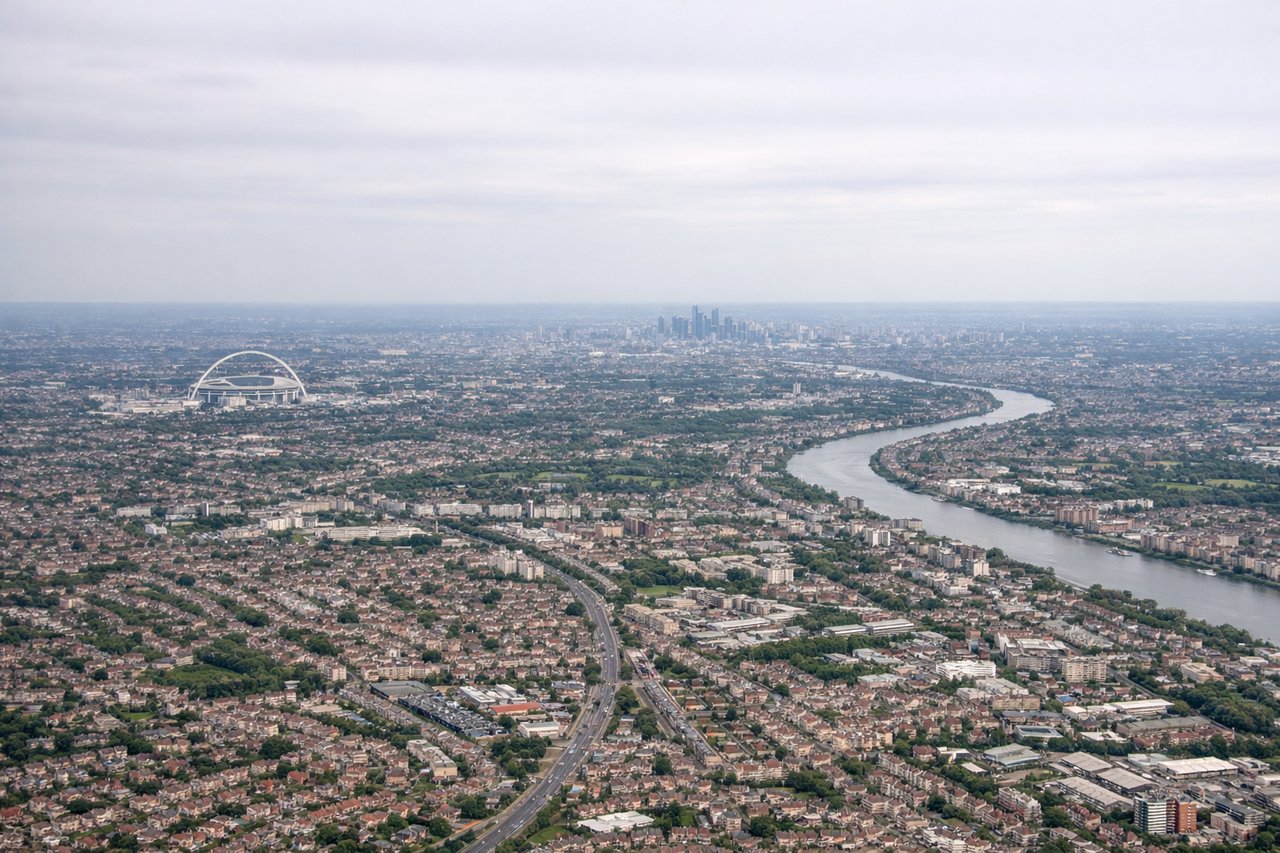
Takeoff from LHR
RIGHTWesterly operations (70% of the time) mean departures roll west on runway 27R/27L. Right-side passengers see the Thames estuary, London's urban sprawl, and the Chiltern Hills receding to the northwest during climb-out. Left side faces southeast toward Kent and the North Sea, offering less dramatic terrain.
Landing at LPL
RIGHTApproach to Liverpool typically uses runway 27 (westerly winds prevail). Right-side passengers descending from the east see the Mersey estuary, Manchester conurbation, and the Pennine foothills. Left side faces the Irish Sea and offers minimal scenic interest during final approach.
Will your flight be in sunlight?
Pick a date and time in the Sun Map to watch the sun move across your whole flight.
About This Route
Which side of the plane should I sit on flying from Heathrow (LHR) to Liverpool (LPL)?
Sit on the Right side of the plane for the best views on flights from London to Liverpool. Both sides score equally low (1.5) because this is a short 45-minute flight over predominantly flat terrain with minimal dramatic geography. However, right-side seats offer marginally better views during both takeoff (Chiltern Hills and Thames estuary) and landing (Mersey estuary and Manchester backdrop), making it the preferred choice despite the overall modest scenic value of this route.
What can I see during takeoff from Heathrow in London?
During takeoff from Heathrow (LHR), sit on the Right side for the best views. Westerly operations (70% of the time) mean departures roll west on runway 27R/27L. Right-side passengers see the Thames estuary, London's urban sprawl, and the Chiltern Hills receding to the northwest during climb-out. Left side faces southeast toward Kent and the North Sea, offering less dramatic terrain. Notable sights include: Thames estuary and London's outer suburbs, Chiltern Hills to the northwest, Windsor area to the west.
What can I see when landing at Liverpool in Liverpool?
When landing at Liverpool (LPL), sit on the Right side for the best views. Approach to Liverpool typically uses runway 27 (westerly winds prevail). Right-side passengers descending from the east see the Mersey estuary, Manchester conurbation, and the Pennine foothills. Left side faces the Irish Sea and offers minimal scenic interest during final approach. Notable sights include: Mersey estuary and docks, Manchester urban area to the southeast, Pennine foothills beyond, Wirral peninsula to the north.
How long is the flight from London to Liverpool?
The flight from Heathrow (LHR) to Liverpool (LPL) takes about 45 minutes. The shortest flight path between them is 163 miles (263 km); winds and air traffic control usually add a few percent.
What does the London to Liverpool flight path pass over?
The flight path crosses the Midlands at cruise altitude (around 15,000-20,000 feet), passing over relatively flat agricultural and industrial terrain. The Pennine foothills form a gentle ridge to the east of the direct route. No major mountain ranges, dramatic coastlines, or iconic landmarks are visible during the cruise phase. The landscape is predominantly patchwork farmland, small towns, and industrial areas typical of central England.